
What Is Die-Cut Tape and Why It Matters for Industrial Applications
Whether you’re in electronics manufacturing, automotive assembly, or industrial labeling, chances are you've heard of die-cut tape—but maybe you're not quite sure what sets it apart or how it’s actually used across so many industries.
This guide will explain what die-cut tape is, why it's so important in modern production lines, and how China-based die-cut tape suppliers are helping global manufacturers reduce waste, save costs, and improve efficiency.
What Exactly Is Die-Cut Tape?
Simply put, die-cut tape refers to pressure-sensitive adhesive tape that’s been pre-cut into custom shapes or sizes using specialized tooling—called dies. Unlike traditional rolls, these custom-cut pieces can be designed to fit into complex assemblies without manual trimming.
There are different cutting methods, like:
-
Flat-bed die cutting (good for short runs or thick material)
-
Rotary die cutting (ideal for high-speed roll processing)
-
Laser die cutting (perfect for ultra-precise and intricate designs)
These methods allow for mass production of parts like:
-
Insulation pads
-
EMI shielding layers
-
Masking tape for PCB processes
-
Sealing tape in smartphones
-
Thermal transfer pads
And you know what? It’s super customizable. Like, insanely so.
Why Die-Cut Tape Matters in Industrial Settings
Let’s be real—industrial production is all about precision, speed, and reliability. Die-cut tape hits all three:
-
Precision
Each tape piece is made to fit exactly where it needs to go—no trimming, no extra cutting, just peel and stick. -
Efficiency
Pre-cut tapes reduce manual labor and speed up production lines. You don’t need to measure and cut each piece on-site. -
Clean Application
Since there's no on-site cutting, there's no dust, burrs, or adhesive mess. That’s huge for electronics or optics. -
Material Savings
By designing the die layout smartly, you minimize scrap. That means lower cost per unit. -
Packaging Flexibility
You can get die-cut tape in rolls, sheets, kiss-cut on liners, or even as individual parts. Whatever fits your line best.
Industries That Rely on Die-Cut Tape
Here’s a peek at where die-cut tape really shines:
-
Electronics & PCB assembly
Used for masking, insulation, bonding, and EMI shielding. -
Automotive sensors & dashboards
Precision-cut tapes help with heat resistance, bonding parts, and vibration damping. -
Medical device manufacturing
Die-cut hypoallergenic tapes help with skin adhesion, device sealing, and sterilization integrity. -
Home appliances & consumer goods
Used to fix LED panels, secure screens, or mount components without visible fasteners. -
Logistics & barcode systems
Die-cut printable tapes support on-demand labeling in warehouses.
Common Materials Used in Die-Cut Tape
You can source die-cut adhesive tapes in a huge variety of materials:
-
PET for transparency and strength
-
Foam tape for cushioning and sealing
-
Kapton/PI for high heat resistance
-
Conductive fabric for EMI applications
-
Double-sided tapes for structural bonding
-
Non-woven fabric for flexible and lightweight parts
Quick note: We seen buyers pick the wrong material pretty often (yes, on accident). That can lead to delamination, weak bonding, or adhesive residue—so always confirm your specs.
Why Work With a China Die-Cut Tape Manufacturer?
If you’re sourcing in bulk, China-based die-cut tape suppliers offer some serious advantages:
-
Custom shape design based on your CAD files or physical samples
-
Factory-direct pricing (no middlemen markup)
-
Fast prototyping for new product launches
-
Material certification (RoHS, UL, REACH available)
-
Flexible order volumes, from samples to mass production
-
OEM/ODM support for branded or private-label tape
Basically, it’s your one-stop shop for all things tape.
Final Thoughts
Die-cut tape isn’t just another packaging product—it’s a smart solution that improves accuracy, productivity, and consistency across industries. Whether you're producing medical devices, automotive sensors, or mobile phones, custom die-cut adhesive solutions can transform your process.
So, if you're planning your next sourcing move, don’t forget to consider die-cut tape—and maybe partner with a reliable China manufacturer and supplier who knows their stuff.
Got questions? Don’t be shy—reach out and let’s talk tape.
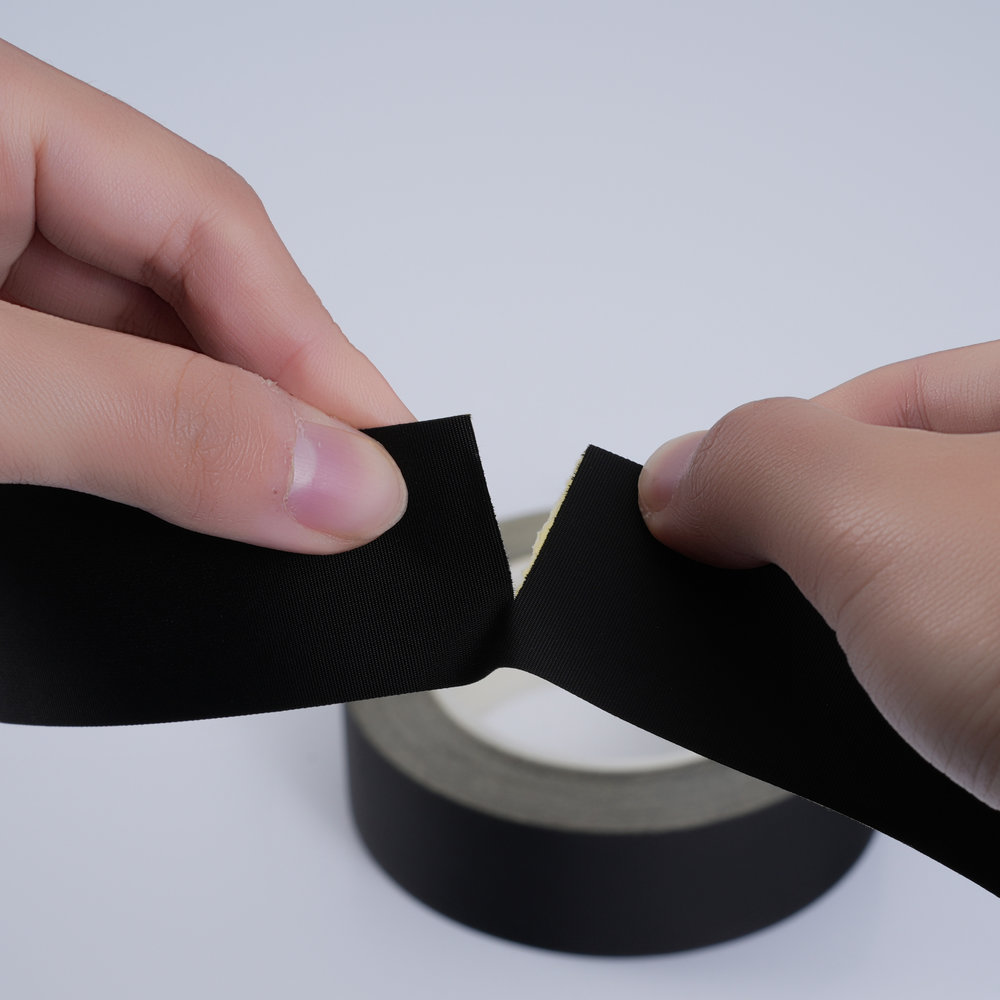 Is Acetate Cloth Tape the Ultimate Flame-Retardant Solution for Electrical Insulation?
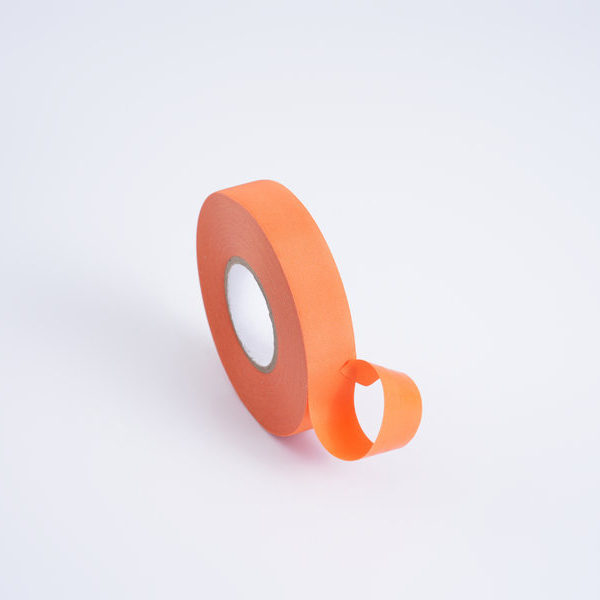 Why High-Temperature Orange Automotive Wire Harness Tape is the Smart Choice for High-Heat Engine Bays
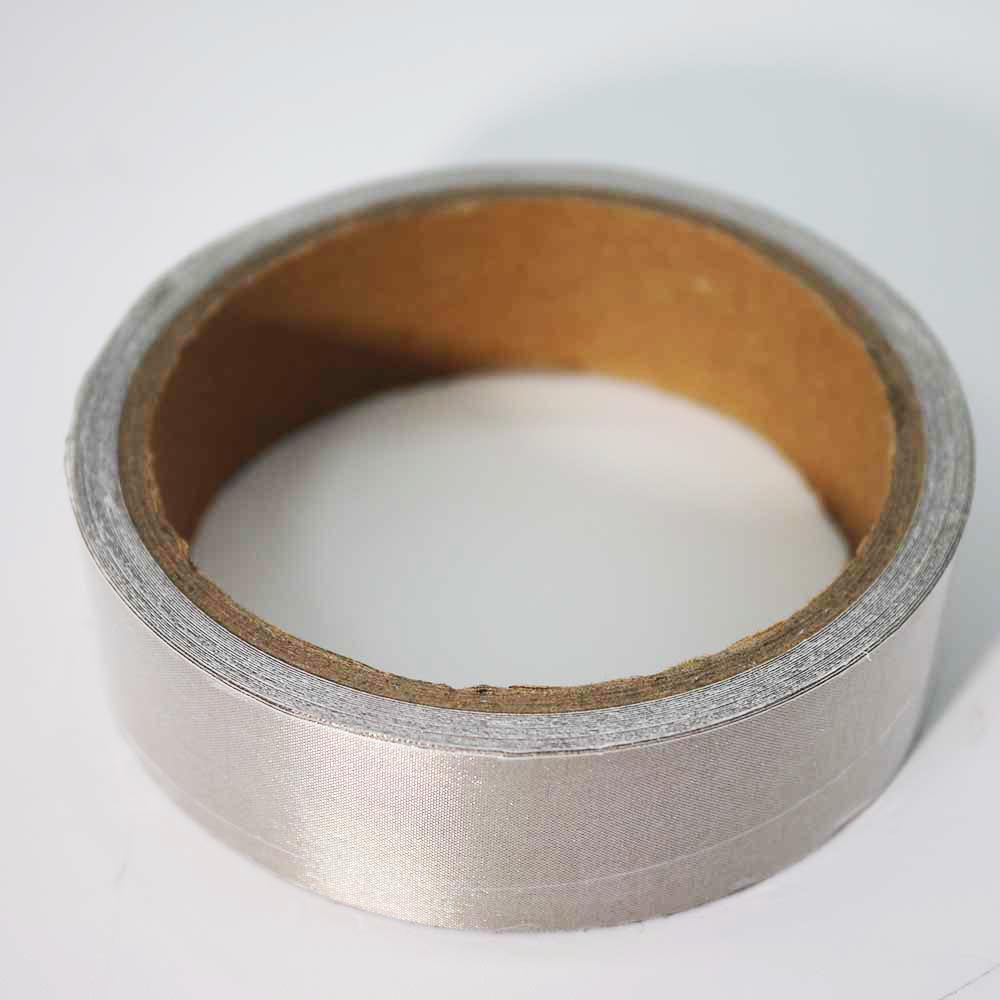 Can Double-Sided Conductive Fabric Tape Replace Traditional EMI Gaskets?
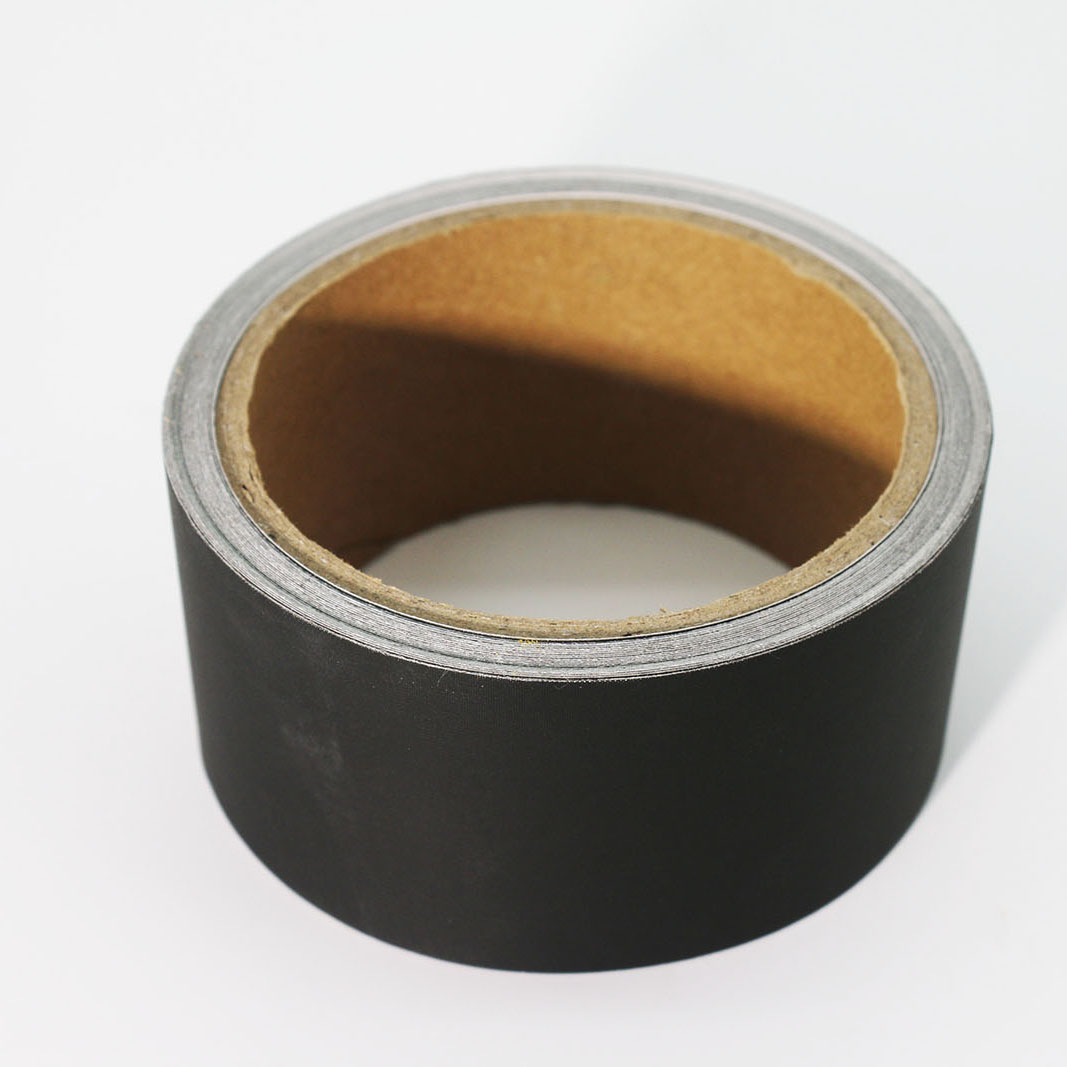 Why Black Conductive Fabric Tape is the Go-To for Light-Sensitive Electronics
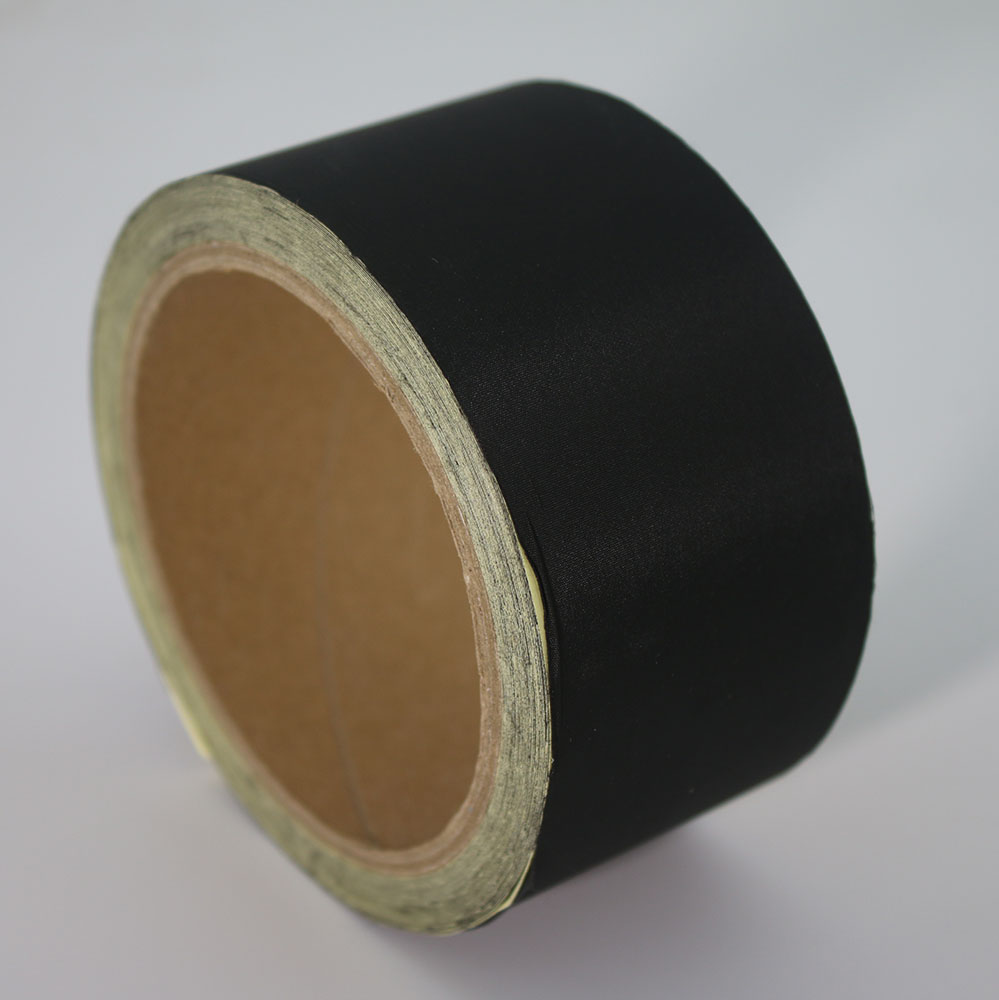 Is Nylon Cloth Tape the Ultimate Heavy-Dust and Abrasion Shield for Industrial Wiring?
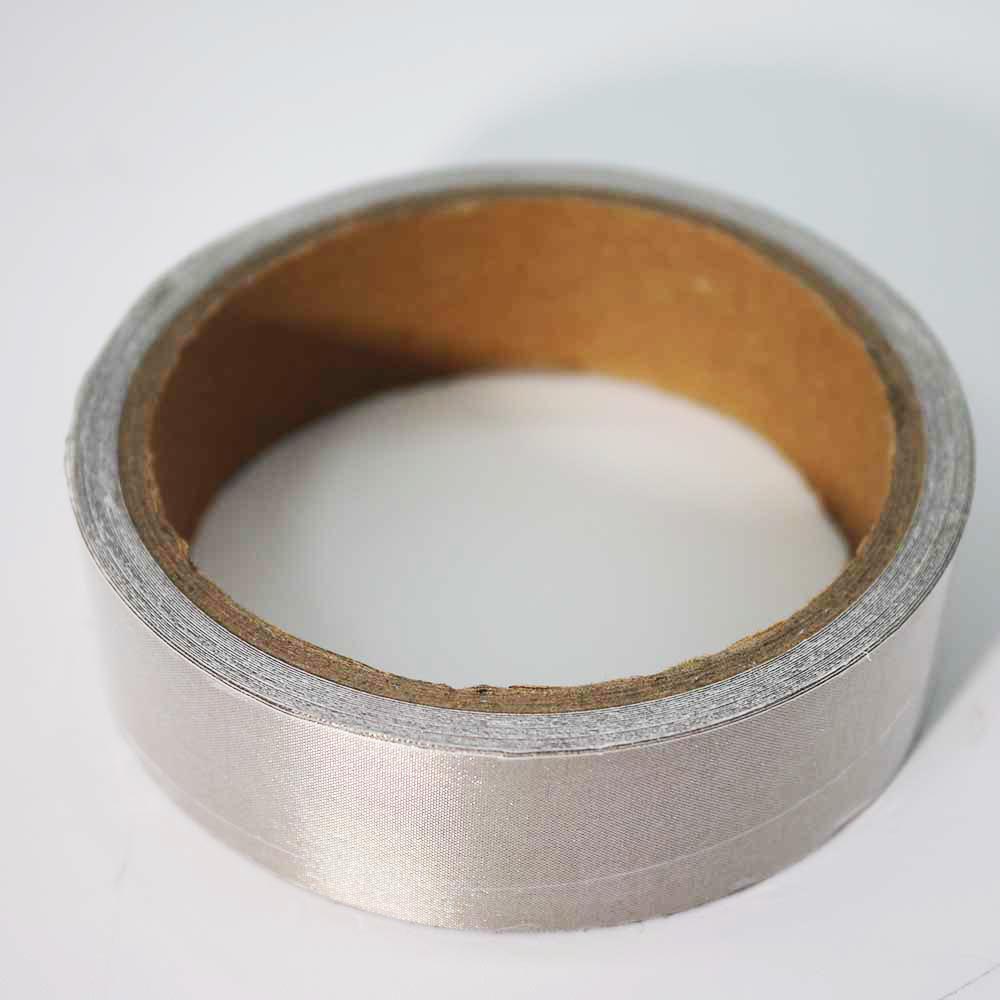 Does Double-Sided Conductive Fabric Tape Actually Solve EMI and ESD Grounding?
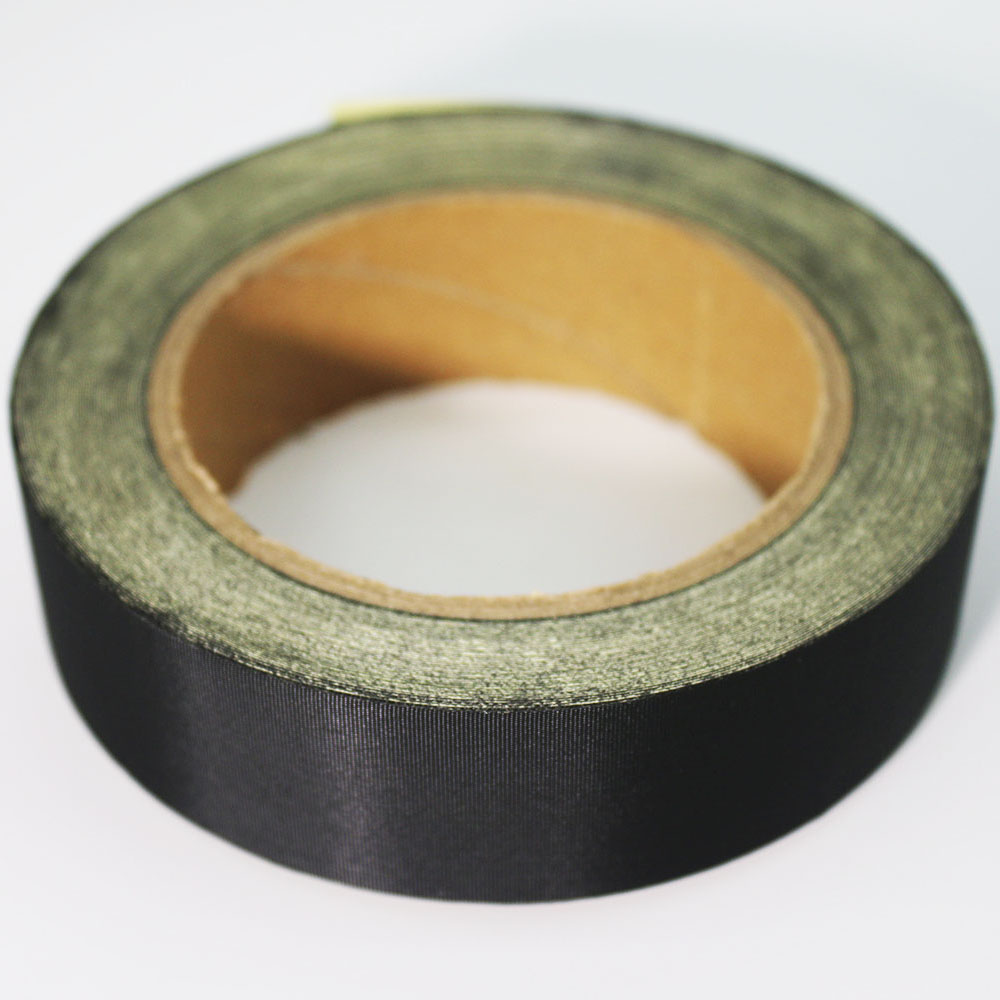 Can Flame Retardant Acetate Cloth Tape Really Stop Electrical Fires?
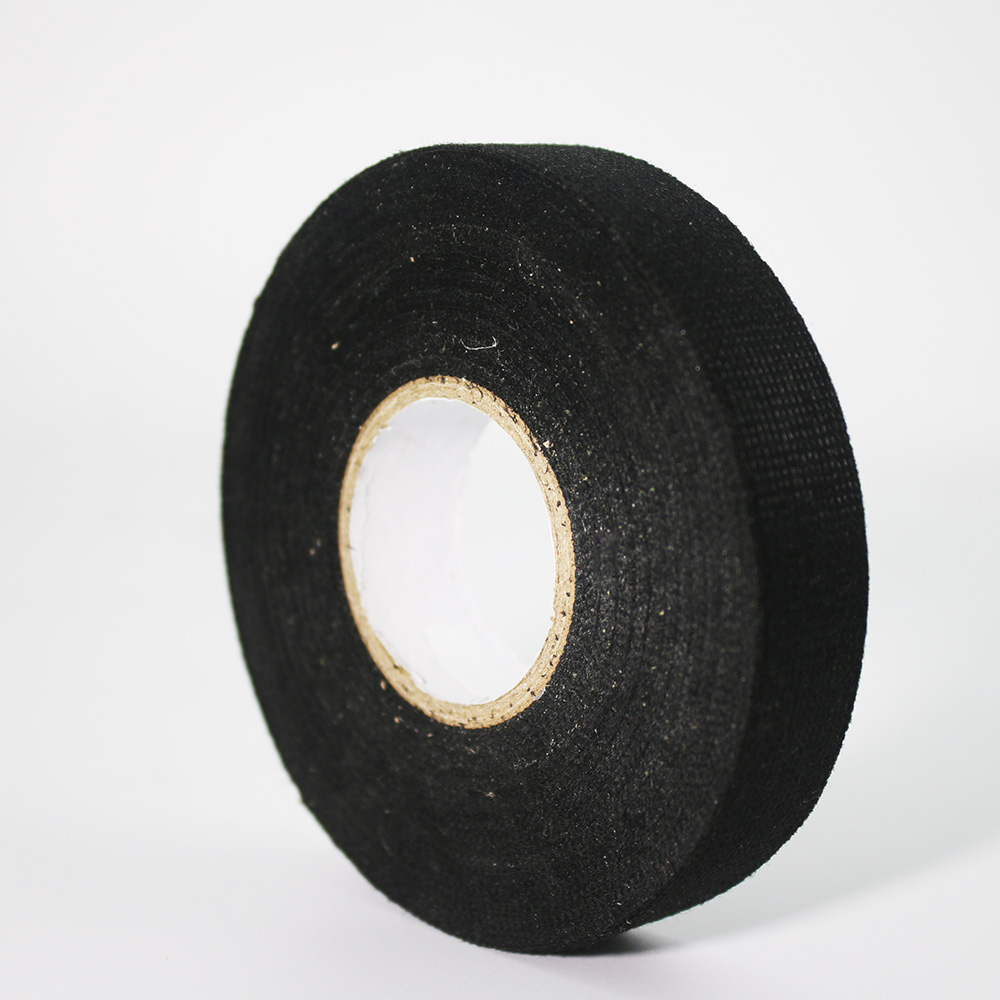 Does Automotive Fleece Tape Really Eliminate Wire Harness Noise?
 How to Choose Electrical Tape Based on Adhesive Technology
 Common Adhesive Failures in Industrial Electrical Tapes