
Does Double-Sided Conductive Fabric Tape Actually Solve EMI and ESD Grounding?
Update time : 2026-05-12
The Invisible Shield for Your High-Tech Electronics
In the world of modern electronics, two invisible enemies threaten performance: Electromagnetic Interference (EMI) and Electrostatic Discharge (ESD). As devices get smaller and signals get faster, a stray signal or a tiny spark can cause data corruption, component failure, or complete system crashes. While traditional metal shields and gaskets have been the go-to solution, they add weight, cost, and complexity. Enter Double-Sided Conductive Fabric Tape—a flexible, adhesive-backed material that promises to shield and ground with the simplicity of a sticker. But does this high-tech tape actually deliver on its promises, or is it just a convenient compromise?
What Is Double-Sided Conductive Fabric Tape?
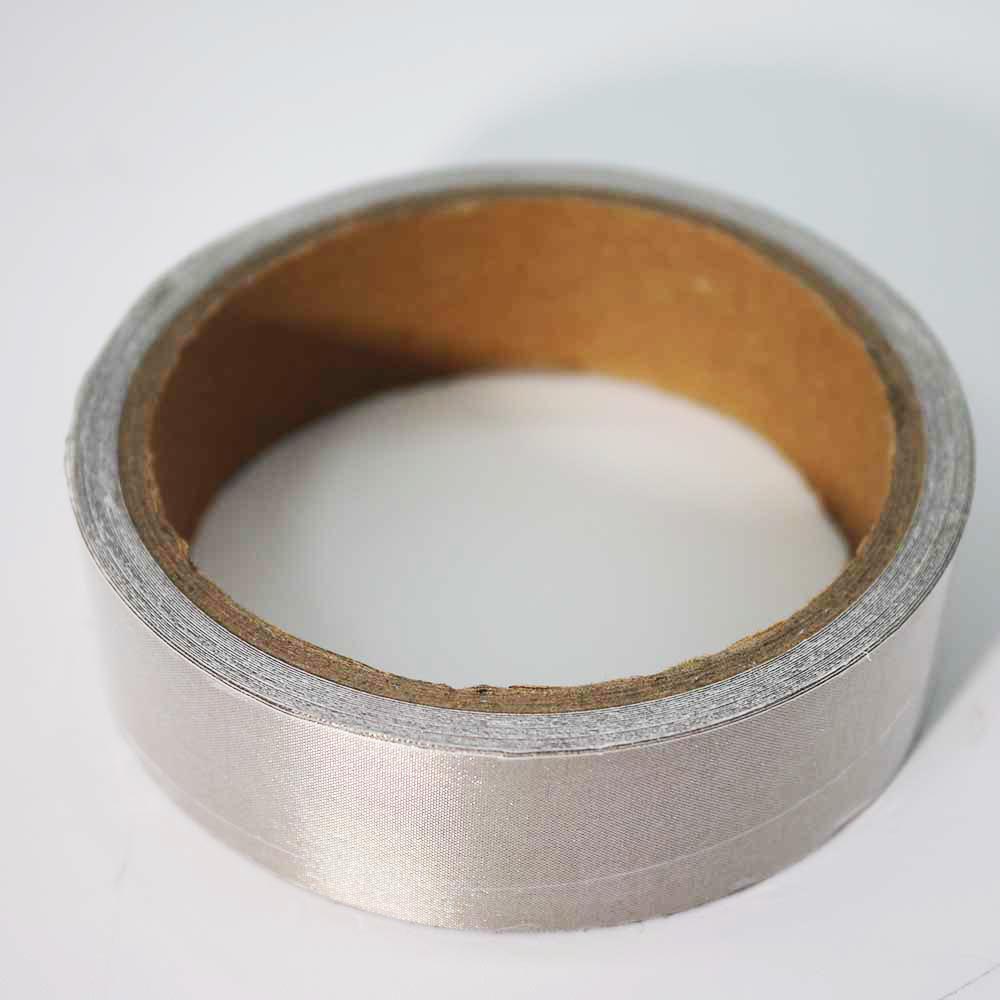
At its core, this tape is a sophisticated composite material, not just a sticky strip. It’s constructed from a plain-weave conductive fabric (typically polyester or nylon) that is coated with a high-conductivity metal layer (like nickel or copper). This fabric is then laminated with a pressure-sensitive conductive acrylic adhesive on both sides. The result is a thin, flexible tape that conducts electricity through its thickness and across its surface, creating a continuous electrical path between two surfaces.
- The Conductivity Chain: Unlike standard adhesive tapes that are insulators, this tape is designed to complete an electrical circuit. The conductive fibers in the fabric and the specially formulated adhesive work together to provide a low-resistance path for electrical currents and electromagnetic waves.
- The Flexibility Advantage: Unlike rigid metal shields, this tape can conform to curved surfaces, tight corners, and irregular shapes inside compact devices like smartphones and wearables, where space is at a premium.
The Science Behind the Shielding and Grounding
The tape tackles two major issues in electronic design:
- EMI Shielding: Electromagnetic waves from internal components (like processors and antennas) can interfere with each other, causing noise and signal degradation. The conductive fabric acts as a Faraday cage, reflecting and absorbing these waves, preventing them from escaping or entering sensitive areas. With a typical surface resistance of ≤50 MΩ, it creates an effective barrier against interference.
- ESD Grounding: Static electricity buildup can zap and destroy delicate microchips. The tape provides a controlled, low-resistance path to ground, safely diverting these high-voltage discharges away from critical circuits. Its double-sided conductivity is key here, ensuring a reliable bond between, for example, a flexible printed circuit (FPC) and a metal chassis.
Key Applications Where It Beats Traditional Methods
This tape isn't just for emergency fixes; it's a design-enabling material in several critical areas:
- Smartphone and Tablet Assembly: Used to bond and ground internal components like cameras, speakers, and antennas to the main chassis, reducing EMI crosstalk and protecting against ESD from user contact.
- Wearable Technology: In smartwatches and fitness trackers, its thin profile (around 0.08mm) and flexibility are essential for shielding without adding bulk or restricting movement.
- Automotive Electronics: Modern cars are packed with sensitive control modules. This tape secures and grounds wire harnesses and sensors in tight spaces under the dashboard and hood, where temperatures can fluctuate.
- Medical Device Shielding: Used in diagnostic equipment to ensure signal integrity by preventing external EMI from affecting sensitive measurements.
The Durability and Performance Trade-Offs
While powerful, double-sided conductive tape is not a magic bullet. Understanding its limitations is crucial for a successful application.
- Peel Strength vs. Re-workability: With a peel strength of ≥800 gf/inch, it provides a strong, permanent bond. However, this also means it is not designed for easy rework or temporary positioning. Removing it can be difficult and may damage delicate components.
- Temperature Considerations: Most standard grades are rated for continuous use up to 80°C. While this is sufficient for many consumer electronics, high-power applications (like power supplies or automotive engine bays) may require specialized high-temperature variants to prevent adhesive failure.
- Surface Preparation is Key: The tape requires a clean, smooth surface to achieve optimal conductivity and adhesion. Oils, dust, or oxidation on the bonding surface can create a high-resistance connection, rendering the shielding ineffective.
When to Choose This Tape (And When to Avoid It)
Choose Double-Sided Conductive Fabric Tape when:
- You need to bond and ground in one step.
- Space is extremely limited, and rigid shields won't fit.
- You are working with irregular or curved surfaces.
- Prototyping or manufacturing requires a fast, clean application without liquid adhesives or soldering.
Avoid it or seek alternatives when:
- You require frequent disassembly or component replacement.
- The operating environment exceeds 100°C consistently.
- You need a non-flame-retardant material (standard versions are typically non-flame retardant).
- The primary requirement is structural strength rather than electrical connectivity.
The Verdict: An Essential Tool for Modern Electronics
Double-Sided Conductive Fabric Tape is far more than just a niche product. It is a critical enabling technology for the miniaturization and reliability of today's electronics. By providing a simple, effective solution for EMI shielding and ESD grounding in a flexible format, it solves design challenges that traditional methods cannot. For engineers and designers looking to improve signal integrity, protect sensitive components, and simplify assembly, integrating this tape into your BOM is a smart investment in product quality and performance.
RELATED NEWS
Read More >>
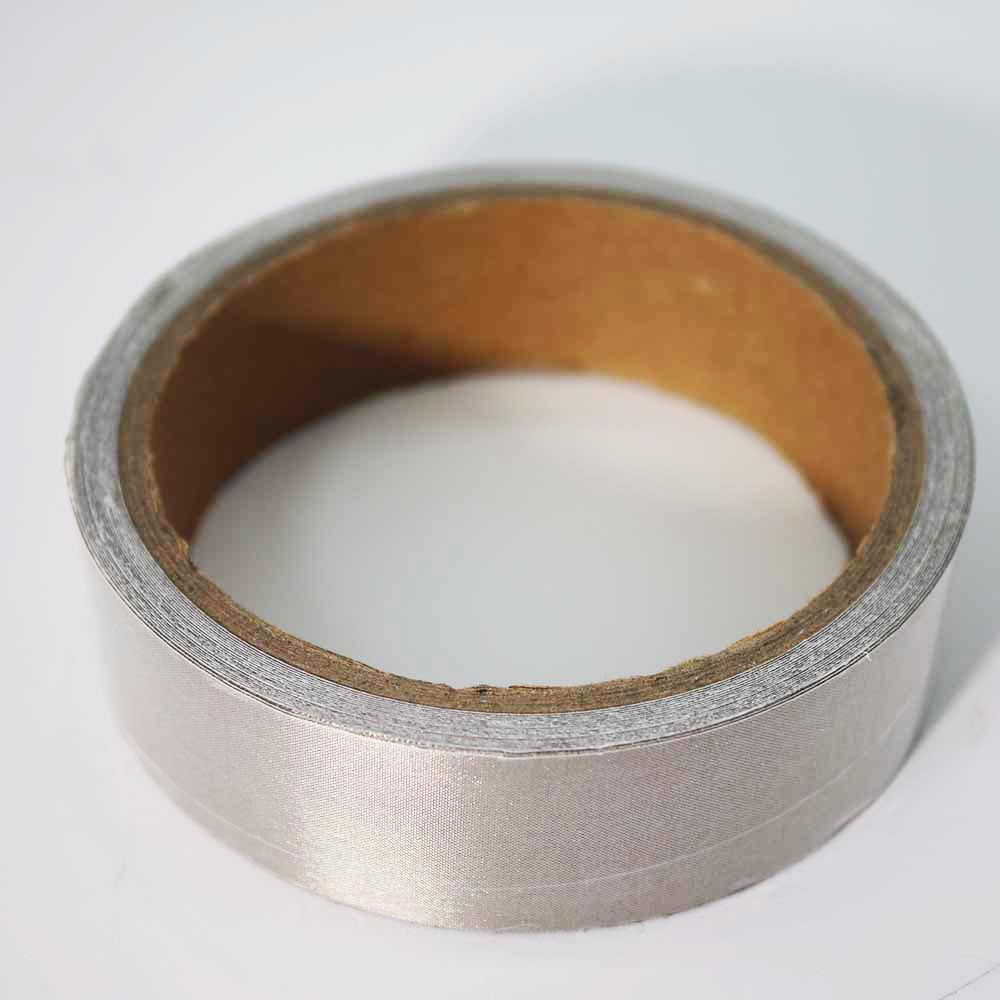 Does Double-Sided Conductive Fabric Tape Actually Replace Traditional EMI Gaskets in Compact Electronics?
06-23 2026
Inside smartphones, tablets, and IoT modules, the space between a PCB and the metal housing is often measured in millimeters. Traditional EMI gaskets — thick beryllium-copper finger stocks or molded e
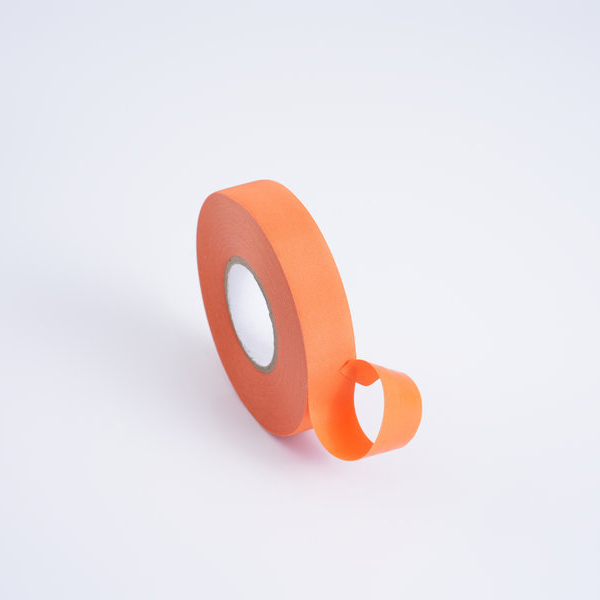 Will a Flame-Retardant Orange Fabric Wire Harness Tape Withstand 150 degrees Under the Hood Without Leaving Residue?
06-23 2026
In engine bay wiring, the two things that destroy a standard vinyl electrical tape are heat and oil splash. Above 80–90°C, cheap PVC softens, the rubber adhesive liquefies, and you get a sticky, condu
 Can a Single Light-Blocking Tape Replace Multiple Shielding Layers in Display Assembly?
06-10 2026
The Light-Blocking Tape Model L020-193 for Display and Optical Shielding is designed to consolidate these functions into a single, high-performance adhesive solution. With multiple substrate options—
 Can a 0.05mm Light Blocking Tape Really Deliver 99.9 percent Blackout for Sensitive Optics?
06-10 2026
The Light Blocking Tape Model L012-193 for Optical and Electronic Blackout offers a radically simpler approach: an ultra-thin, high-tack adhesive tape that blocks 99.9% of visible light while adding
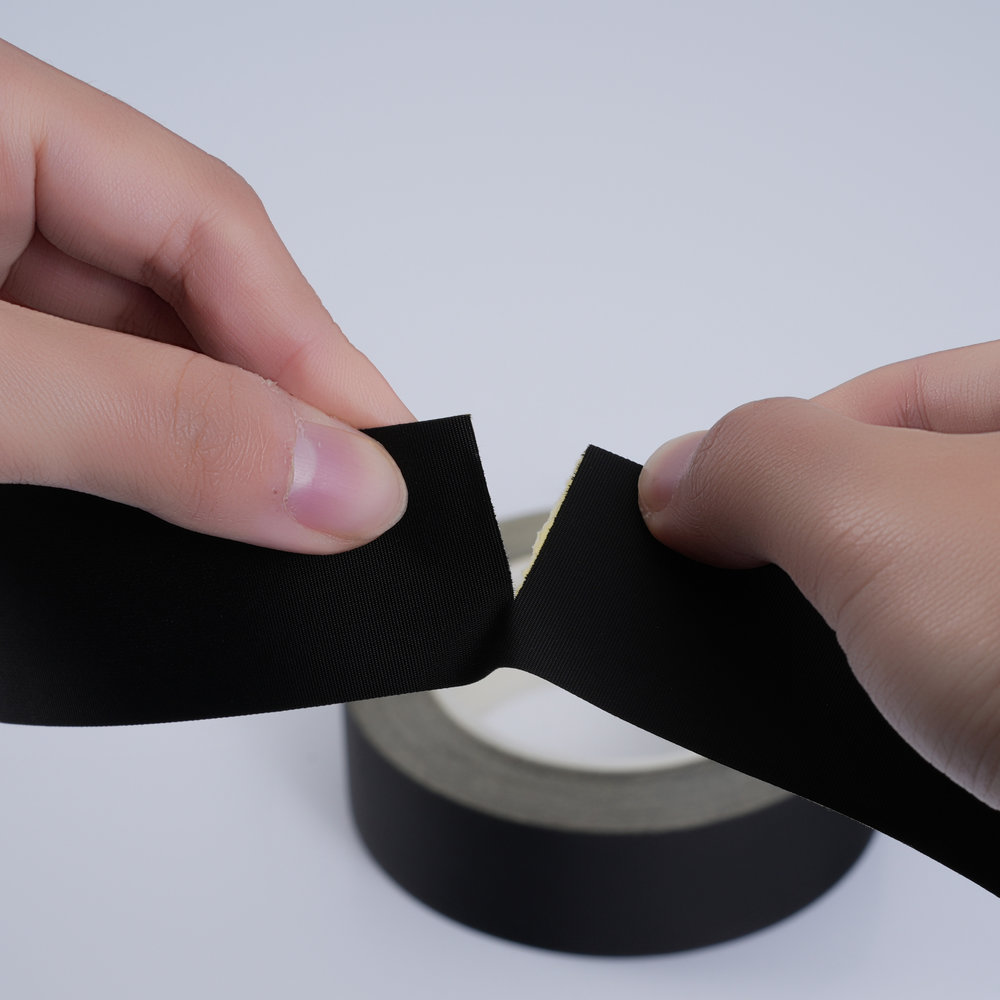 Is Acetate Cloth Tape the Ultimate Flame-Retardant Solution for Electrical Insulation?
05-30 2026
This has pushed engineers toward specialized materials like Acetate Cloth Tape, specifically models like the Z0A020-00-B. But does this UL-certified, flame-retardant tape offer the robust protection i
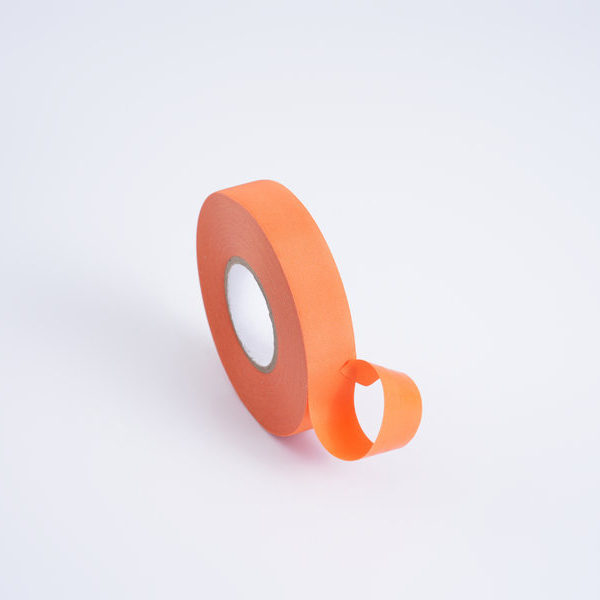 Why High-Temperature Orange Automotive Wire Harness Tape is the Smart Choice for High-Heat Engine Bays
05-30 2026
In complex wiring systems, it allows for quick visual identification of specific circuits (e.g., high-voltage systems in EVs, safety-critical circuits, or aftermarket additions), reducing diagnostic t
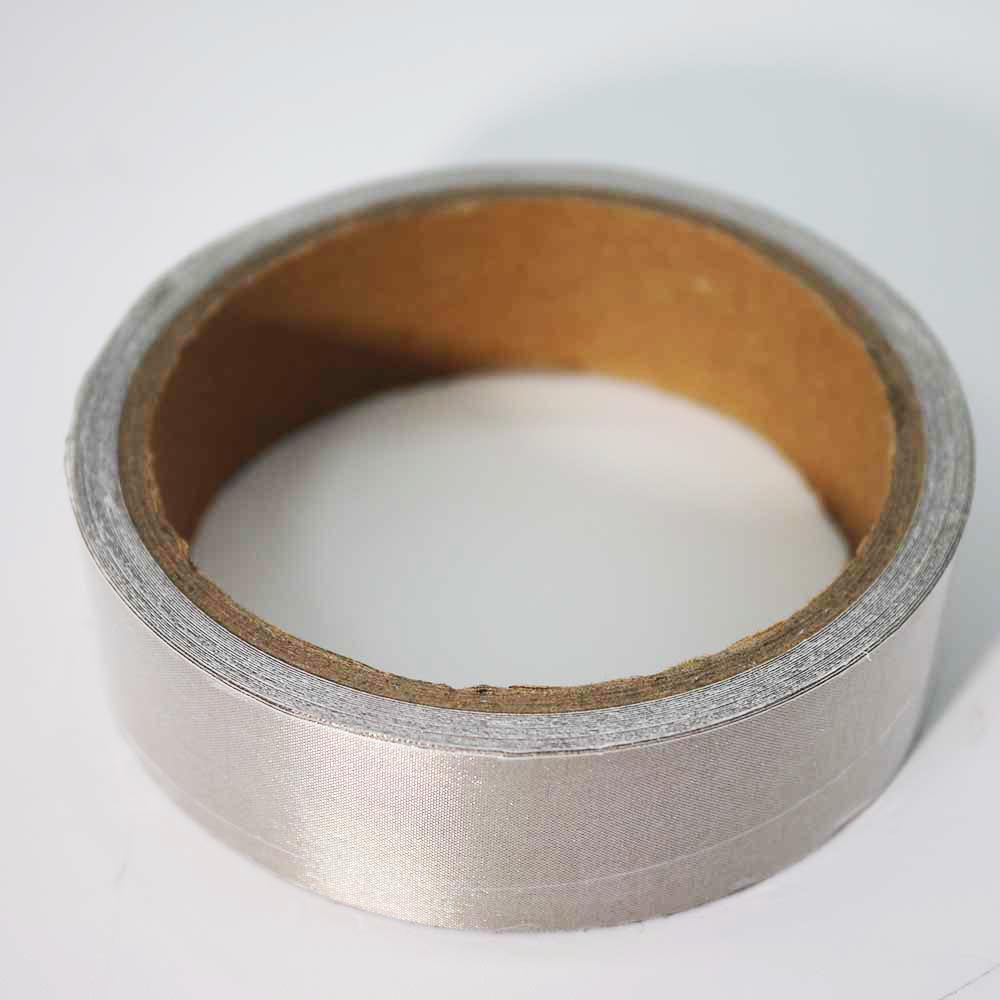 Can Double-Sided Conductive Fabric Tape Replace Traditional EMI Gaskets?
05-21 2026
This has led to the rise of Double-Sided Conductive Fabric Tape—a flexible, adhesive-based solution that promises to simplify design while maintaining performance. But can a simple tape truly replace
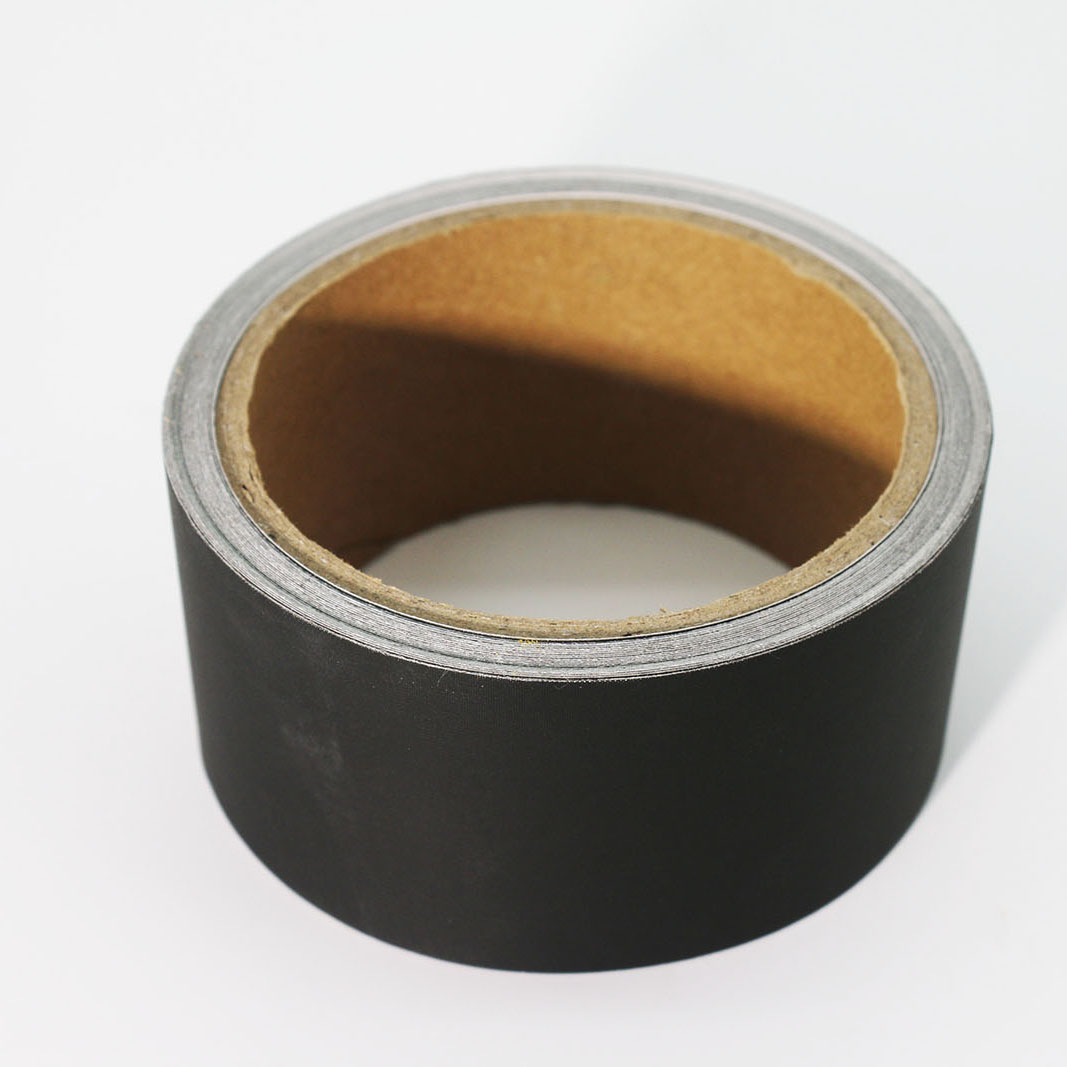 Why Black Conductive Fabric Tape is the Go-To for Light-Sensitive Electronics
05-21 2026
This is where Black Coated Conductive Fabric Tape steps in—a specialized material that combines the opacity of a light seal with the functionality of an EMI shield. But what specific problems does it
 Is Nylon Cloth Tape the Ultimate Heavy-Dust and Abrasion Shield for Industrial Wiring?
05-12 2026
This is where Nylon Cloth Tape (like Model P012-193) steps in. But is it truly the best defense against mechanical wear, or just another over-engineered solution?
 Does Double-Sided Conductive Fabric Tape Actually Solve EMI and ESD Grounding?
05-12 2026
Enter Double-Sided Conductive Fabric Tape—a flexible, adhesive-backed material that promises to shield and ground with the simplicity of a sticker. But does this high-tech tape actually deliver on its