
Can Double-Sided Conductive Fabric Tape Replace Traditional EMI Gaskets?
Update time : 2026-05-21
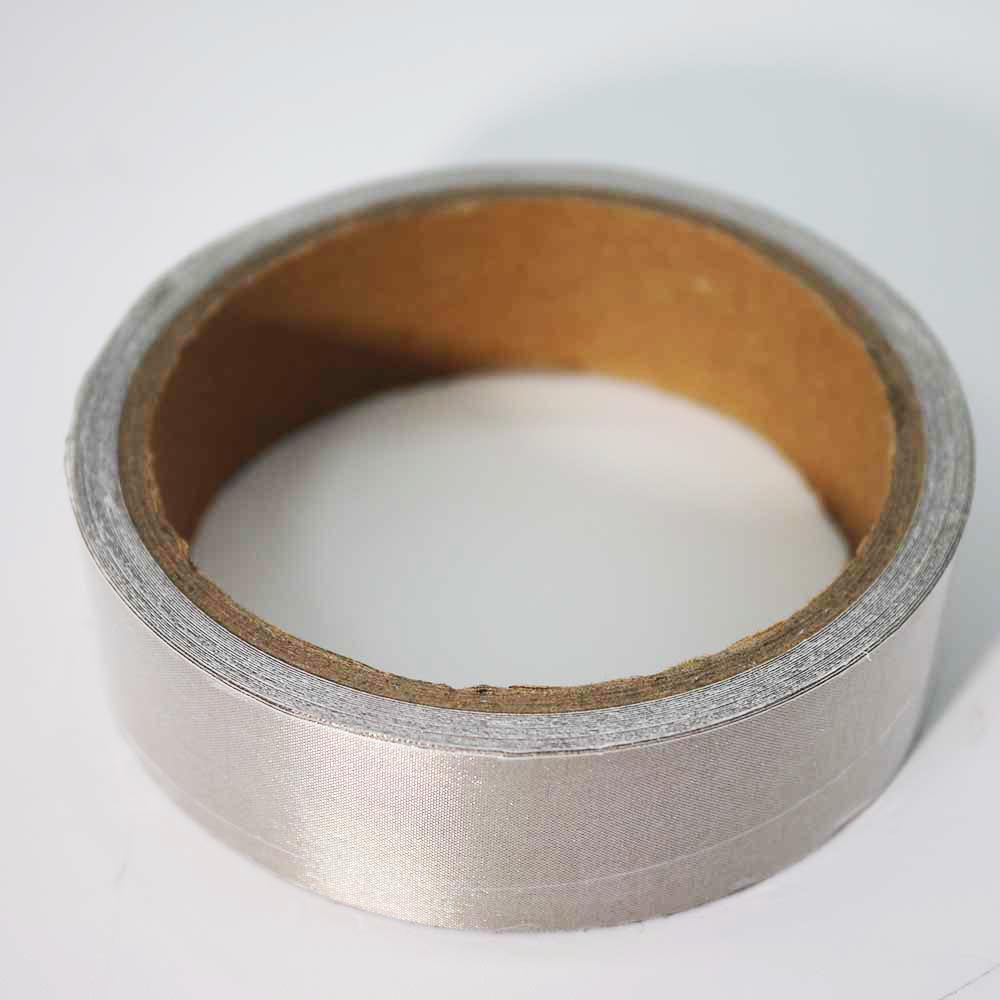
In the relentless push for thinner, lighter, and more densely packed electronics, engineers are constantly challenged by two invisible adversaries: Electromagnetic Interference (EMI) and Electrostatic Discharge (ESD). Traditional metal shields and beryllium copper gaskets have long been the standard defense, but they add weight, cost, and assembly complexity. This has led to the rise of Double-Sided Conductive Fabric Tape—a flexible, adhesive-based solution that promises to simplify design while maintaining performance. But can a simple tape truly replace a mechanical gasket?
How Does a Tape Provide EMI Shielding?
At first glance, a tape seems too simple to block high-frequency noise. The effectiveness lies in its sophisticated layered construction:
- Conductive Core: The base is a plain-weave fabric (typically polyester or nylon) uniformly coated with a high-conductivity metal layer (copper, nickel, or silver). This creates a continuous conductive path across the entire surface, forming a Faraday cage that reflects or absorbs EMI.
- Dual-Sided Adhesion: Unlike standard tapes, both sides are coated with a conductive acrylic adhesive. This ensures electrical continuity from the component (e.g., a PCB edge) to the grounding point (e.g., a metal chassis), eliminating the need for separate conductive epoxies.
- Low Surface Resistance: Quality tapes maintain a surface resistance of ≤50 MΩ, ensuring efficient charge dissipation and minimal voltage drop across the connection.
The Engineering Advantages Beyond Simple Sticking
For design engineers, the appeal of this material extends far beyond its conductivity. It solves several critical design constraints:
- Ultra-Thin Profile: With a typical thickness of just 0.08 mm, it can fit into gaps where traditional gaskets cannot, making it ideal for modern smartphones, tablets, and wearables where internal space is measured in microns.
- Conformability: The fabric backing allows the tape to wrap tightly around curved surfaces, irregular shapes, and tight corners, ensuring 360-degree shielding coverage without springback.
- Durability: The woven fabric provides excellent resistance to abrasion, tearing, and vibration—common failure points in portable devices that are subject to drops and flexing.
Critical Applications: Where It Delivers Real Value
This tape is not a universal replacement for all shielding scenarios, but it excels in specific, high-value applications:
- FFC/PCB Grounding: Providing a low-impedance ground path for Flexible Flat Cables (FFCs) and shielding the edges of PCBs from crosstalk.
- Component-Level Shielding: Creating localized shields around sensitive components like cameras, antennas, and sensors to block external RF noise.
- ESD Protection: Establishing a controlled discharge path on non-conductive housings to prevent static buildup from damaging internal ICs.
- Gasket Replacement: In many consumer electronics, it has successfully replaced traditional finger stock gaskets, reducing part count and assembly time.
Key Selection Criteria for Reliable Performance
Not all conductive tapes are created equal. When specifying this material, several technical parameters are non-negotiable:
- Peel Strength: Look for a peel strength of ≥800 gf/inch to ensure the bond survives mechanical stress and thermal cycling.
- Temperature Resistance: Verify the tape can withstand your device's operating temperature (commonly rated up to 80°C).
- Adhesive Type: Conductive acrylic adhesives offer superior environmental resistance (humidity, aging) compared to conductive rubber-based options, which can outgas or degrade.
RELATED NEWS
Read More >>
 Can a Multi-Layer Nylon Cloth Tape with Optional Aluminum Foil Backing Really Bundle Hot-Engine Wiring and Absorb Minor Vibration in One Wrap
07-03 2026
In engine-bay wiring, robotics cable carriers, and industrial control cabinets, a single-function vinyl electrical tape often fails — it softens above 80°C, the adhesive oozes in summer heat, and it o
 Can a Laser Inkjet and Thermal Transfer Compatible Printable Adhesive Label Tape Really Survive Warehouse Scuffs and Freezer Storage While Staying Scannable
07-03 2026
In logistics centers, labs, automotive parts depots, and even home office archives, the weakest link in an asset-tracking system is often the label itself — ink smears from handling, adhesive lifts in
 Does Double-Sided Conductive Fabric Tape Actually Replace Traditional EMI Gaskets in Compact Electronics?
06-23 2026
Inside smartphones, tablets, and IoT modules, the space between a PCB and the metal housing is often measured in millimeters. Traditional EMI gaskets — thick beryllium-copper finger stocks or molded e
 Will a Flame-Retardant Orange Fabric Wire Harness Tape Withstand 150 degrees Under the Hood Without Leaving Residue?
06-23 2026
In engine bay wiring, the two things that destroy a standard vinyl electrical tape are heat and oil splash. Above 80–90°C, cheap PVC softens, the rubber adhesive liquefies, and you get a sticky, condu
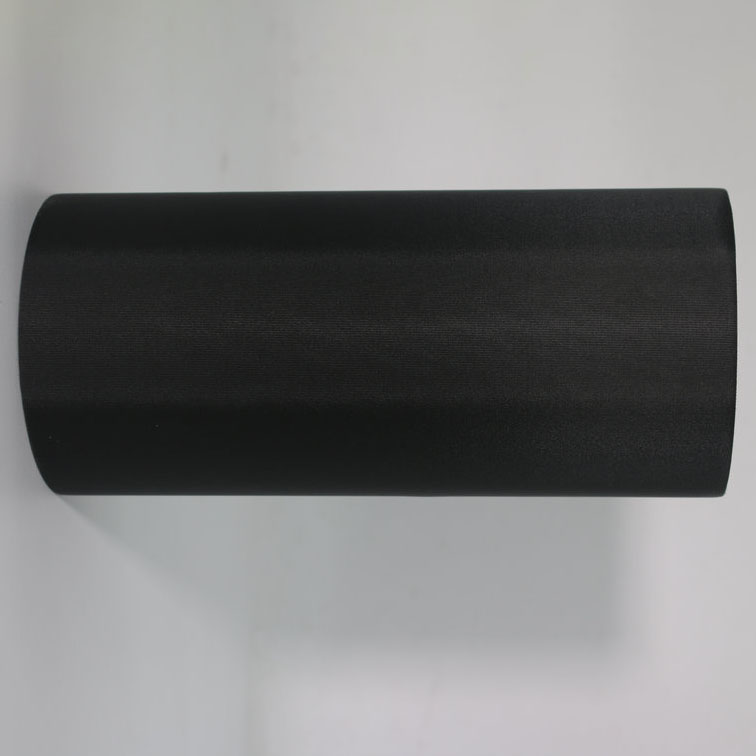 Can a Single Light-Blocking Tape Replace Multiple Shielding Layers in Display Assembly?
06-10 2026
The Light-Blocking Tape Model L020-193 for Display and Optical Shielding is designed to consolidate these functions into a single, high-performance adhesive solution. With multiple substrate options—
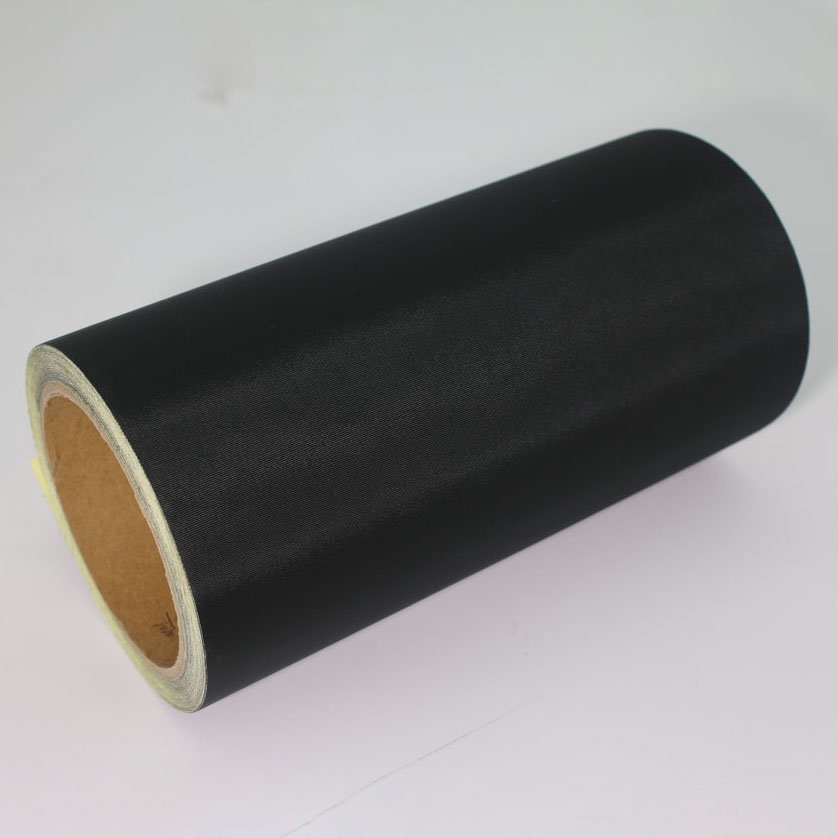 Can a 0.05mm Light Blocking Tape Really Deliver 99.9 percent Blackout for Sensitive Optics?
06-10 2026
The Light Blocking Tape Model L012-193 for Optical and Electronic Blackout offers a radically simpler approach: an ultra-thin, high-tack adhesive tape that blocks 99.9% of visible light while adding
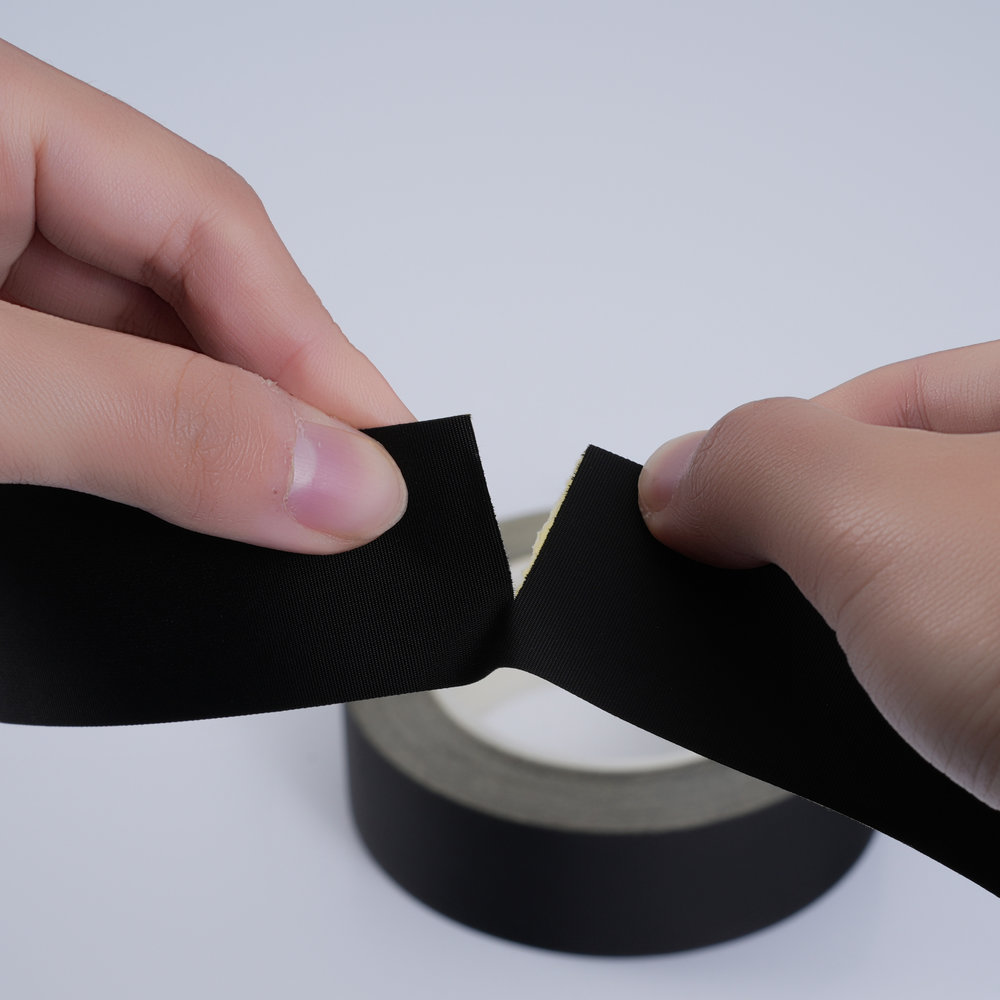 Is Acetate Cloth Tape the Ultimate Flame-Retardant Solution for Electrical Insulation?
05-30 2026
This has pushed engineers toward specialized materials like Acetate Cloth Tape, specifically models like the Z0A020-00-B. But does this UL-certified, flame-retardant tape offer the robust protection i
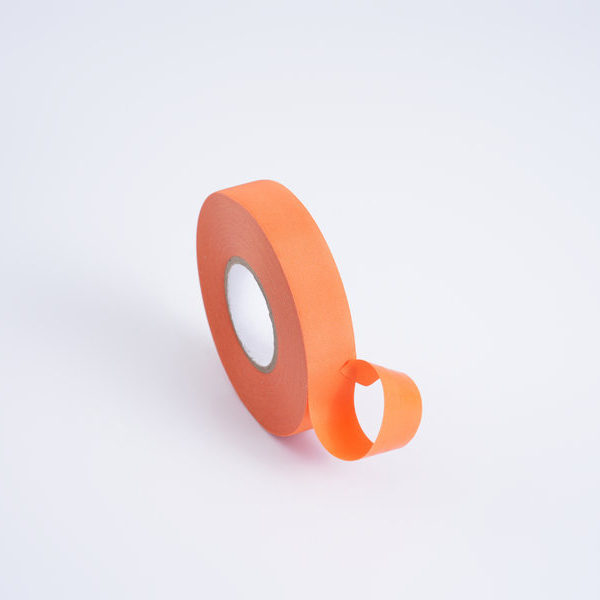 Why High-Temperature Orange Automotive Wire Harness Tape is the Smart Choice for High-Heat Engine Bays
05-30 2026
In complex wiring systems, it allows for quick visual identification of specific circuits (e.g., high-voltage systems in EVs, safety-critical circuits, or aftermarket additions), reducing diagnostic t
 Can Double-Sided Conductive Fabric Tape Replace Traditional EMI Gaskets?
05-21 2026
This has led to the rise of Double-Sided Conductive Fabric Tape—a flexible, adhesive-based solution that promises to simplify design while maintaining performance. But can a simple tape truly replace
 Why Black Conductive Fabric Tape is the Go-To for Light-Sensitive Electronics
05-21 2026
This is where Black Coated Conductive Fabric Tape steps in—a specialized material that combines the opacity of a light seal with the functionality of an EMI shield. But what specific problems does it