
How to Test Adhesive Performance for Industrial Electrical Tapes
For industrial electrical tapes, adhesive performance is just as important as insulation capability. Even if a tape has strong backing material, poor adhesive quality can lead to early failure, loose wire bundles, and increased maintenance costs.
That is why manufacturers and industrial buyers often rely on adhesive performance testing before selecting or approving electrical tapes for production use.
Understanding how these tests work can help engineers and procurement teams evaluate tape quality more effectively.
1. Peel Adhesion Test
One of the most common tests for adhesive performance is the peel adhesion test.
In this test, a strip of tape is applied to a standardized surface (usually stainless steel). After a fixed bonding time, the tape is peeled off at a specific angle, typically 180 degrees, while measuring the force required.
This test evaluates:
-
bonding strength
-
adhesive consistency
-
coating uniformity
Higher peel strength generally indicates stronger adhesion.
2. Shear Adhesion Test
The shear adhesion test measures how well the adhesive resists sliding under load.
In this test:
-
tape is applied to a surface
-
a weight is attached to the tape
-
the time it takes for the tape to slip or detach is recorded
This test reflects how the tape performs in long-term wire bundling applications, where constant tension may exist.
3. Heat Aging Test
Industrial electrical tapes must perform under elevated temperatures. The heat aging test evaluates adhesive stability under prolonged heat exposure.
Typical procedures include:
-
placing taped samples in a temperature-controlled oven
-
maintaining temperatures such as 80°C or 120°C
-
testing adhesion again after several hours or days
High-quality adhesives maintain stable performance after heat aging, while lower-quality adhesives may soften or lose bonding strength.
4. Residue and Clean Removal Test
Maintenance friendliness is another key factor.
During this test:
-
tape is applied and aged on cable surfaces
-
after a specified period, it is removed
-
the amount of adhesive residue left behind is evaluated
Industrial tapes designed for long-term wiring should offer minimal residue after removal.
5. Environmental Resistance Testing
Some industrial tapes undergo additional tests to simulate harsh environments, including:
-
humidity exposure
-
chemical contact
-
vibration testing
-
thermal cycling
These tests ensure that the adhesive system remains stable under real industrial conditions.
Final Thoughts
Adhesive performance plays a crucial role in the reliability of industrial electrical tapes.
By evaluating tapes through standardized tests such as:
-
peel adhesion
-
shear adhesion
-
heat aging
-
residue testing
manufacturers and engineers can ensure that selected tapes meet the requirements of demanding industrial wiring applications.
Choosing a tape with well-tested adhesive performance helps reduce maintenance issues and improves long-term system reliability.
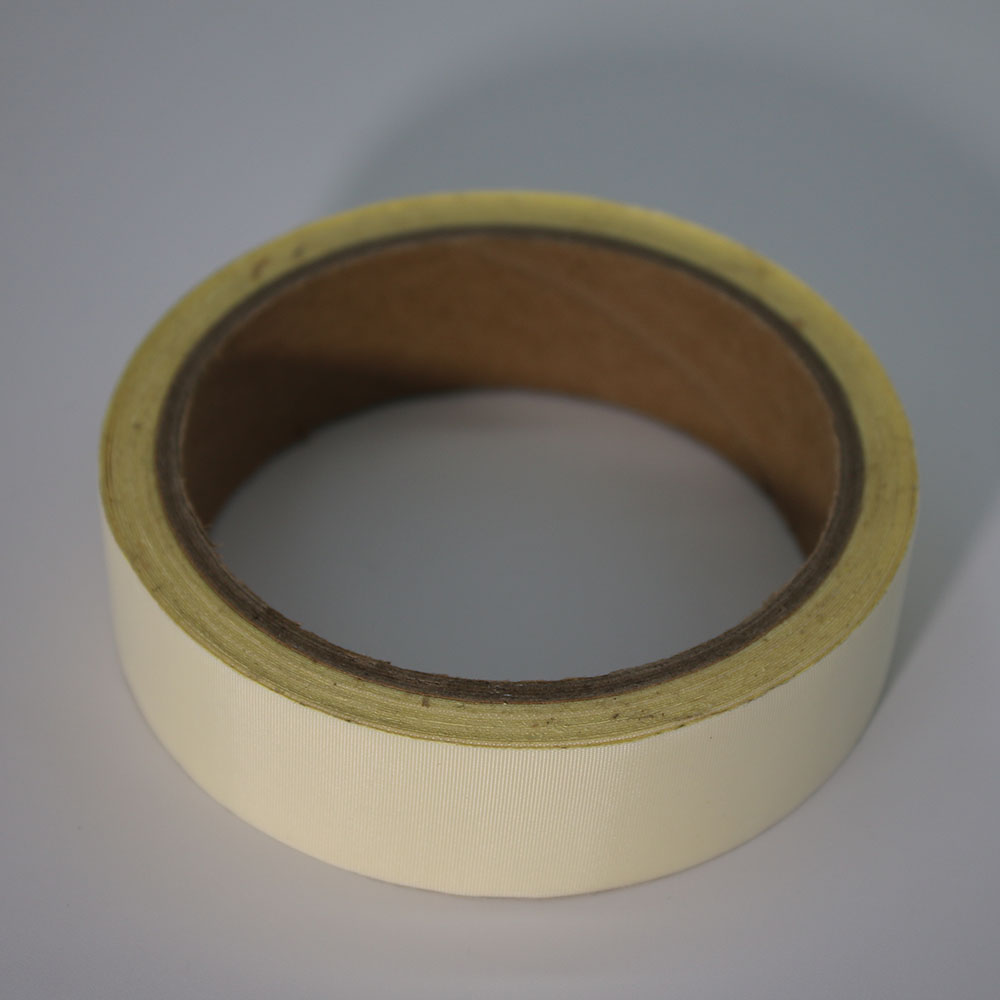 Can a Multi-Layer Nylon Cloth Tape with Optional Aluminum Foil Backing Really Bundle Hot-Engine Wiring and Absorb Minor Vibration in One Wrap
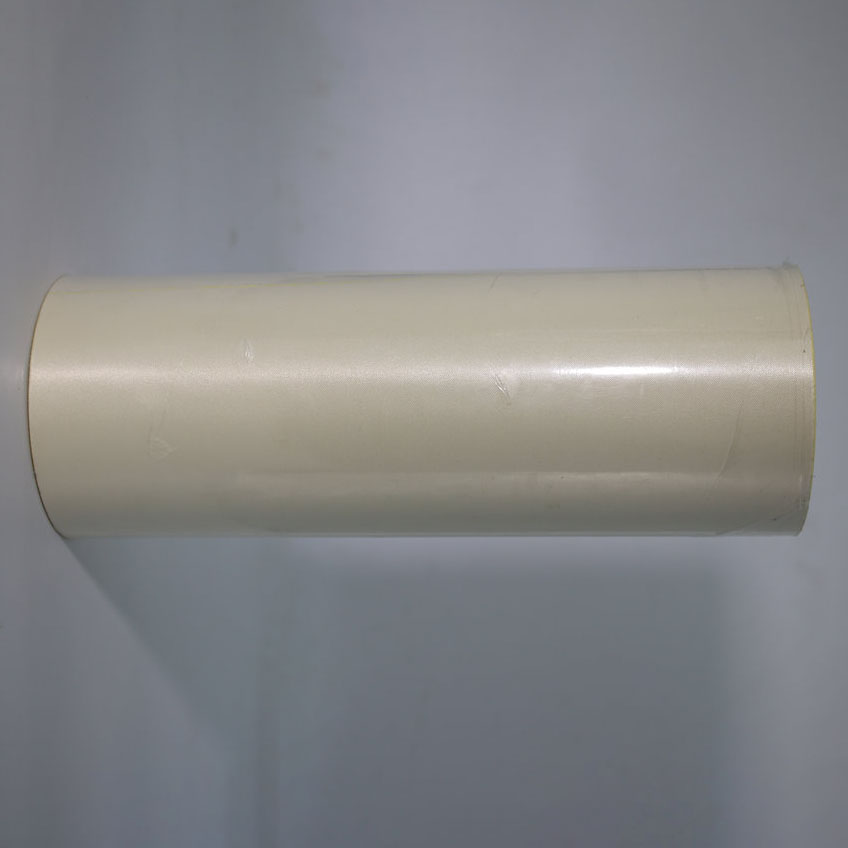 Can a Laser Inkjet and Thermal Transfer Compatible Printable Adhesive Label Tape Really Survive Warehouse Scuffs and Freezer Storage While Staying Scannable
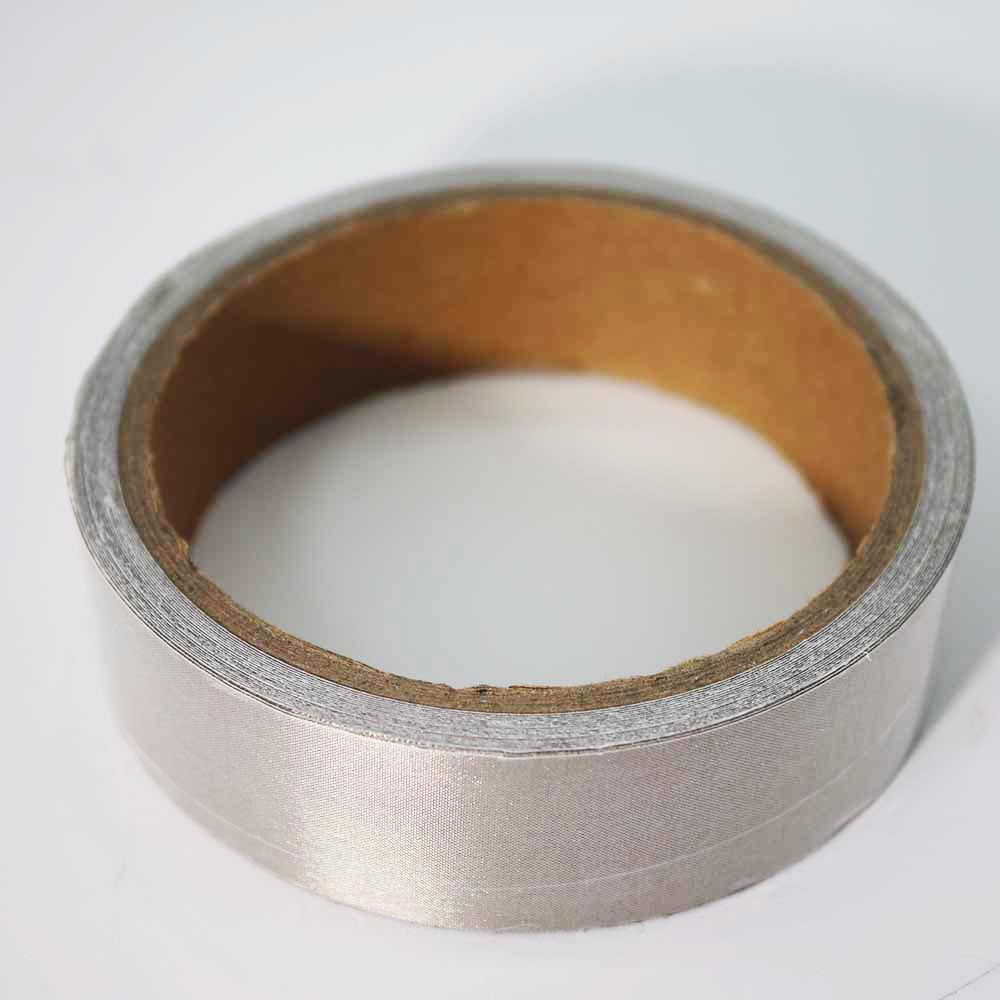 Does Double-Sided Conductive Fabric Tape Actually Replace Traditional EMI Gaskets in Compact Electronics?
 Will a Flame-Retardant Orange Fabric Wire Harness Tape Withstand 150 degrees Under the Hood Without Leaving Residue?
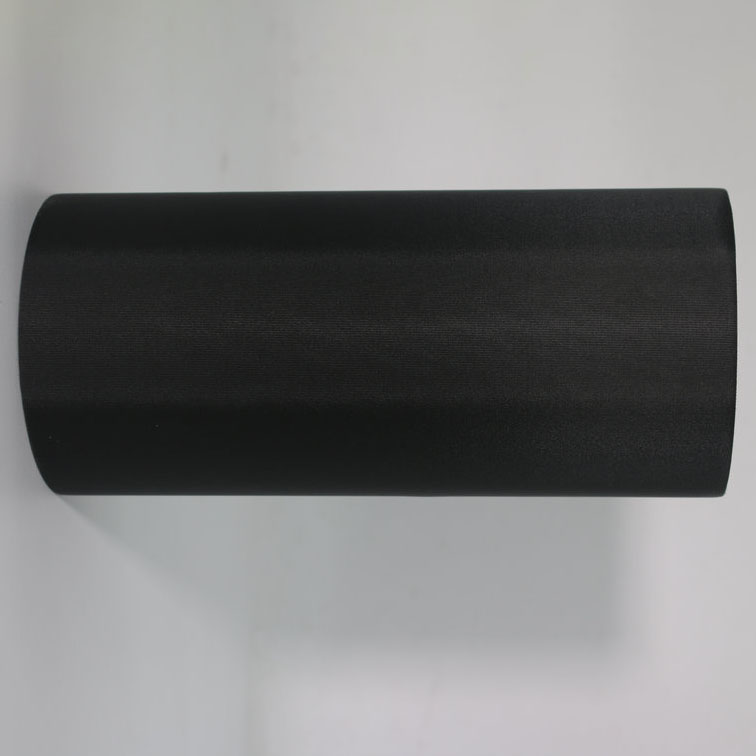 Can a Single Light-Blocking Tape Replace Multiple Shielding Layers in Display Assembly?
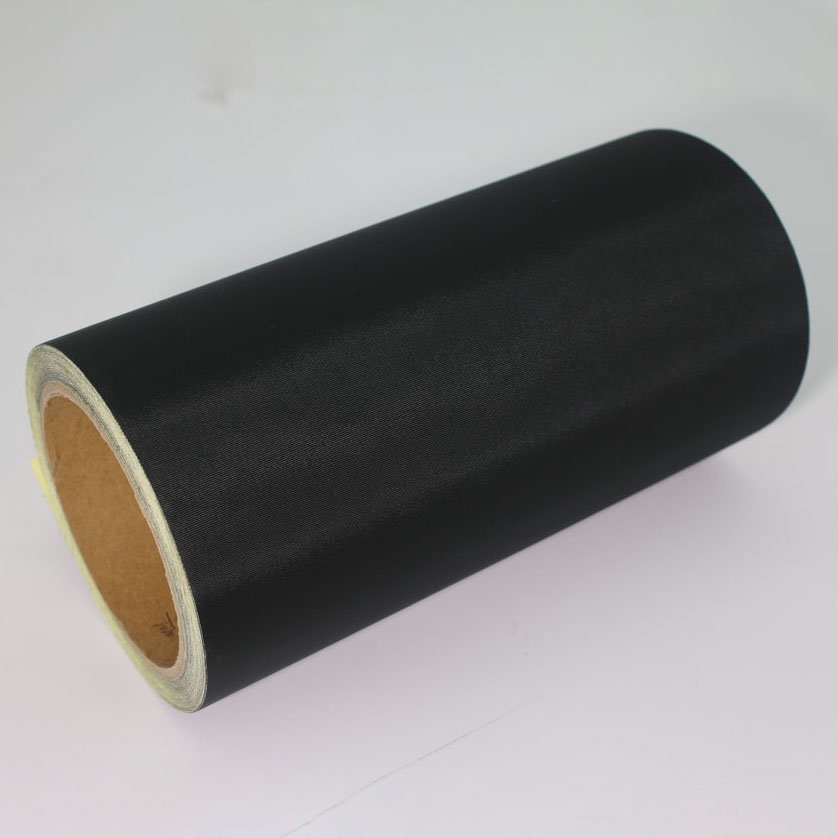 Can a 0.05mm Light Blocking Tape Really Deliver 99.9 percent Blackout for Sensitive Optics?
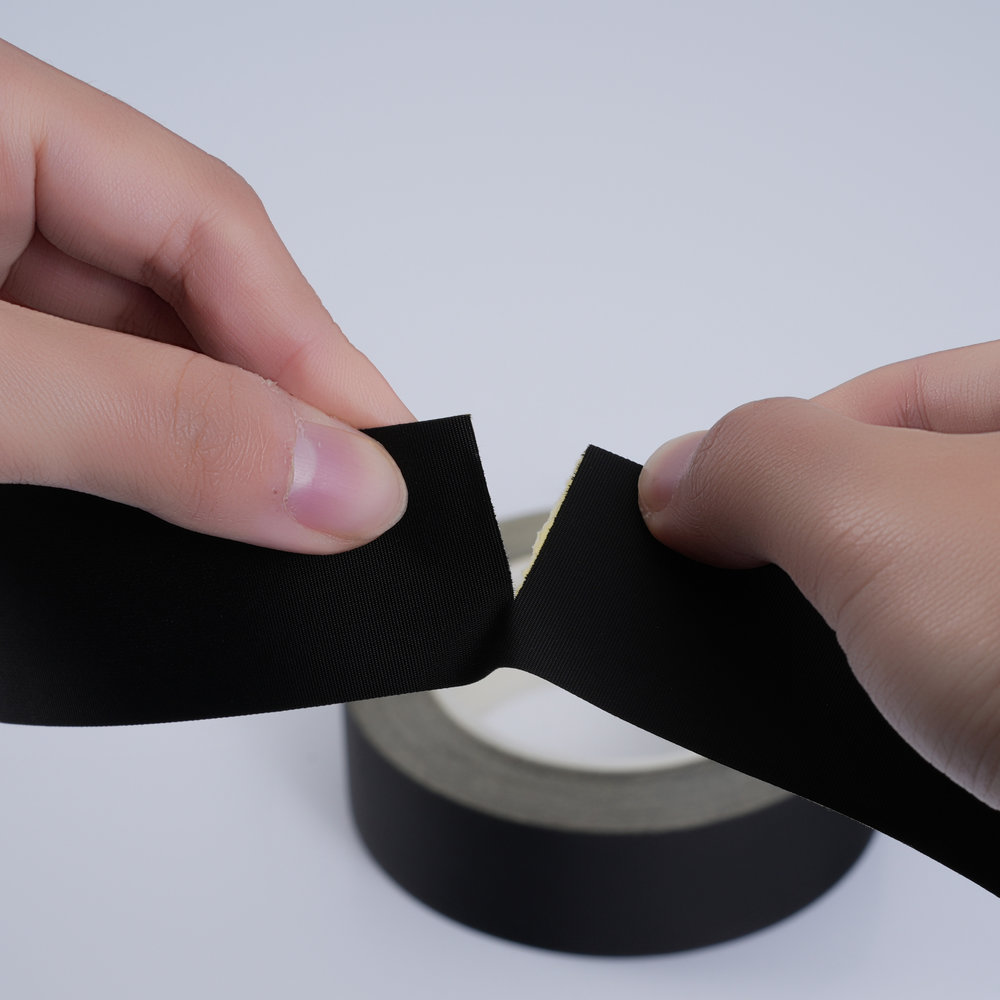 Is Acetate Cloth Tape the Ultimate Flame-Retardant Solution for Electrical Insulation?
 Why High-Temperature Orange Automotive Wire Harness Tape is the Smart Choice for High-Heat Engine Bays
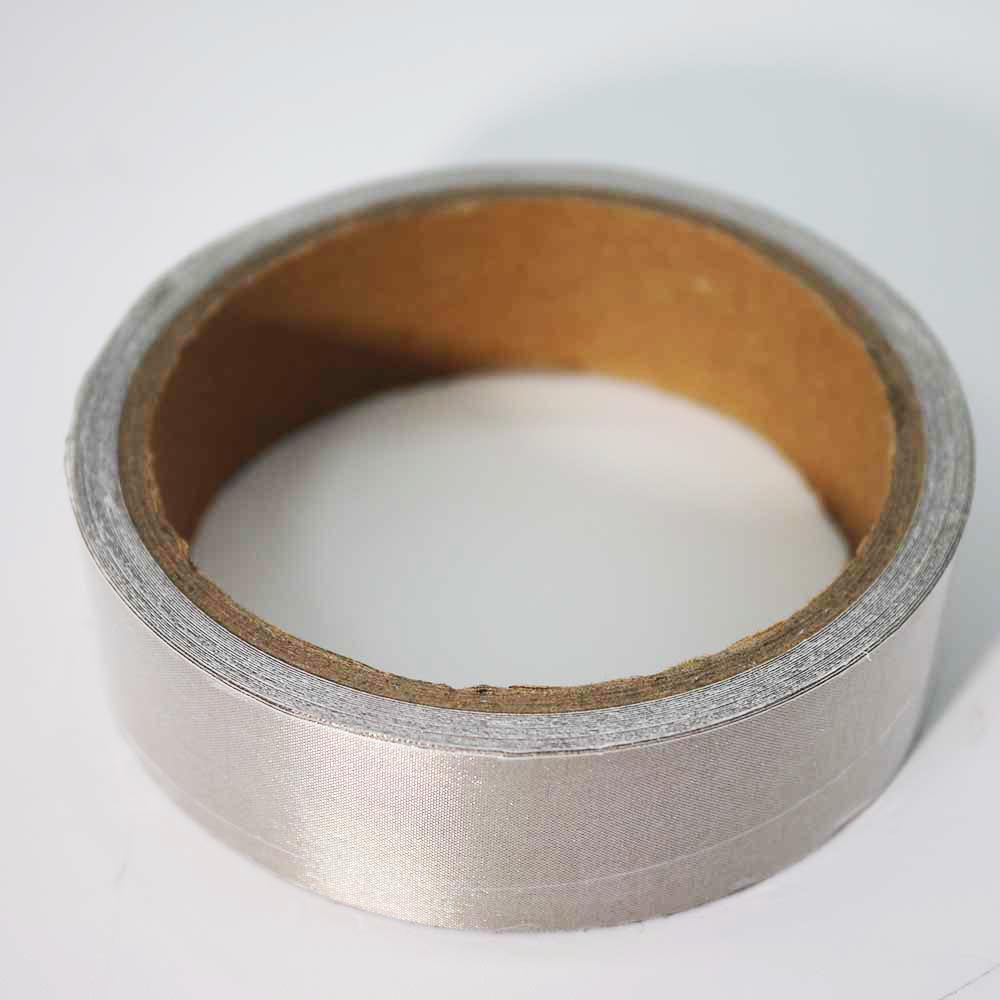 Can Double-Sided Conductive Fabric Tape Replace Traditional EMI Gaskets?
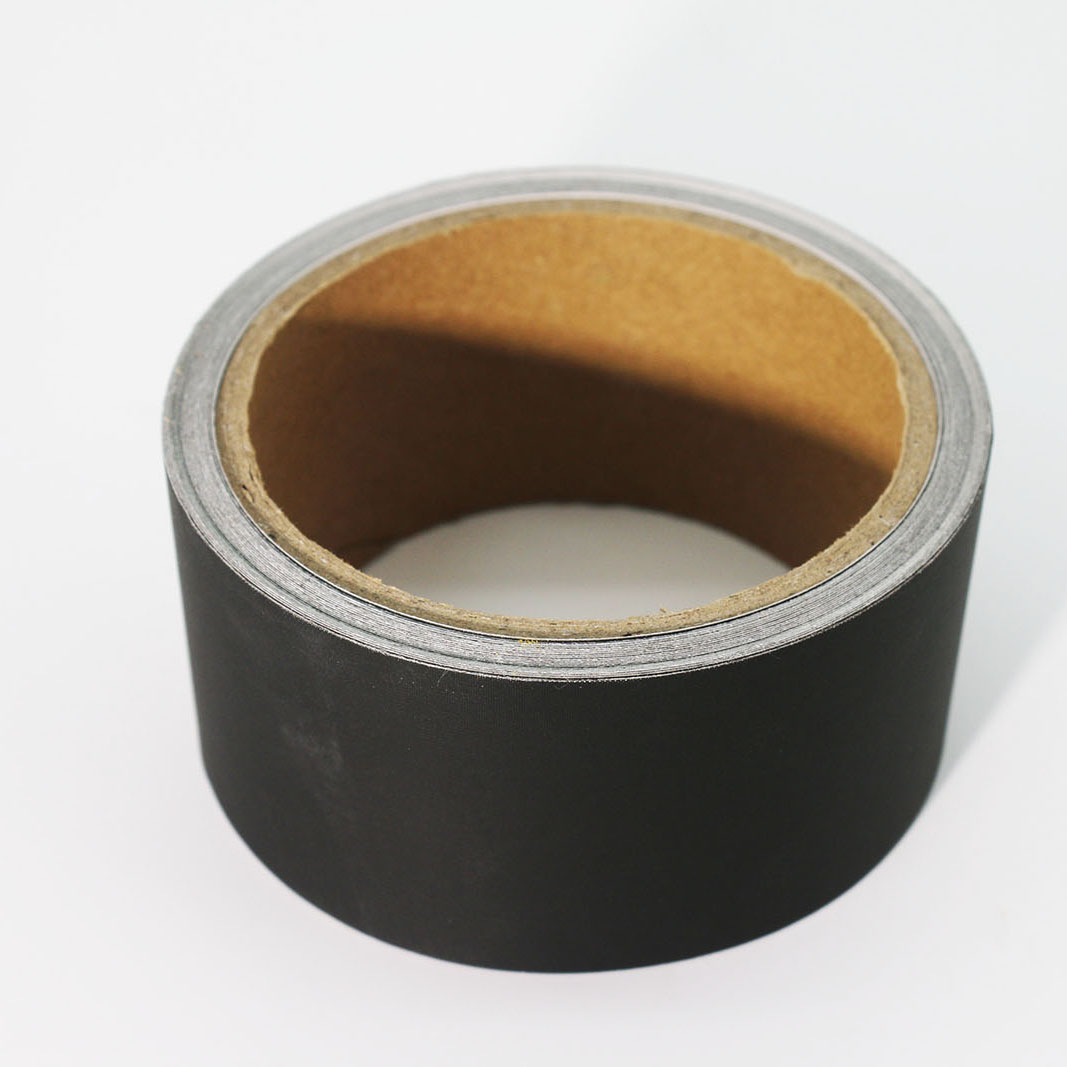 Why Black Conductive Fabric Tape is the Go-To for Light-Sensitive Electronics