
Is Acetate Cloth Tape the Ultimate Flame-Retardant Solution for Electrical Insulation?
Update time : 2026-05-30
In the world of electrical engineering and appliance manufacturing, the thin line between safe operation and a potential fire hazard often comes down to the materials used for insulation and bundling. Standard PVC tapes, while common, can soften, melt, or even ignite under extreme thermal stress. This has pushed engineers toward specialized materials like Acetate Cloth Tape, specifically models like the Z0A020-00-B. But does this UL-certified, flame-retardant tape offer the robust protection it promises, or is it just another overhyped adhesive? Let’s dissect its properties to see if it’s the right fit for high-reliability applications.
What Makes Acetate Cloth Tape a Superior Insulator?
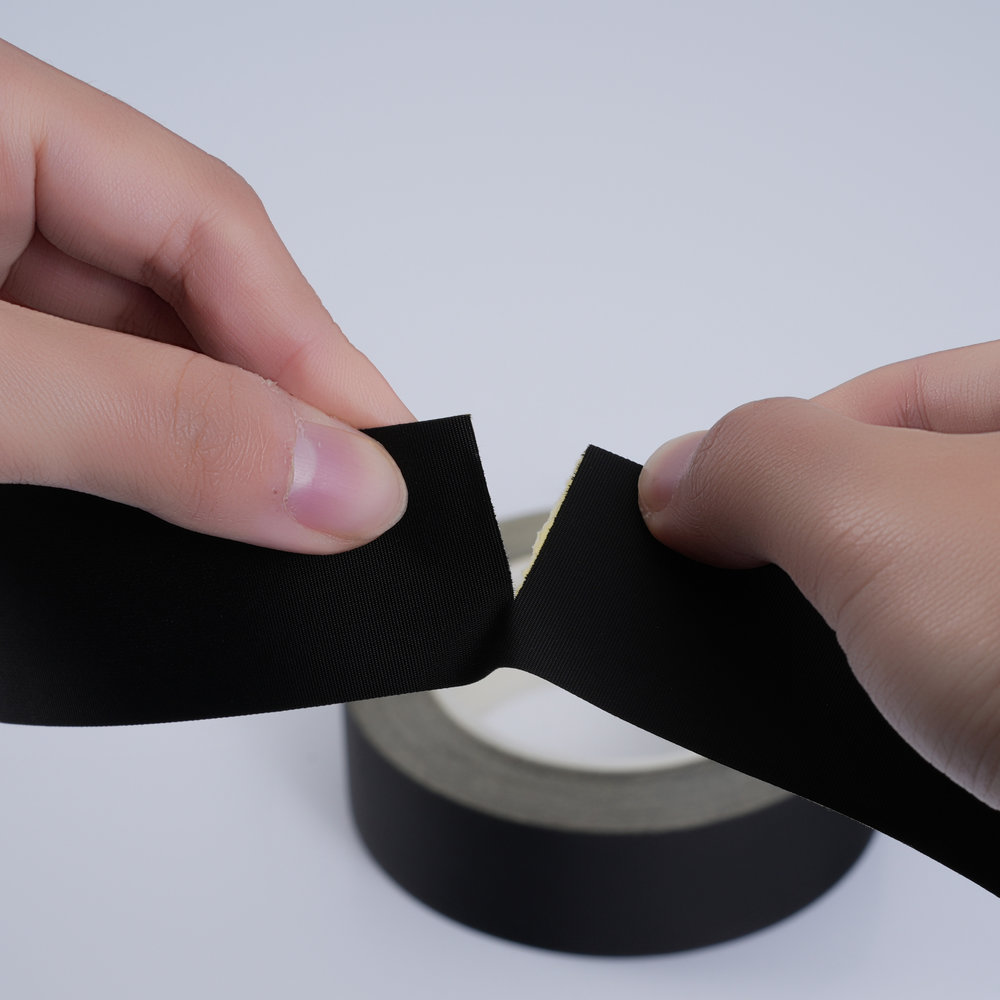
At its core, Acetate Cloth Tape is a composite material. It combines a woven acetate cloth backing with a high-performance acrylic adhesive. Unlike plastic films, the cloth backing provides inherent tear resistance and conformability. The magic, however, lies in its treatment. High-quality variants like the Z0A020-00-B are impregnated with flame-retardant compounds and undergo rigorous testing (such as UL 94) to ensure they don't just insulate—they actively resist combustion.
This makes it fundamentally different from general-purpose tapes. It’s designed not to fail when temperatures rise, maintaining its structural integrity and insulating properties even in demanding environments.
The Critical Benefits That Justify Its Use
Why should design engineers specify Acetate Cloth Tape over cheaper alternatives? The advantages are most apparent in safety-critical scenarios:
- Certified Flame Retardancy: This is its standout feature. With a UL certification, it meets stringent safety standards, meaning it will not propagate a flame and can help contain electrical fires, a non-negotiable requirement in consumer electronics and automotive wiring.
- High-Temperature Endurance: With a typical temperature resistance of around 130°C, it can withstand the heat generated by transformers, motors, and power supplies without delaminating or leaving a sticky residue.
- Exceptional Conformability: The woven fabric construction allows it to contour perfectly around irregular shapes, sharp corners, and tight bundles without lifting, ensuring complete coverage and protection.
- ROHS Compliance: Being free from hazardous substances makes it suitable for modern, environmentally conscious manufacturing processes, particularly in the European market.
Where It Excels: Practical Applications Beyond Simple Taping
This tape is not just for holding wires together; it’s a critical component in system safety. Its primary applications include:
- Transformer and Motor Winding Insulation: Its ability to withstand high temperatures and provide a durable, insulating layer makes it ideal for coil wrapping in power supplies and electric motors.
- Appliance Wire Harness Protection: Inside ovens, heaters, and other high-temperature home appliances, it secures wiring looms while providing a flame-retardant barrier.
- PCB Reinforcement and Masking: Used to secure components or shield areas during conformal coating processes, thanks to its clean removal and high-temperature resistance during soldering operations.
- Automotive Harness Wrapping: In areas of the vehicle where heat and vibration are concerns, it offers a durable, fire-safe alternative to standard tapes.
The Technical Checklist: What to Verify Before Specification
Not all acetate cloth tapes are created equal. When selecting a tape for critical applications, ensure it meets these criteria:
- UL Certification: Confirm the specific model (e.g., Z0A020-00-B) is UL recognized for flame retardancy, not just the base material.
- Adhesive Type: Acrylic adhesives are preferred for high-temperature applications as they offer better aging characteristics and less oozing compared to rubber-based alternatives.
- Thickness and Width: Ensure the tape’s dimensions (e.g., 0.20mm thickness) are suitable for your bundling needs, especially for fine wire harnesses.
- Shelf Life: Check the manufacturer’s recommended shelf life (typically 6-12 months) to ensure material performance upon use.
When to Consider Alternative Solutions
Despite its strengths, Acetate Cloth Tape may not be the perfect solution for every scenario. Consider other options if:
- Extreme Chemical Exposure is Expected: If the environment involves constant exposure to strong solvents or oils, a specialized chemical-resistant tape might be necessary.
- You Require Extreme Flexibility: For wiring that undergoes constant, dynamic flexing (like robotics), a specialty flexible vinyl or PU tape might offer better longevity.
- Cost is the Primary Driver: For non-critical, low-temperature indoor applications, a standard PVC electrical tape will be more cost-effective.
RELATED NEWS
Read More >>
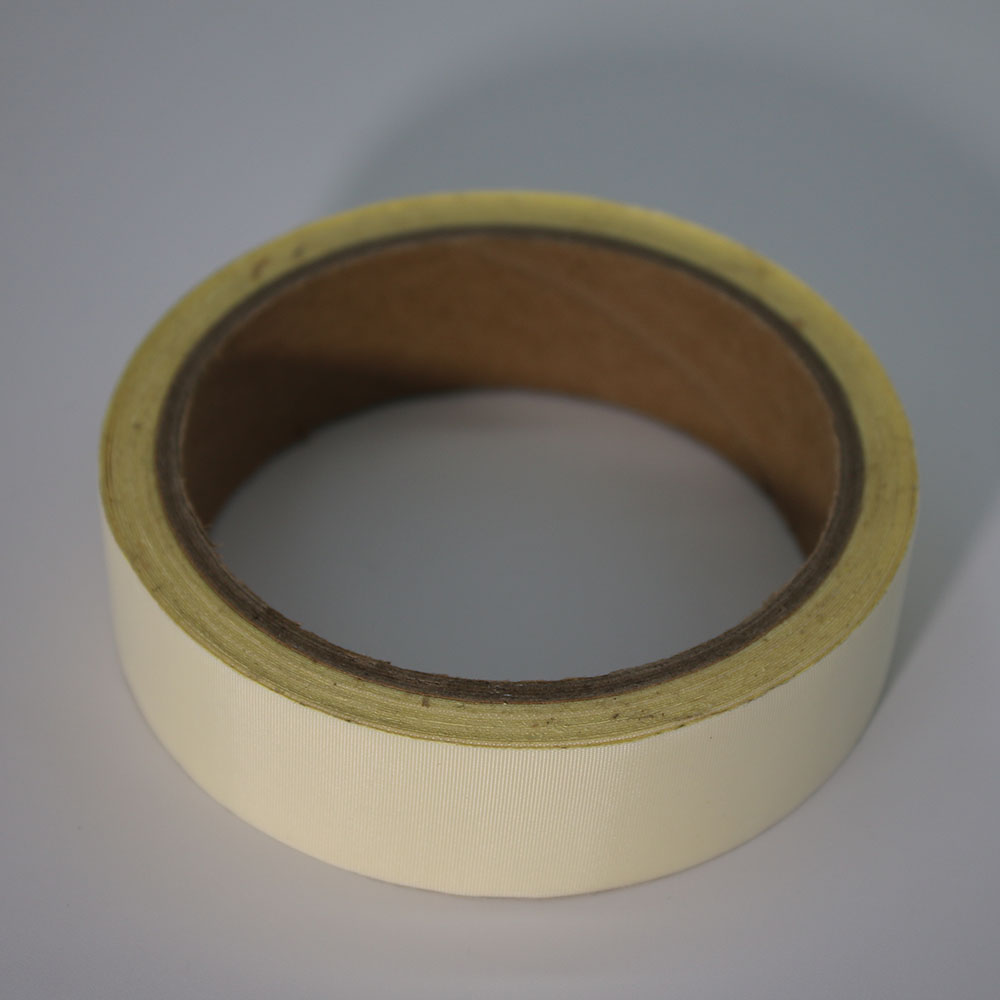 Can a Multi-Layer Nylon Cloth Tape with Optional Aluminum Foil Backing Really Bundle Hot-Engine Wiring and Absorb Minor Vibration in One Wrap
07-03 2026
In engine-bay wiring, robotics cable carriers, and industrial control cabinets, a single-function vinyl electrical tape often fails — it softens above 80°C, the adhesive oozes in summer heat, and it o
 Can a Laser Inkjet and Thermal Transfer Compatible Printable Adhesive Label Tape Really Survive Warehouse Scuffs and Freezer Storage While Staying Scannable
07-03 2026
In logistics centers, labs, automotive parts depots, and even home office archives, the weakest link in an asset-tracking system is often the label itself — ink smears from handling, adhesive lifts in
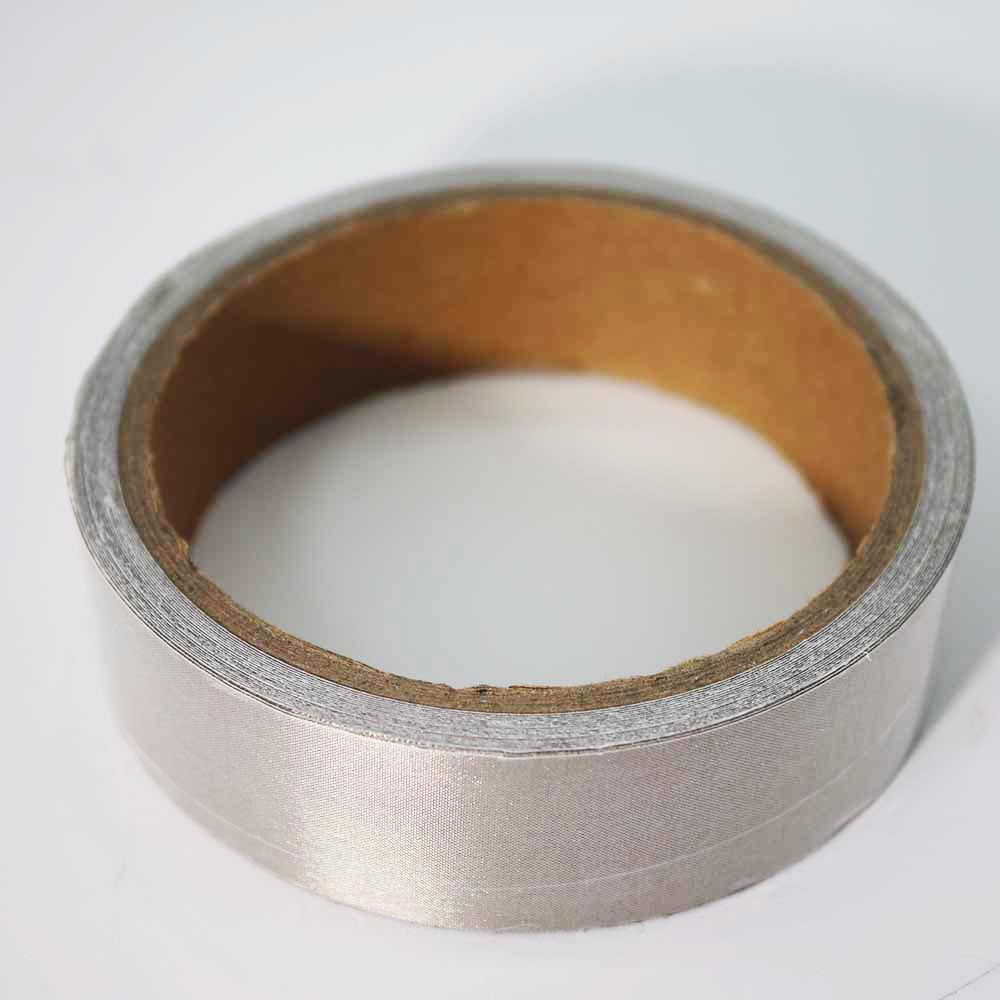 Does Double-Sided Conductive Fabric Tape Actually Replace Traditional EMI Gaskets in Compact Electronics?
06-23 2026
Inside smartphones, tablets, and IoT modules, the space between a PCB and the metal housing is often measured in millimeters. Traditional EMI gaskets — thick beryllium-copper finger stocks or molded e
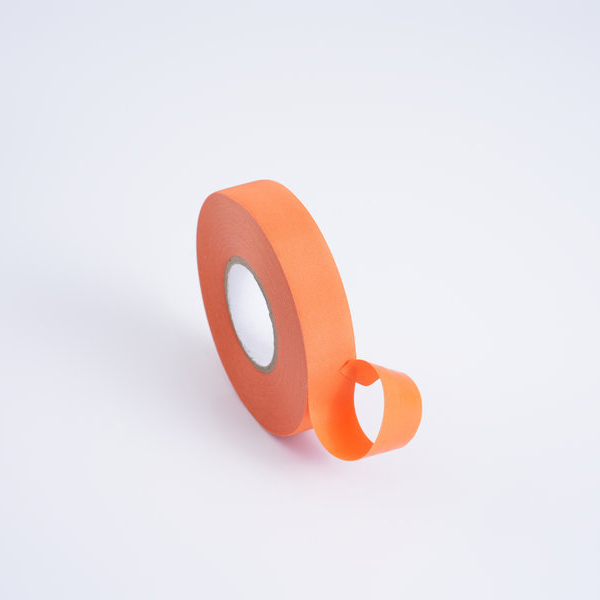 Will a Flame-Retardant Orange Fabric Wire Harness Tape Withstand 150 degrees Under the Hood Without Leaving Residue?
06-23 2026
In engine bay wiring, the two things that destroy a standard vinyl electrical tape are heat and oil splash. Above 80–90°C, cheap PVC softens, the rubber adhesive liquefies, and you get a sticky, condu
 Can a Single Light-Blocking Tape Replace Multiple Shielding Layers in Display Assembly?
06-10 2026
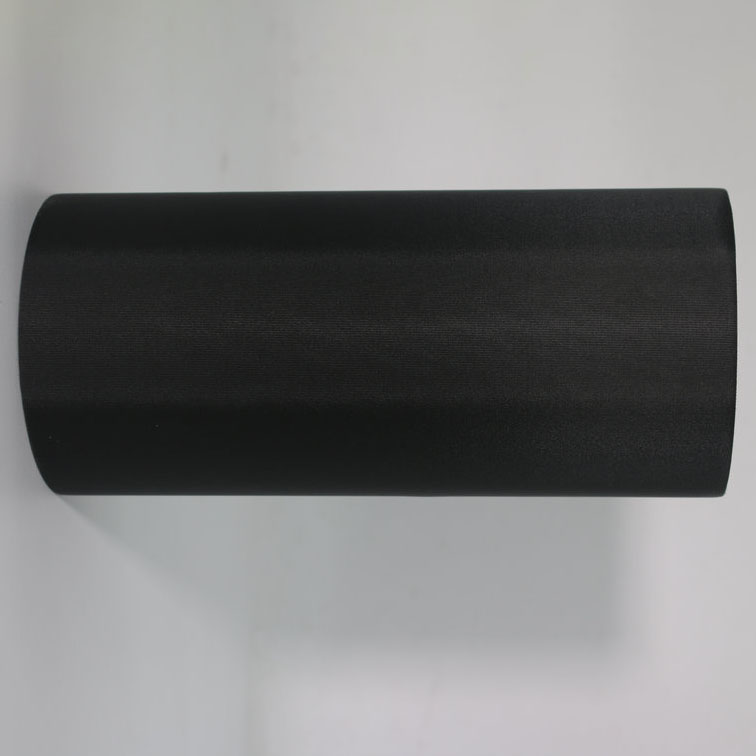
The Light-Blocking Tape Model L020-193 for Display and Optical Shielding is designed to consolidate these functions into a single, high-performance adhesive solution. With multiple substrate options—
 Can a 0.05mm Light Blocking Tape Really Deliver 99.9 percent Blackout for Sensitive Optics?
06-10 2026
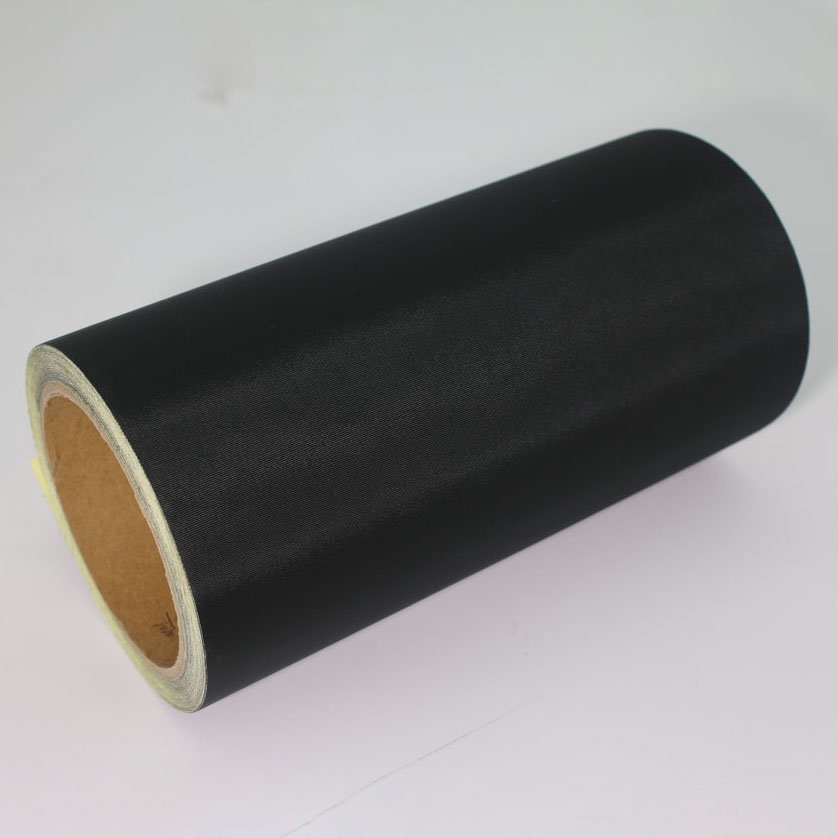
The Light Blocking Tape Model L012-193 for Optical and Electronic Blackout offers a radically simpler approach: an ultra-thin, high-tack adhesive tape that blocks 99.9% of visible light while adding
 Is Acetate Cloth Tape the Ultimate Flame-Retardant Solution for Electrical Insulation?
05-30 2026
This has pushed engineers toward specialized materials like Acetate Cloth Tape, specifically models like the Z0A020-00-B. But does this UL-certified, flame-retardant tape offer the robust protection i
 Why High-Temperature Orange Automotive Wire Harness Tape is the Smart Choice for High-Heat Engine Bays
05-30 2026
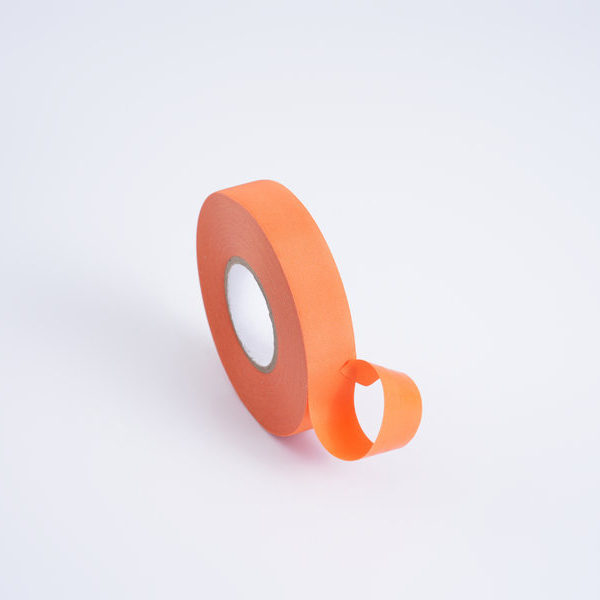
In complex wiring systems, it allows for quick visual identification of specific circuits (e.g., high-voltage systems in EVs, safety-critical circuits, or aftermarket additions), reducing diagnostic t
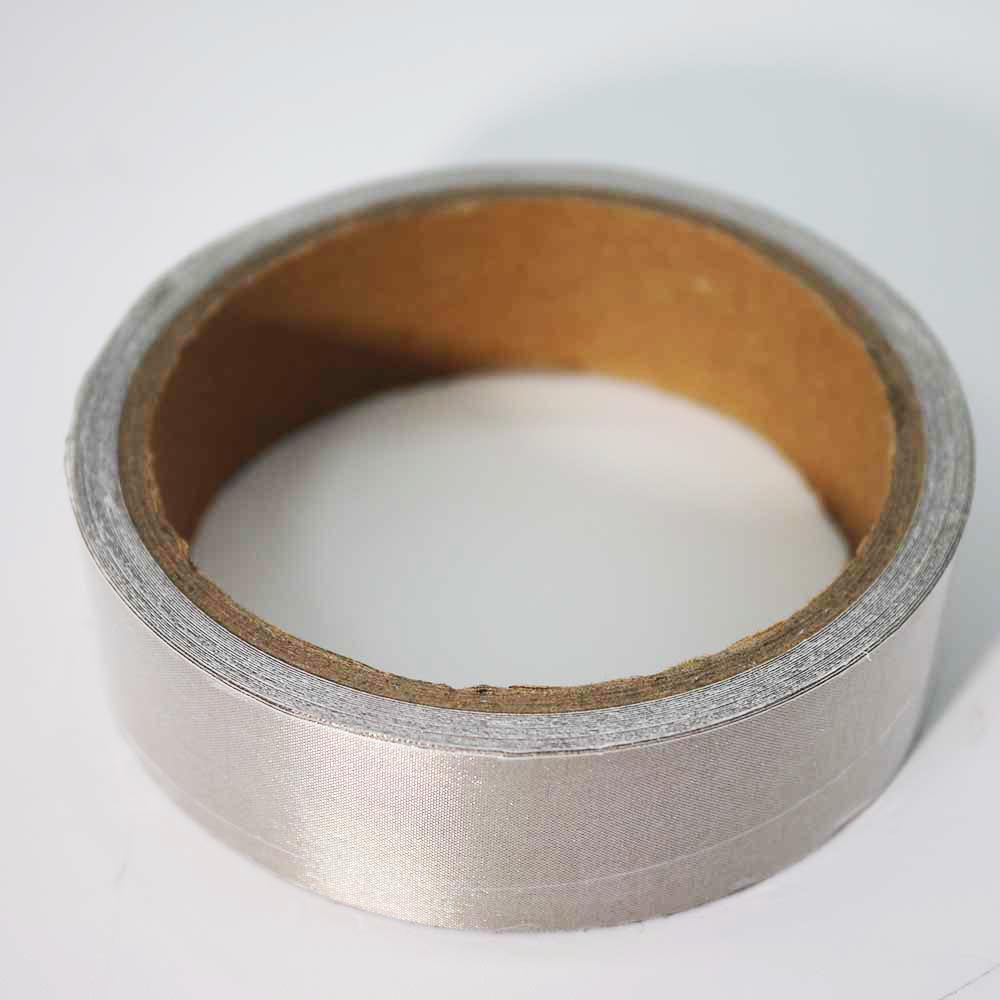 Can Double-Sided Conductive Fabric Tape Replace Traditional EMI Gaskets?
05-21 2026
This has led to the rise of Double-Sided Conductive Fabric Tape—a flexible, adhesive-based solution that promises to simplify design while maintaining performance. But can a simple tape truly replace
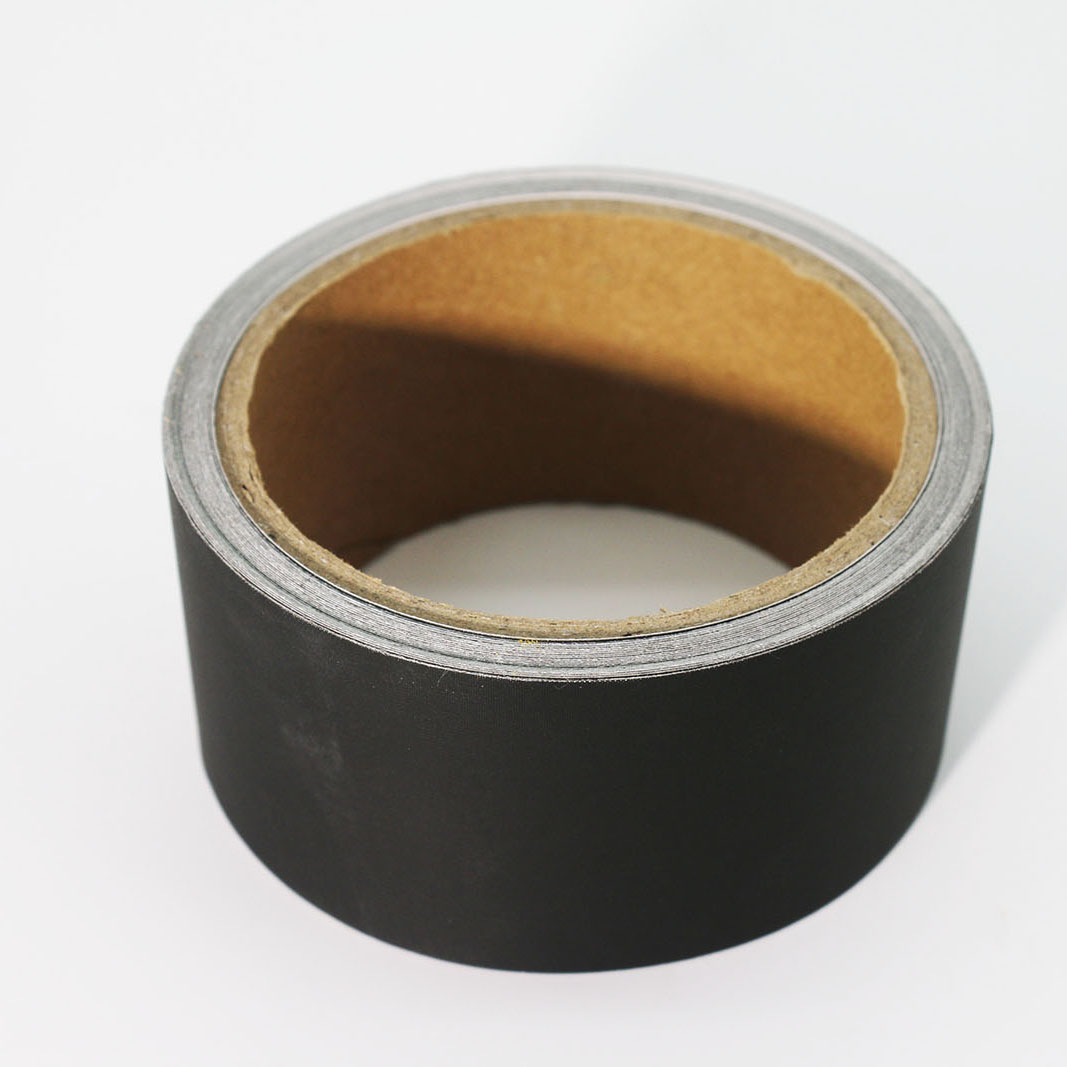 Why Black Conductive Fabric Tape is the Go-To for Light-Sensitive Electronics
05-21 2026
This is where Black Coated Conductive Fabric Tape steps in—a specialized material that combines the opacity of a light seal with the functionality of an EMI shield. But what specific problems does it