
Is Nylon Cloth Tape the Ultimate Heavy-Dust and Abrasion Shield for Industrial Wiring?
Update time : 2026-05-12
The Overlooked Enemy of Industrial Equipment
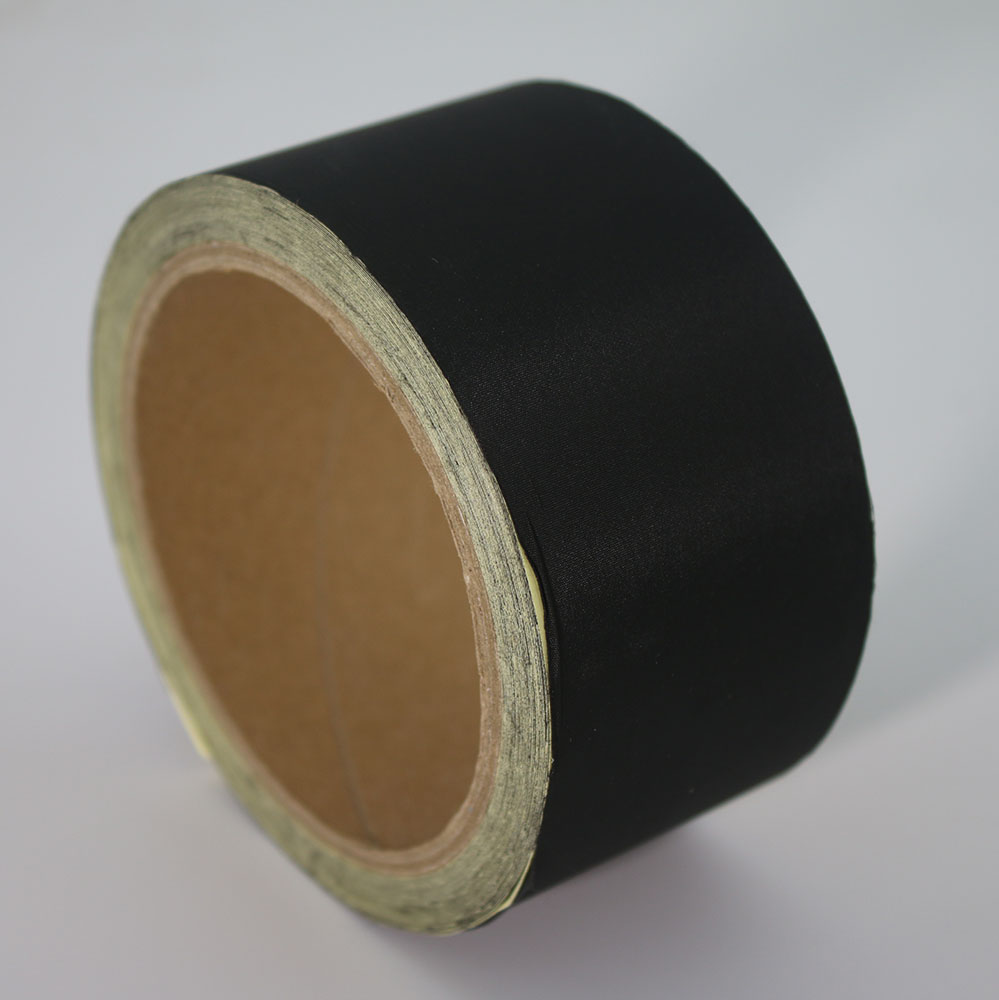
In harsh industrial environments—think manufacturing plants, automotive assembly lines, or heavy machinery—wires and hoses face a constant, grinding threat that isn't always electrical: abrasion. While flame retardancy and EMI shielding get most of the attention, the simple act of wires rubbing against sharp metal edges or being blasted by airborne particulates can lead to catastrophic failures. Standard PVC or cheap cloth tapes quickly wear through, exposing conductors. This is where Nylon Cloth Tape (like Model P012-193) steps in. But is it truly the best defense against mechanical wear, or just another over-engineered solution?
What Makes Nylon Cloth Tape a "Heavy-Duty" Material?
Nylon cloth tape isn't just adhesive with fabric on it; it's an engineered composite designed for punishment. Unlike standard electrical tapes, its strength comes from its core structure:
- The Backbone: The base is a woven nylon fabric. Nylon is renowned for its high tensile strength and exceptional resistance to tearing and puncturing. This gives the tape its signature durability that plastic films simply can't match.
- The Grip: It's typically coated with a high-performance acrylic or rubber-based adhesive. This combination creates a tape that doesn't just stick—it holds under stress, vibration, and temperature fluctuations.
The result is a tape that acts less like a wrap and more like a protective exoskeleton for whatever it covers.
The Critical Advantages in Hostile Environments
Why choose nylon cloth over other industrial tapes? The benefits are tangible in real-world applications:
- Superior Abrasion Resistance: This is its primary function. The tough nylon fibers can withstand constant rubbing against rough surfaces, protecting underlying wire insulation from being worn away. This is critical for cables running through conduits or across machinery frames.
- High-Temperature Endurance: With a temperature resistance often rated up to 140°C, it thrives in environments where standard tapes would melt or lose their grip. This makes it indispensable near engines, motors, and hot pipes.
- Tensile Strength for Bundling: Its high tensile strength allows it to be pulled tight for secure bundling of heavy wire harnesses or hydraulic hoses without stretching and snapping like thinner tapes.
- Conformability: Despite its strength, the woven fabric allows it to conform to irregular shapes and tight bends, ensuring full coverage on complex assemblies.
Where It Truly Outperforms the Competition
There are specific scenarios where nylon cloth tape is the undisputed champion:
- Automotive Wire Harnesses: Under the hood, wires are exposed to heat, oil, and constant vibration. Nylon tape secures these harnesses while providing a layer of protection against chafing on sharp body panels.
- Heavy Machinery Cable Tracks: In CNC machines or robotic arms, cables are in constant motion. Nylon tape's abrasion resistance prevents premature failure in these high-wear applications.
- Temporary Repairs: Its strength and water resistance make it a go-to for emergency fixes on hoses, pipes, and equipment guards in the field, holding until a permanent repair can be made.
The Trade-Offs: When Not to Use It
No material is perfect for every job. Understanding its limitations is key to proper application:
- Not a Primary Insulator: While it offers some dielectric strength, nylon cloth tape should not be relied upon as the sole electrical insulation for high-voltage applications. It is primarily a mechanical protector.
- Cost and Stiffness: It is more expensive than standard PVC tape and less flexible. For simple, low-stress wire bundling in a clean cabinet, it might be overkill.
- Surface Residue: Some rubber-based adhesive variants can leave a residue upon removal, which may be a concern for applications requiring clean rework.
Application Tips for Maximum Performance
To get the most out of nylon cloth tape, technique matters:
- Clean and Dry: Ensure the surface is free of oil, dust, and moisture. A dirty surface is the leading cause of adhesive failure.
- Overlap Properly: When wrapping, use a 50% overlap to create a continuous, uniform layer of protection without weak spots.
- Stretch for Tightness: Apply with a slight stretch to activate the adhesive and create a tight, secure bundle that won't loosen under vibration.
The Verdict: An Essential Tool for Mechanical Protection
Nylon Cloth Tape is not a general-purpose tape for every electrical task. However, for engineers and maintenance professionals battling abrasion, high temperatures, and mechanical stress, it is an indispensable solution. It successfully bridges the gap between simple adhesion and robust physical protection. When your wiring needs a shield against the grind of industrial life, nylon cloth tape is a proven and reliable choice.
RELATED NEWS
Read More >>
 Does Double-Sided Conductive Fabric Tape Actually Replace Traditional EMI Gaskets in Compact Electronics?
06-23 2026
Inside smartphones, tablets, and IoT modules, the space between a PCB and the metal housing is often measured in millimeters. Traditional EMI gaskets — thick beryllium-copper finger stocks or molded e
 Will a Flame-Retardant Orange Fabric Wire Harness Tape Withstand 150 degrees Under the Hood Without Leaving Residue?
06-23 2026
In engine bay wiring, the two things that destroy a standard vinyl electrical tape are heat and oil splash. Above 80–90°C, cheap PVC softens, the rubber adhesive liquefies, and you get a sticky, condu
 Can a Single Light-Blocking Tape Replace Multiple Shielding Layers in Display Assembly?
06-10 2026
The Light-Blocking Tape Model L020-193 for Display and Optical Shielding is designed to consolidate these functions into a single, high-performance adhesive solution. With multiple substrate options—
 Can a 0.05mm Light Blocking Tape Really Deliver 99.9 percent Blackout for Sensitive Optics?
06-10 2026
The Light Blocking Tape Model L012-193 for Optical and Electronic Blackout offers a radically simpler approach: an ultra-thin, high-tack adhesive tape that blocks 99.9% of visible light while adding
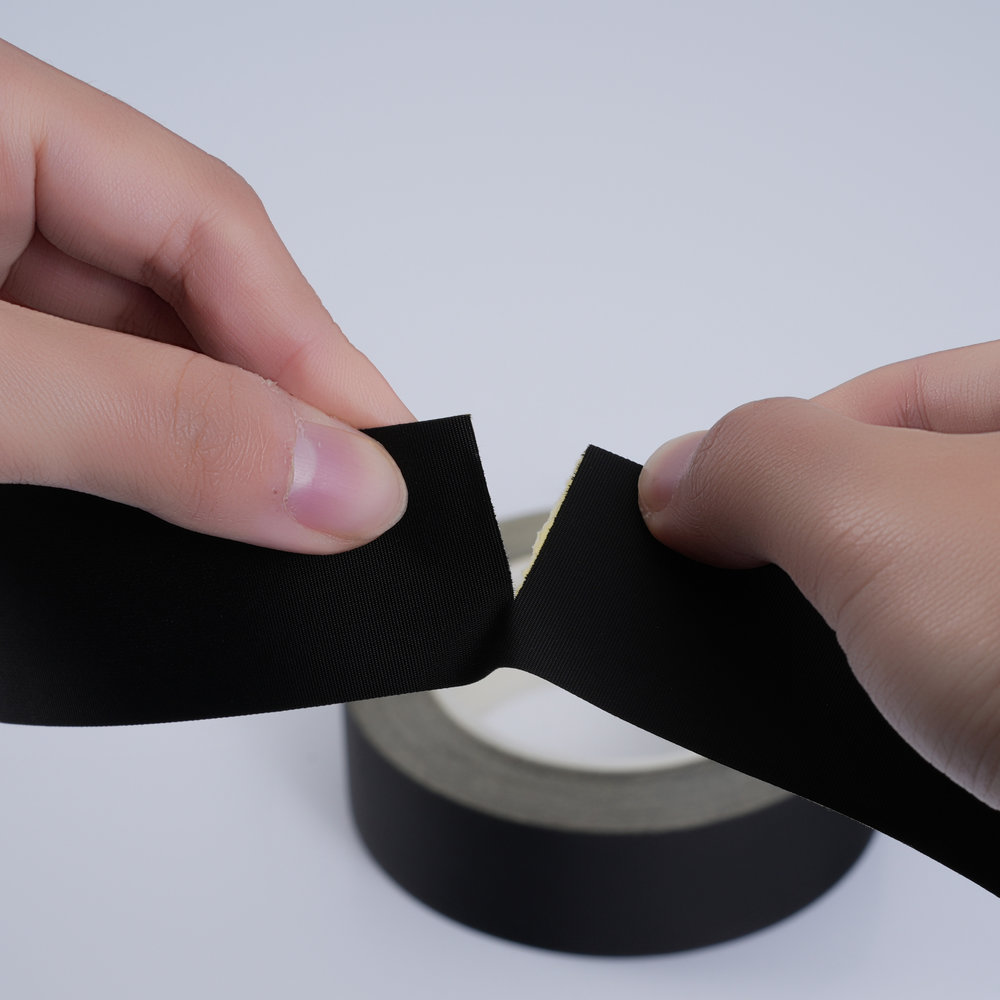 Is Acetate Cloth Tape the Ultimate Flame-Retardant Solution for Electrical Insulation?
05-30 2026
This has pushed engineers toward specialized materials like Acetate Cloth Tape, specifically models like the Z0A020-00-B. But does this UL-certified, flame-retardant tape offer the robust protection i
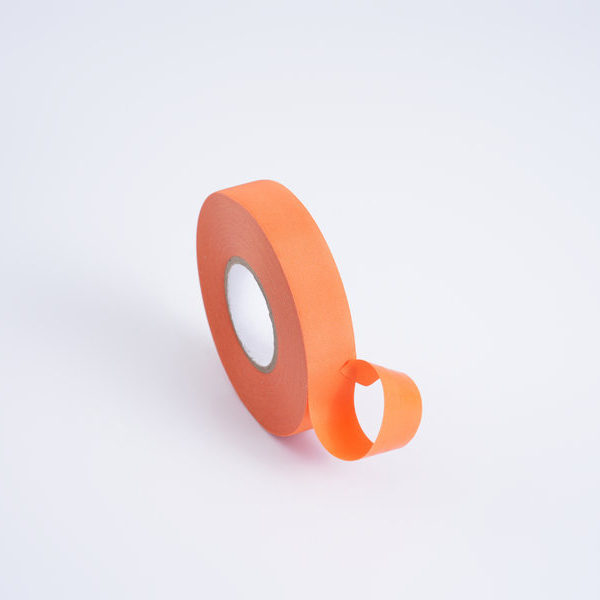 Why High-Temperature Orange Automotive Wire Harness Tape is the Smart Choice for High-Heat Engine Bays
05-30 2026
In complex wiring systems, it allows for quick visual identification of specific circuits (e.g., high-voltage systems in EVs, safety-critical circuits, or aftermarket additions), reducing diagnostic t
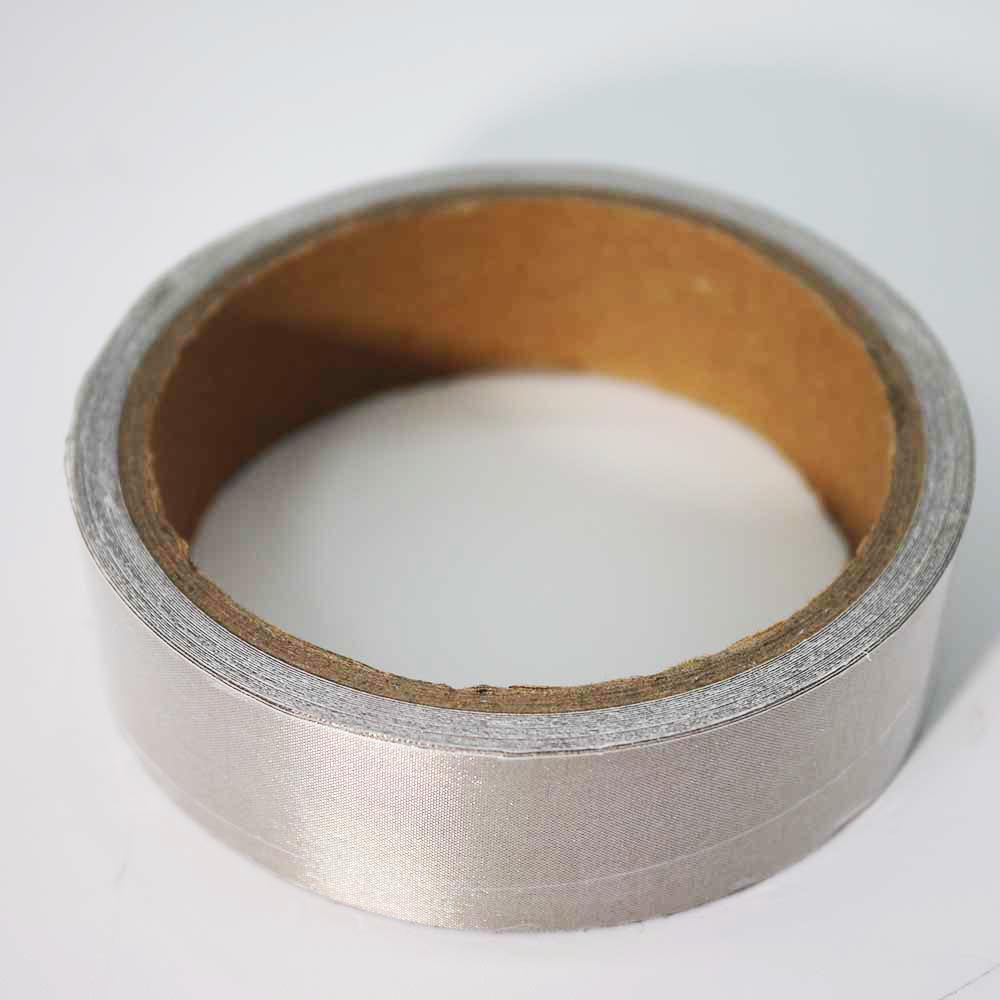 Can Double-Sided Conductive Fabric Tape Replace Traditional EMI Gaskets?
05-21 2026
This has led to the rise of Double-Sided Conductive Fabric Tape—a flexible, adhesive-based solution that promises to simplify design while maintaining performance. But can a simple tape truly replace
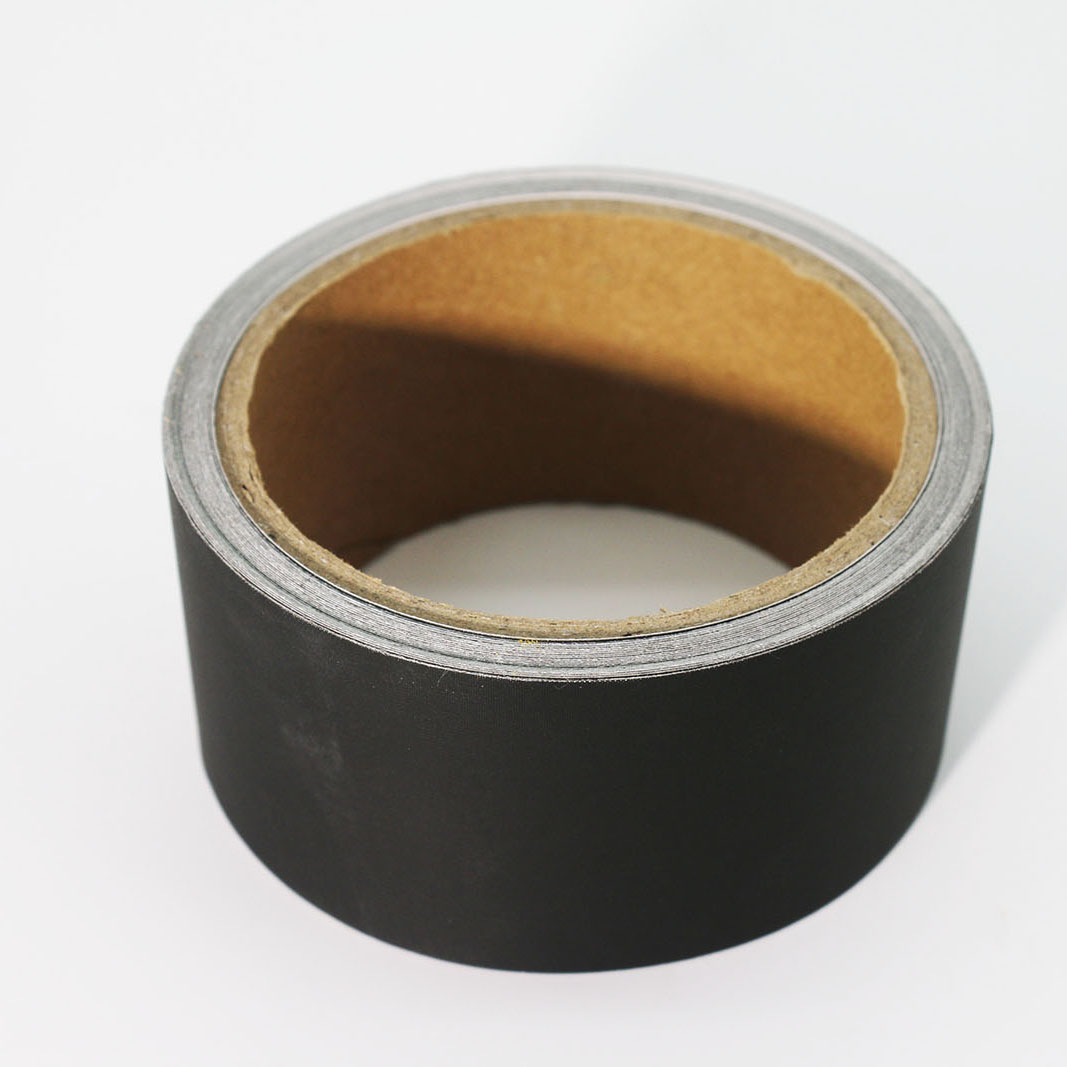 Why Black Conductive Fabric Tape is the Go-To for Light-Sensitive Electronics
05-21 2026
This is where Black Coated Conductive Fabric Tape steps in—a specialized material that combines the opacity of a light seal with the functionality of an EMI shield. But what specific problems does it
 Is Nylon Cloth Tape the Ultimate Heavy-Dust and Abrasion Shield for Industrial Wiring?
05-12 2026
This is where Nylon Cloth Tape (like Model P012-193) steps in. But is it truly the best defense against mechanical wear, or just another over-engineered solution?
 Does Double-Sided Conductive Fabric Tape Actually Solve EMI and ESD Grounding?
05-12 2026
Enter Double-Sided Conductive Fabric Tape—a flexible, adhesive-backed material that promises to shield and ground with the simplicity of a sticker. But does this high-tech tape actually deliver on its