
How Conductive Cloth Tape Improves Electronic Shielding and EMI Protection
In today’s digital world, everything from your smartphone to your car’s navigation system relies on electronic stability. But behind the sleek design and smooth performance lies a quiet guardian — conductive cloth tape. You might not see it, but it plays a huge role in keeping our devices safe from invisible enemies like electromagnetic interference (EMI). Let’s take a closer look at how it really improves electronic shielding and EMI protection.
1. Understanding EMI: The Hidden Enemy of Electronics
Electromagnetic interference happens when electrical signals from one device affect another. It’s like noise that disturbs your favorite song — unwanted, annoying, and sometimes harmful.
Everyday devices such as Wi-Fi routers, Bluetooth headsets, and microwave ovens all emit electromagnetic waves. When these overlap, they can cause your phone to drop calls, your display to flicker, or your speakers to buzz. In critical industries like aerospace or automotive, EMI can even lead to system errors — not a good thing at all.
That’s where conductive cloth tape comes in, offering a simple yet powerful way to shield sensitive components.
2. How Conductive Cloth Tape Works in Shielding
Conductive cloth tape combines a conductive fabric base (like copper- or nickel-coated polyester) with an electrically conductive adhesive. When applied to surfaces inside a device, it creates a continuous conductive layer that blocks external electromagnetic fields.
This layer acts as a protective wall, reflecting or absorbing EMI so it doesn’t reach the circuit underneath. Basically, it keeps electronic signals clean and stable.
Engineers love it because it’s flexible, easy to cut, and adheres perfectly to complex shapes — whether it’s around smartphone batteries, cables, or computer boards.
3. EMI Protection in Real Applications
Let’s make it more concrete. Here are just a few real-life uses of conductive cloth tape:
-
Mobile phones: Prevents signal interference between Wi-Fi and LTE antennas.
-
Laptops and computers: Reduces electrical noise between the motherboard and display connections.
-
Automotive electronics: Shields sensors, cameras, and entertainment systems from static and EMI.
-
Home appliances: Stabilizes circuits in televisions, refrigerators, and air conditioners.
So yeah, it’s basically everywhere — quietly working behind the scenes to ensure everything runs smoothly.
4. Why Engineers Choose Conductive Cloth Tape Over Metal Foil
Sure, metal foil tapes (like copper foil) also block EMI, but they have limitations. Conductive cloth tape is lighter, more flexible, and easier to apply. It doesn’t tear easily and conforms to curves or corners, which is ideal for compact modern electronics.
Moreover, high-quality tapes — such as those produced by Anhui Yijiayi Technology Co., Ltd. — have strong adhesive strength and long-term conductivity even under heat and humidity. And honestly, that’s something not all tapes can handle.
5. Enhancing Safety and Durability
By improving EMI shielding, conductive cloth tape not only protects electronic performance but also extends product lifespan. Consistent grounding reduces static buildup, lowering the risk of short circuits and fire hazards.
For manufacturers, this means fewer product failures and better compliance with international safety standards. For consumers, it simply means your devices last longer and perform better. Win-win, right?
6. Sustainable and Customizable Solutions
Modern conductive cloth tapes are designed with eco-friendly materials and customized coating formulas to meet diverse industrial needs. Yijiayi offers options with varying conductivity, adhesive strength, and thickness — so whether it’s for a smartphone factory or a car assembly line, there’s a perfect match.
And to be honest, that level of flexibility is what makes this material stand out in the competitive electronics world.
Conductive cloth tape might not look like a big deal, but it’s one of the most important materials in modern electronic shielding. It ensures reliability, safety, and sustainability in every piece of technology we use daily.
As a trusted China conductive cloth tape manufacturer, Anhui Yijiayi Technology Co., Ltd. continues to innovate and supply global customers with high-performance, eco-friendly, and customizable EMI protection solutions.
 Is Acetate Cloth Tape the Ultimate Flame-Retardant Solution for Electrical Insulation?
 Why High-Temperature Orange Automotive Wire Harness Tape is the Smart Choice for High-Heat Engine Bays
 Can Double-Sided Conductive Fabric Tape Replace Traditional EMI Gaskets?
 Why Black Conductive Fabric Tape is the Go-To for Light-Sensitive Electronics
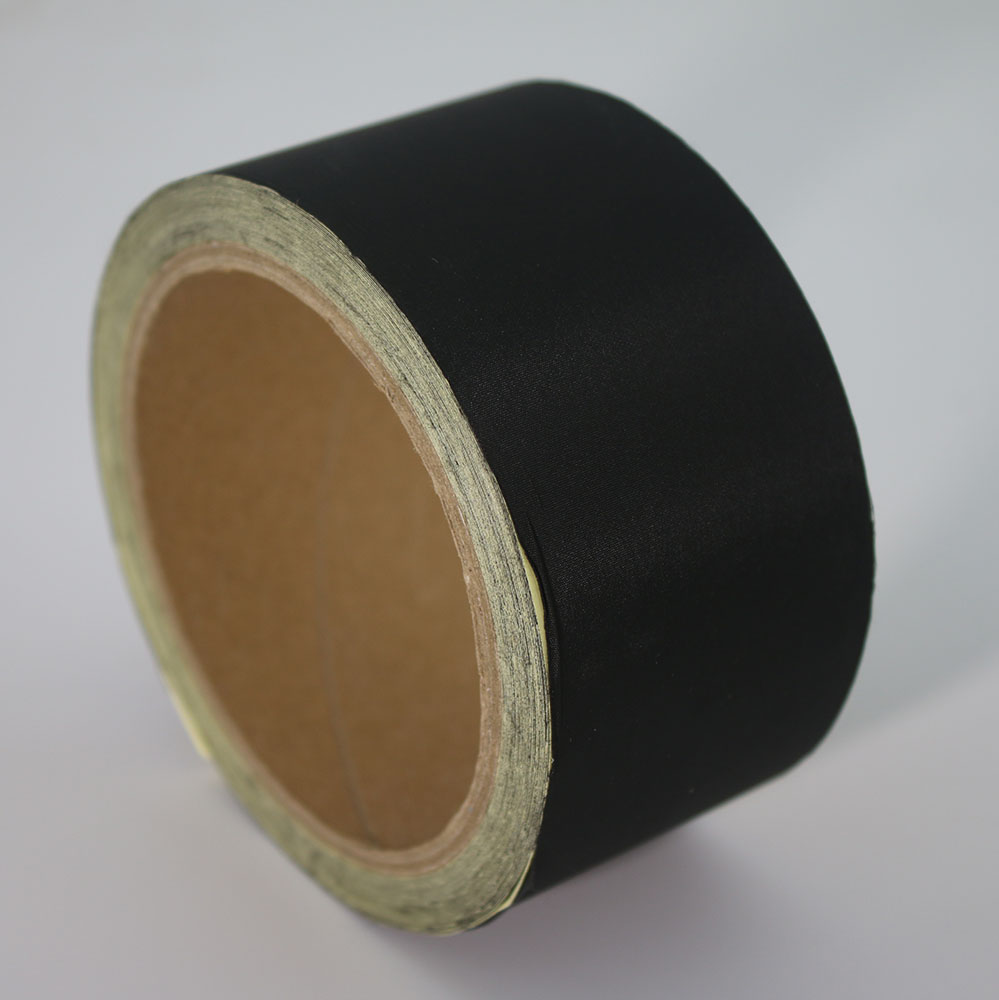 Is Nylon Cloth Tape the Ultimate Heavy-Dust and Abrasion Shield for Industrial Wiring?
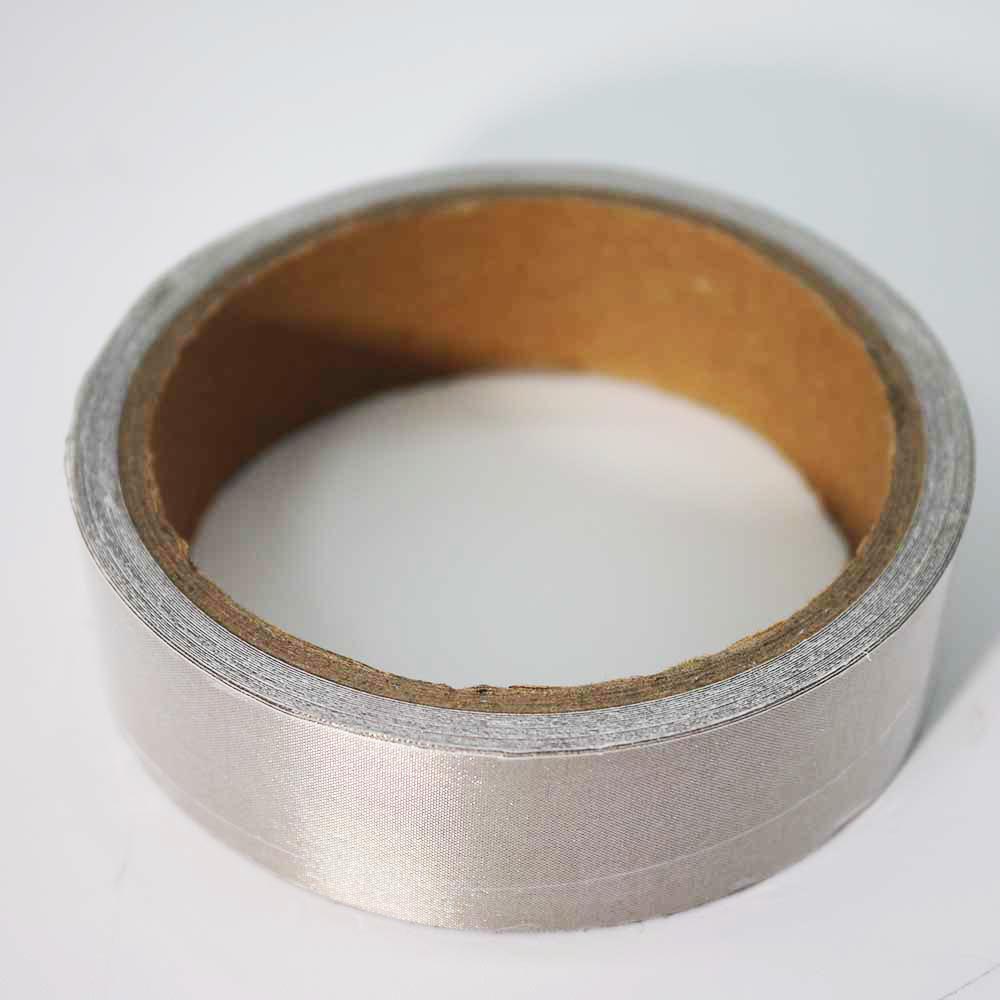 Does Double-Sided Conductive Fabric Tape Actually Solve EMI and ESD Grounding?
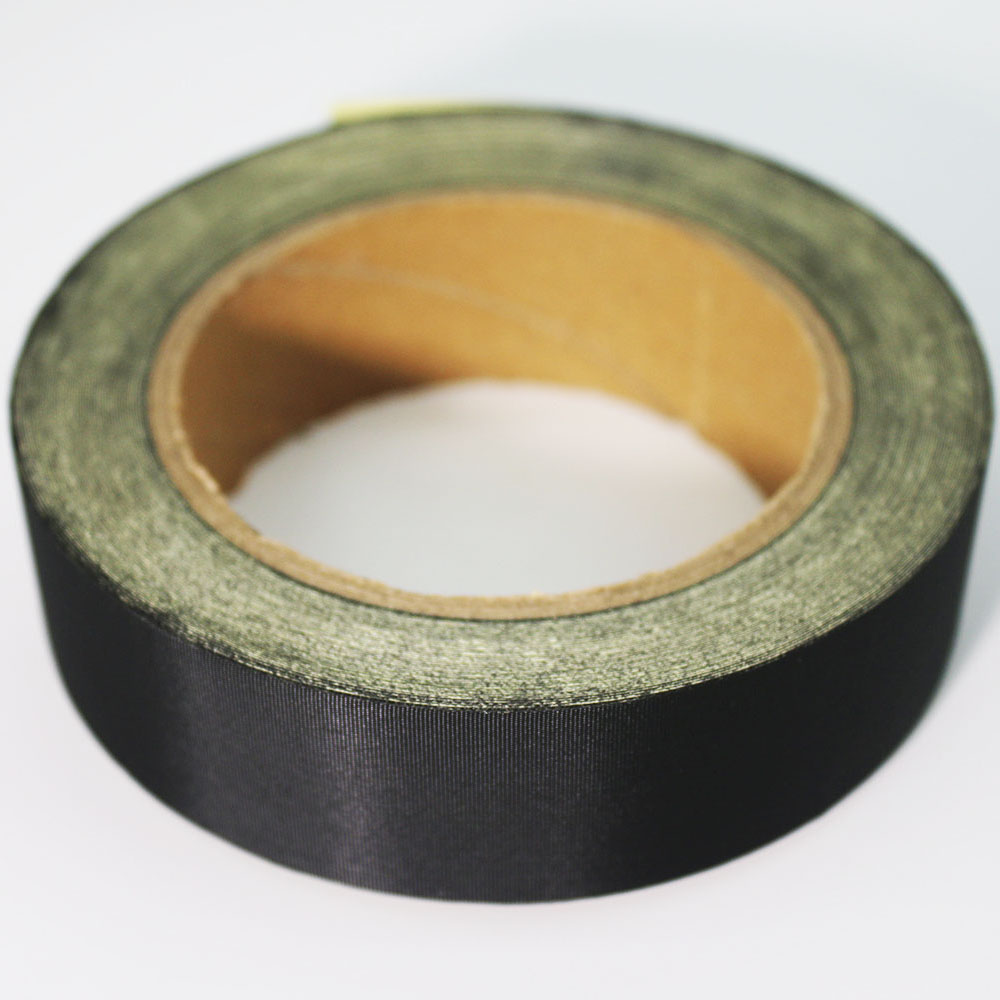 Can Flame Retardant Acetate Cloth Tape Really Stop Electrical Fires?
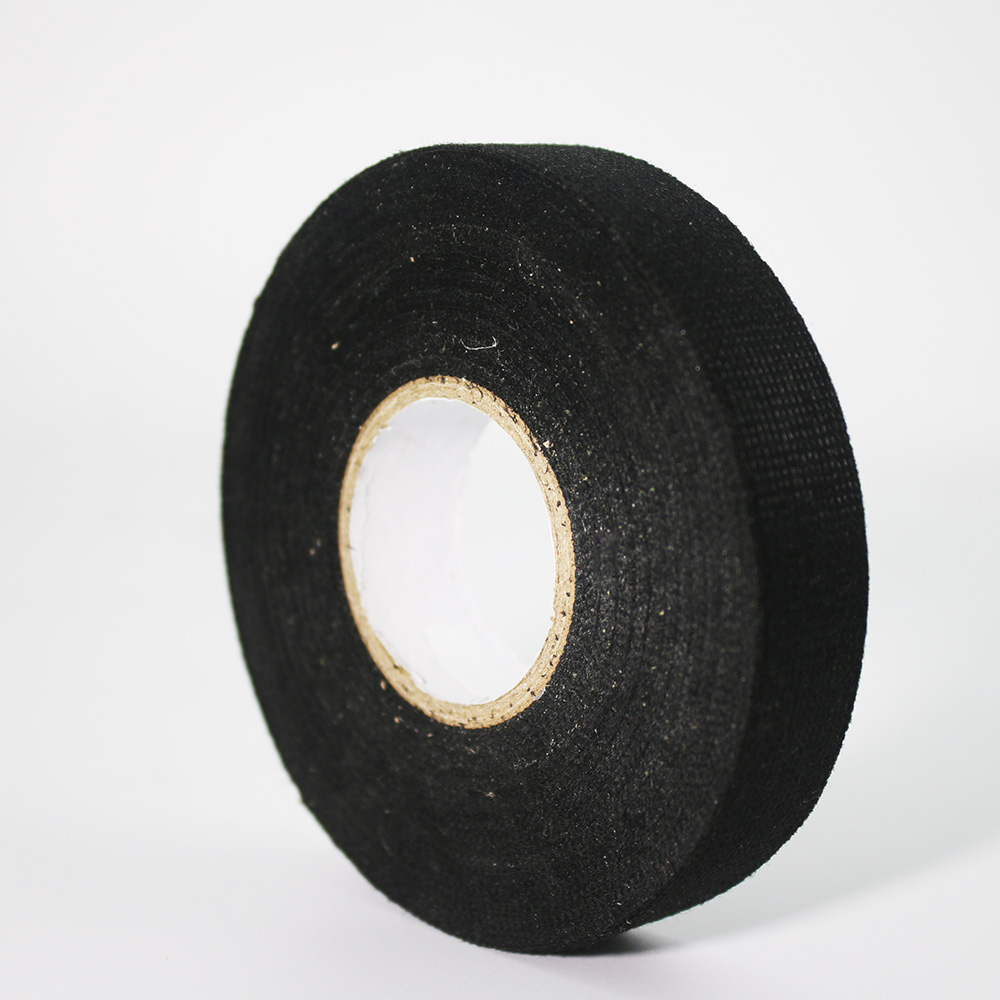 Does Automotive Fleece Tape Really Eliminate Wire Harness Noise?
 How to Choose Electrical Tape Based on Adhesive Technology
 Common Adhesive Failures in Industrial Electrical Tapes