
5 Practical Uses for Conductive Cloth Tape in Everyday Electronics
When it comes to solving EMI problems or improving electrical conductivity in devices, Conductive Cloth Tape is one of the most practical materials you can rely on. Whether you’re an engineer, a repair technician, or simply a DIY enthusiast, this versatile tape offers simple yet powerful solutions for electronic and electrical applications. Let’s explore five practical ways to use conductive cloth tape and how it can make your projects easier.
1. Shielding Against Electromagnetic Interference (EMI)
One of the most common uses of conductive cloth tape is EMI shielding. When electronic components are placed close together, electromagnetic interference can cause signal distortion or malfunction. Applying conductive cloth tape around cables or enclosures helps reduce these interferences effectively. Its high conductivity and durable adhesive layer ensure a reliable barrier against unwanted signals.
2. Grounding and Electrical Continuity
Conductive cloth tape provides an easy way to establish ground connections without soldering. You can simply stick the tape on metal surfaces or PCB edges to create an instant conductive path. This feature is especially useful in prototypes or temporary setups where grounding is required but permanent solutions aren’t yet installed.
3. Repairing and Reinforcing Circuit Paths
Sometimes, a small break in a conductive path can cause a big headache. Conductive cloth tape is a quick fix for minor circuit repairs. Instead of replacing the whole cable or board, you can apply the tape to reconnect the circuit. It’s flexible and thin enough to fit tight spaces, yet strong enough to maintain conductivity.
4. Enhancing the Internal Structure of Devices
In modern electronics, compact design is everything. Conductive cloth tape helps maintain both mechanical stability and electrical performance. It’s commonly used inside laptops, smartphones, and LCD panels to secure and connect components, while minimizing signal loss. Plus, its soft cloth texture reduces wear between parts.
5. Preventing Static and Improving Safety
Static electricity can easily damage sensitive electronic components. Conductive cloth tape helps dissipate static charge, keeping your devices safe from electrostatic discharge (ESD). Whether used in workshops, manufacturing lines, or home repairs, it’s a must-have material for anyone handling electronic assemblies.
Wrapping Up
Conductive cloth tape might look simple, but it plays a crucial role in the world of electronics. From shielding to grounding and ESD protection, its versatility makes it an essential tool for engineers and technicians alike. If you’re working on electrical projects and haven’t tried it yet — well, maybe it’s time you do!
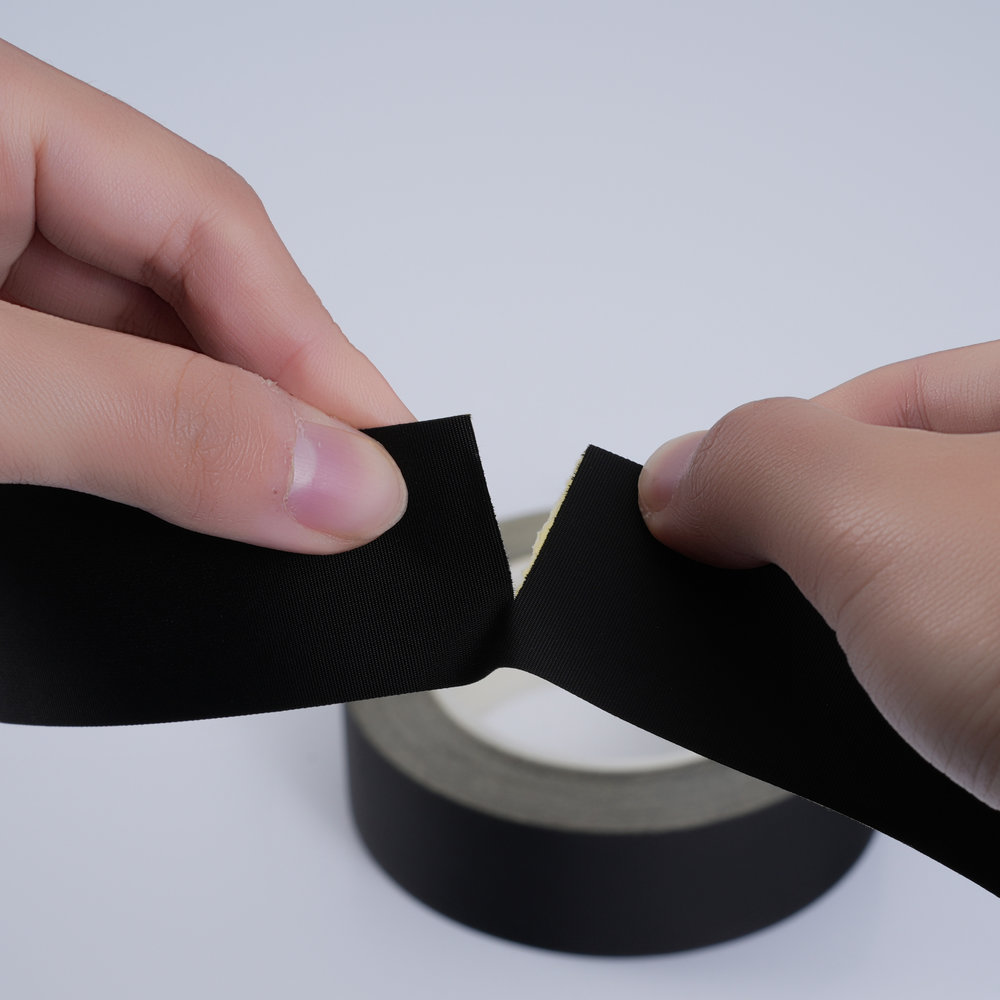 Is Acetate Cloth Tape the Ultimate Flame-Retardant Solution for Electrical Insulation?
 Why High-Temperature Orange Automotive Wire Harness Tape is the Smart Choice for High-Heat Engine Bays
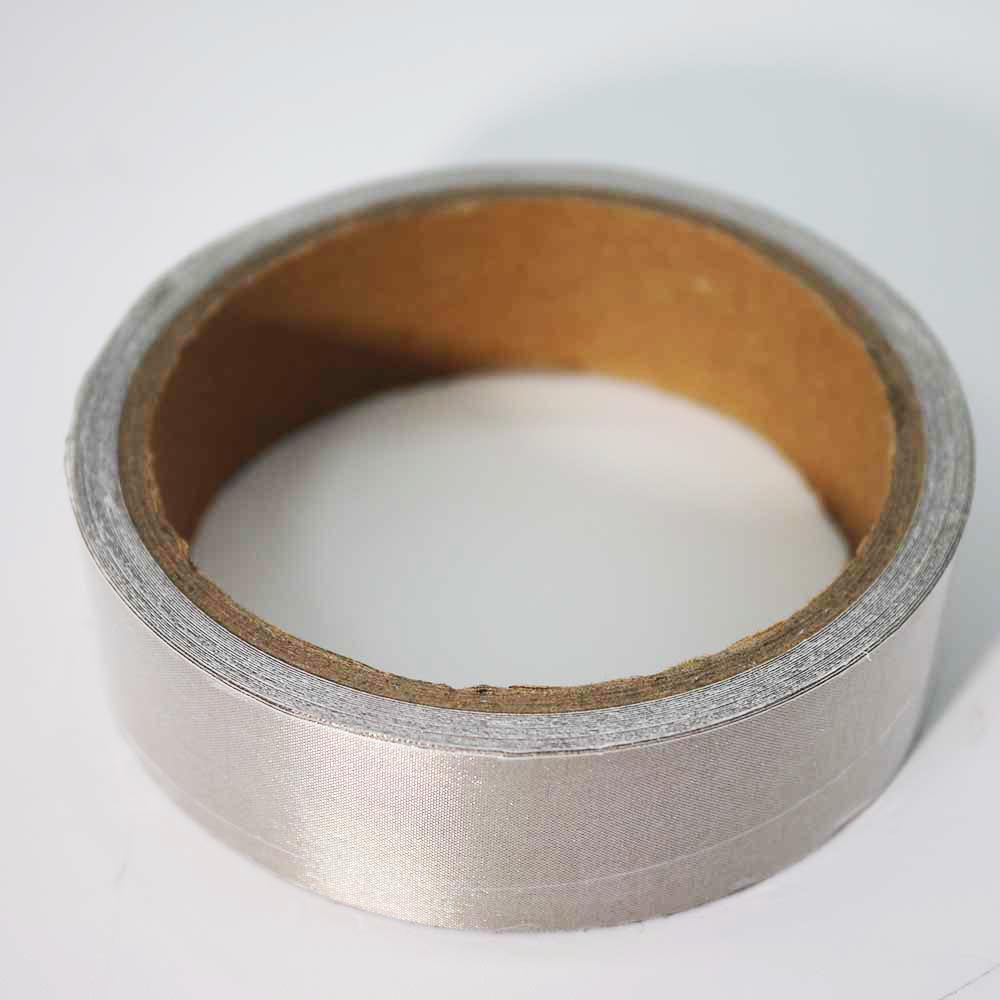 Can Double-Sided Conductive Fabric Tape Replace Traditional EMI Gaskets?
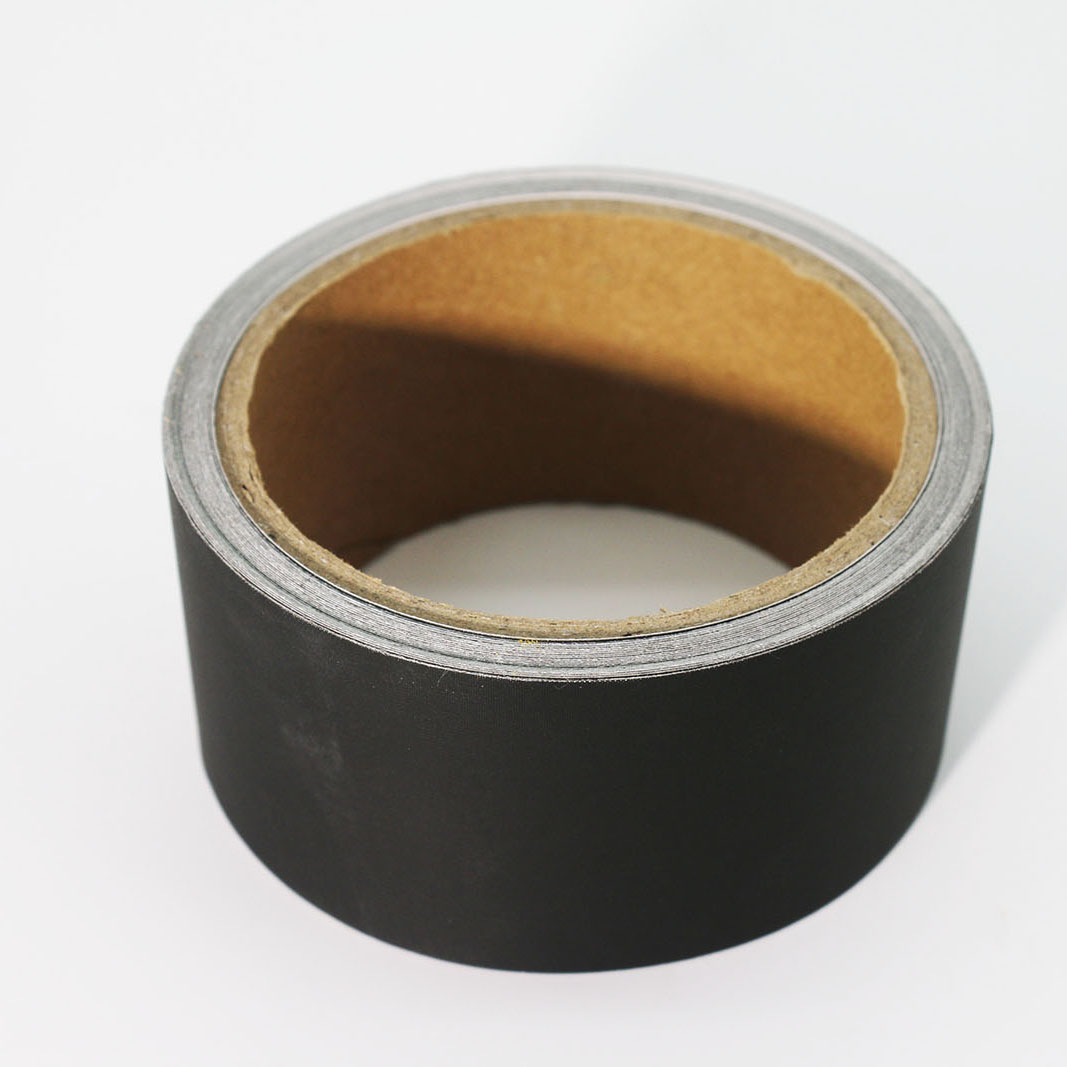 Why Black Conductive Fabric Tape is the Go-To for Light-Sensitive Electronics
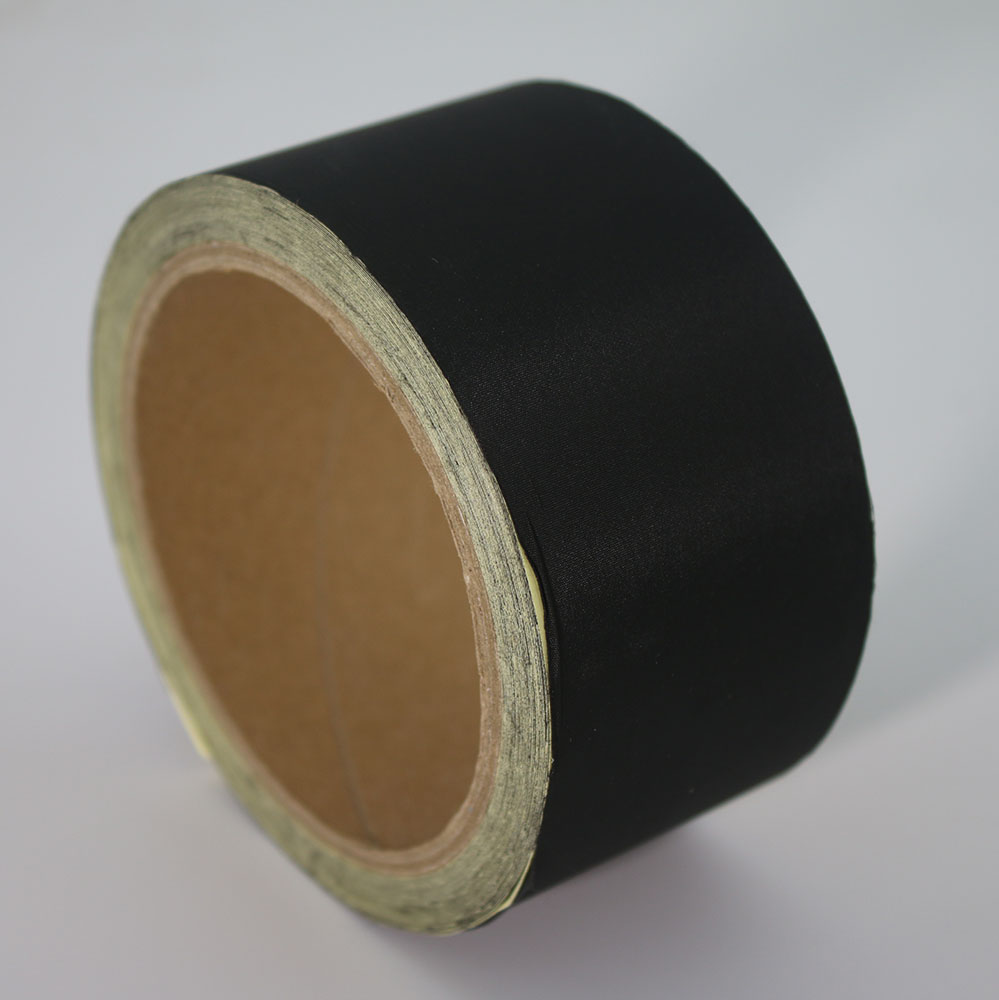 Is Nylon Cloth Tape the Ultimate Heavy-Dust and Abrasion Shield for Industrial Wiring?
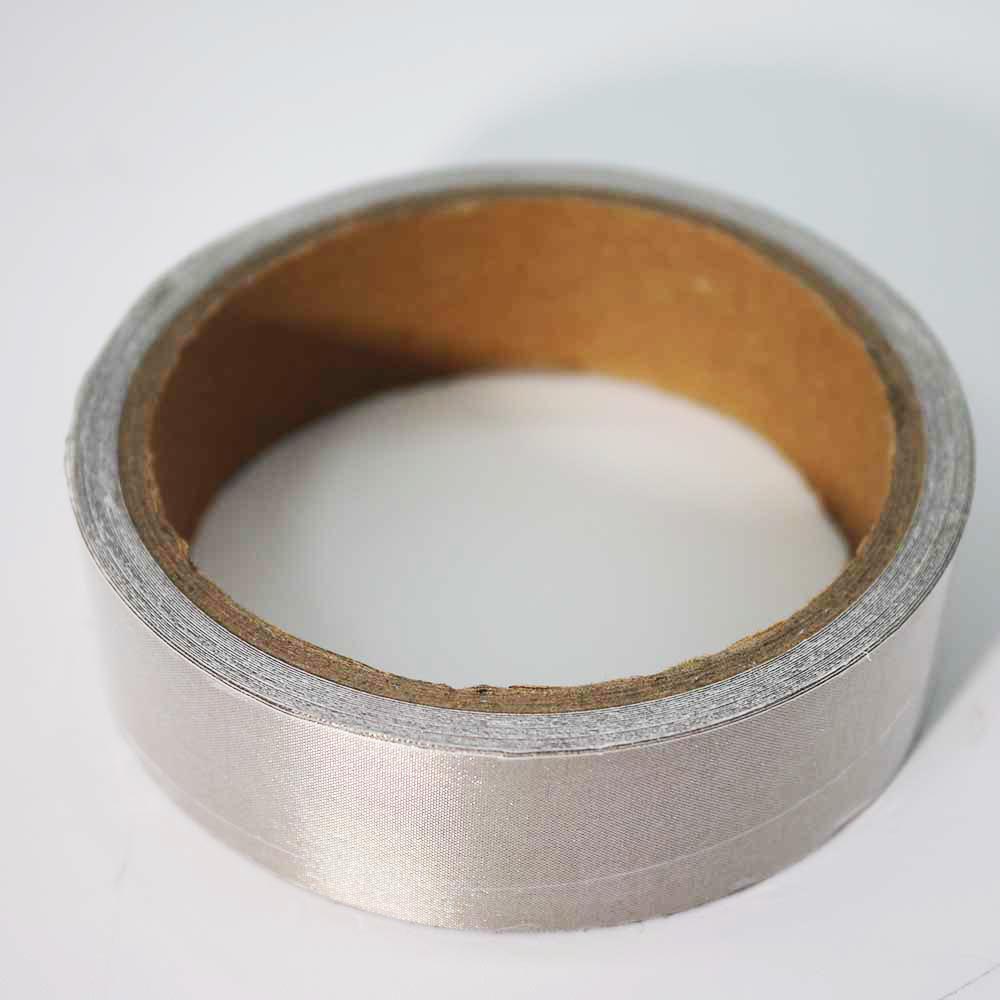 Does Double-Sided Conductive Fabric Tape Actually Solve EMI and ESD Grounding?
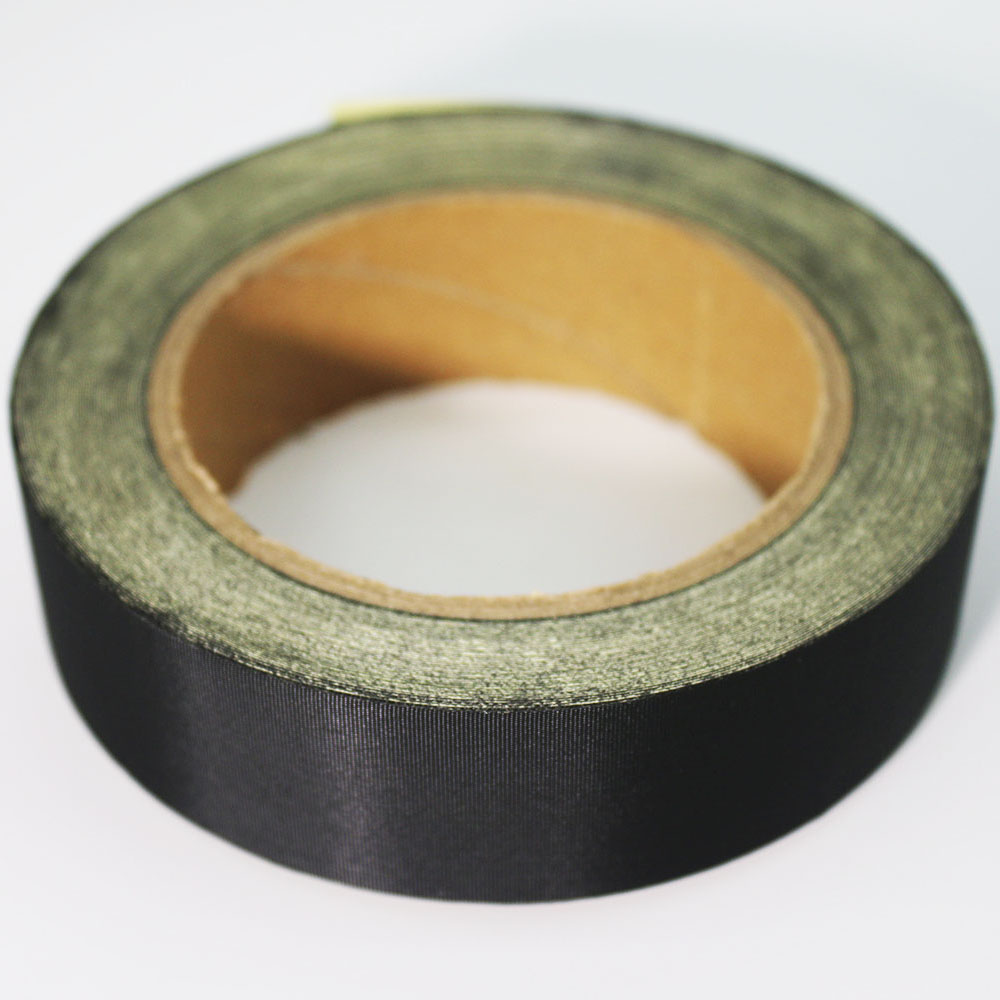 Can Flame Retardant Acetate Cloth Tape Really Stop Electrical Fires?
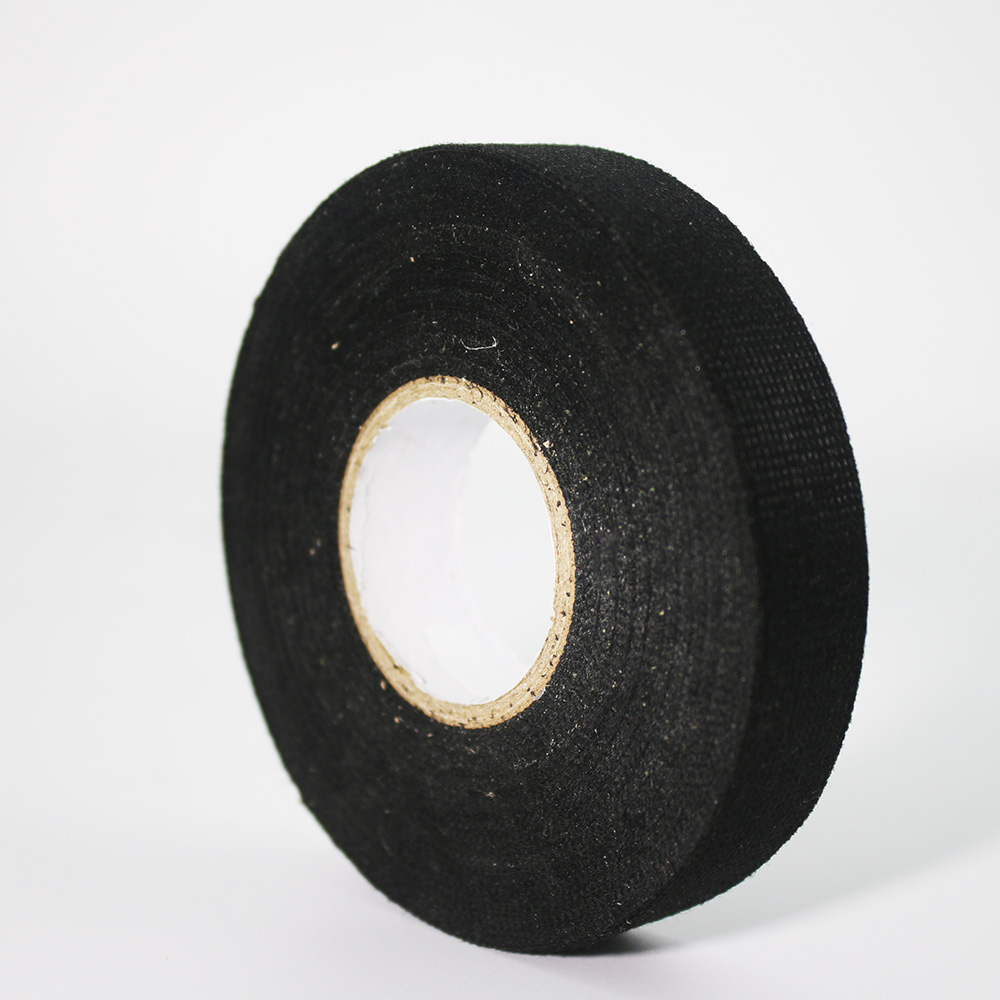 Does Automotive Fleece Tape Really Eliminate Wire Harness Noise?
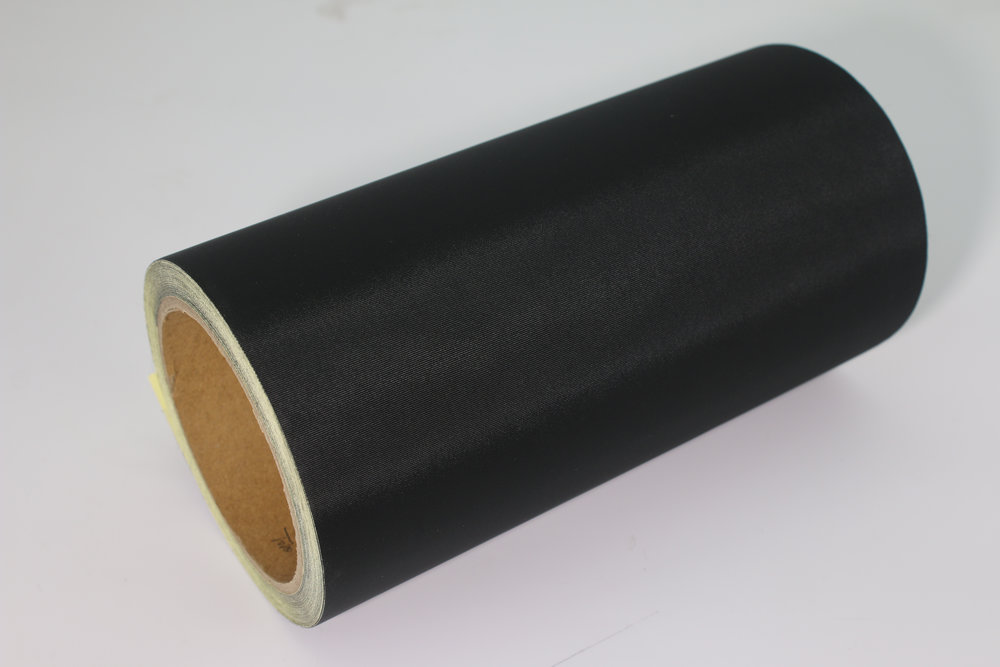 How to Choose Electrical Tape Based on Adhesive Technology
 Common Adhesive Failures in Industrial Electrical Tapes