
Why Is Nylon Cloth Tape the Most Reliable Options for Wire Bundling?
In our previous blogs, we talked about how conductive fabric tape improves EMI shielding, and why automotive wire harness tape is essential for vehicle safety. Now, let’s move one step closer to everyday applications and focus on a product that quietly supports countless electrical systems: nylon cloth tape.
You might be wondering—with so many new materials available today, why is nylon cloth tape still widely used for wire bundling? The answer lies in its balance of flexibility, durability, and ease of use.
1. What Exactly Is Nylon Cloth Tape?
Nylon cloth tape is a fabric-based adhesive tape made from woven nylon fibers combined with a pressure-sensitive adhesive. Compared with PVC or basic electrical tape, it offers:
-
Higher tensile strength
-
Better abrasion resistance
-
Strong adhesion without residue
-
Long-term stability under vibration
This makes it a popular choice not only in industrial settings but also in daily-life electrical organization.
2. Why Is Nylon Cloth Tape So Popular for Wire Bundling?
Wire bundling is not just about making cables look neat. It’s about protecting wires from movement, friction, and damage.
Nylon cloth tape helps by:
-
Holding wire bundles firmly without cutting into insulation
-
Absorbing vibration, especially in vehicles and appliances
-
Reducing noise caused by loose or rubbing cables
In fact, many automotive harness solutions use nylon cloth tape as a base layer, working together with automotive wire harness tape for enhanced protection—this links directly back to our last article.
3. Everyday Applications You Might Not Notice
You probably encounter nylon cloth tape more often than you think. It is commonly used in:
-
Home appliances like refrigerators and air conditioners
-
Computer and TV internal wiring
-
Office equipment cable management
-
DIY electrical repairs and upgrades
And honestly, this tape is one of those products people only notice when something goes wrong. When used properly, it just works—no drama, no noise, no loose wires.
4. Performance That Lasts Over Time
One key reason nylon cloth tape remains reliable is its long-term performance. Unlike cheap tapes that harden, peel off, or leave residue, high-quality nylon cloth tape:
-
Maintains adhesion under heat and humidity
-
Resists aging and cracking
-
Stays flexible even after long-term use
This reliability is especially important when combined with other tapes like conductive fabric tape, where stable cable positioning directly affects shielding performance.
5. Easy to Apply, Easy to Maintain
From assembly lines to home users, nylon cloth tape is appreciated for its convenience:
-
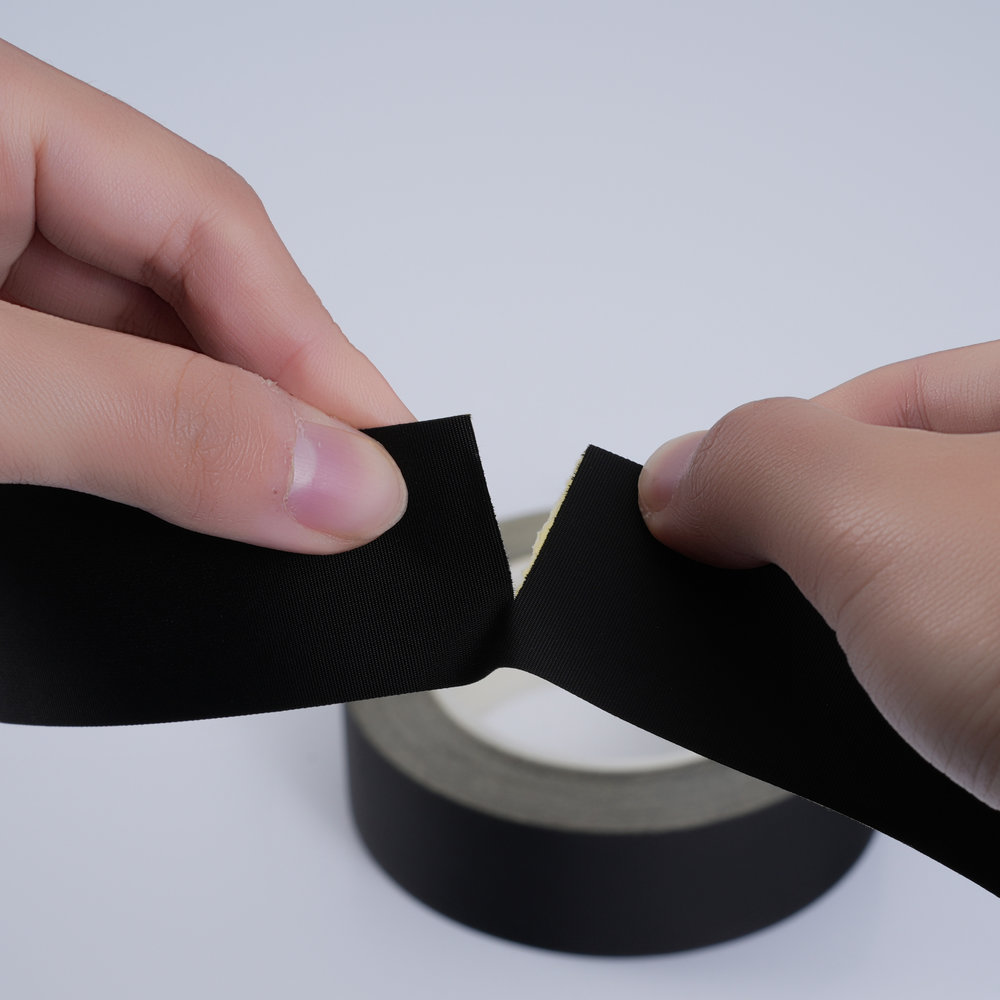
Hand-tearable design
-
Easy repositioning during installation
-
Clean removal during maintenance
It makes wire management faster and cleaner, which is why technicians and OEM manufacturers continue to rely on it year after year. Sometimes simple solutions are still the best one.
6. A Smart Choice for Eco-Friendly Projects
Modern nylon cloth tapes can be produced with low-VOC adhesives and environmentally friendly processes. When sourced from a professional manufacturer, they meet both performance and sustainability requirements.
For companies and individual users alike, this makes nylon cloth tape a practical and responsible option.
Nylon cloth tape remains one of the most reliable options for wire bundling because it delivers consistent performance, long-term durability, and everyday convenience. When used alongside conductive fabric tape and automotive wire harness tape, it forms a complete cable protection solution across electronics, vehicles, and home appliances.
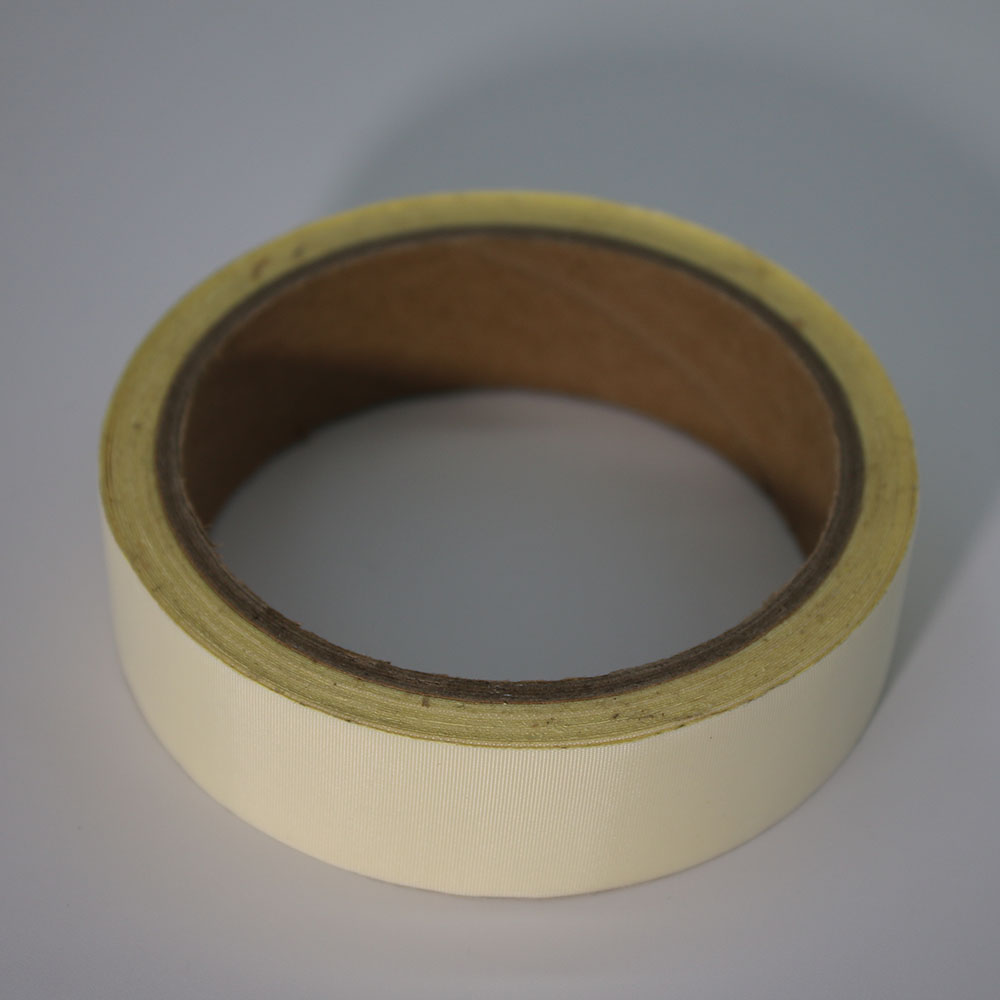 Can a Multi-Layer Nylon Cloth Tape with Optional Aluminum Foil Backing Really Bundle Hot-Engine Wiring and Absorb Minor Vibration in One Wrap
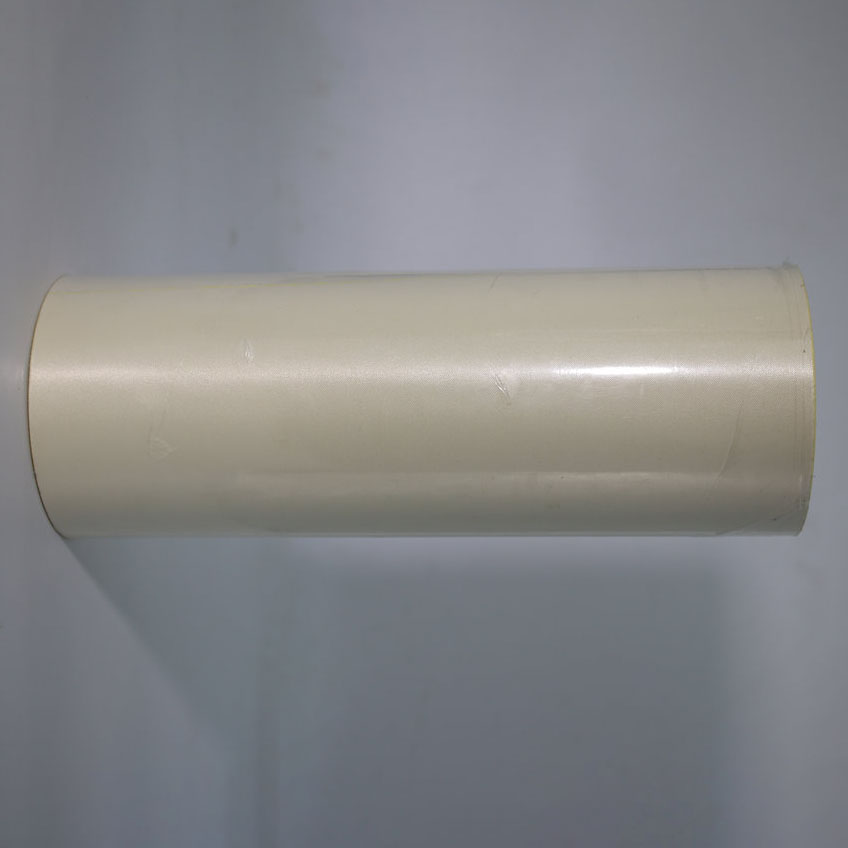 Can a Laser Inkjet and Thermal Transfer Compatible Printable Adhesive Label Tape Really Survive Warehouse Scuffs and Freezer Storage While Staying Scannable
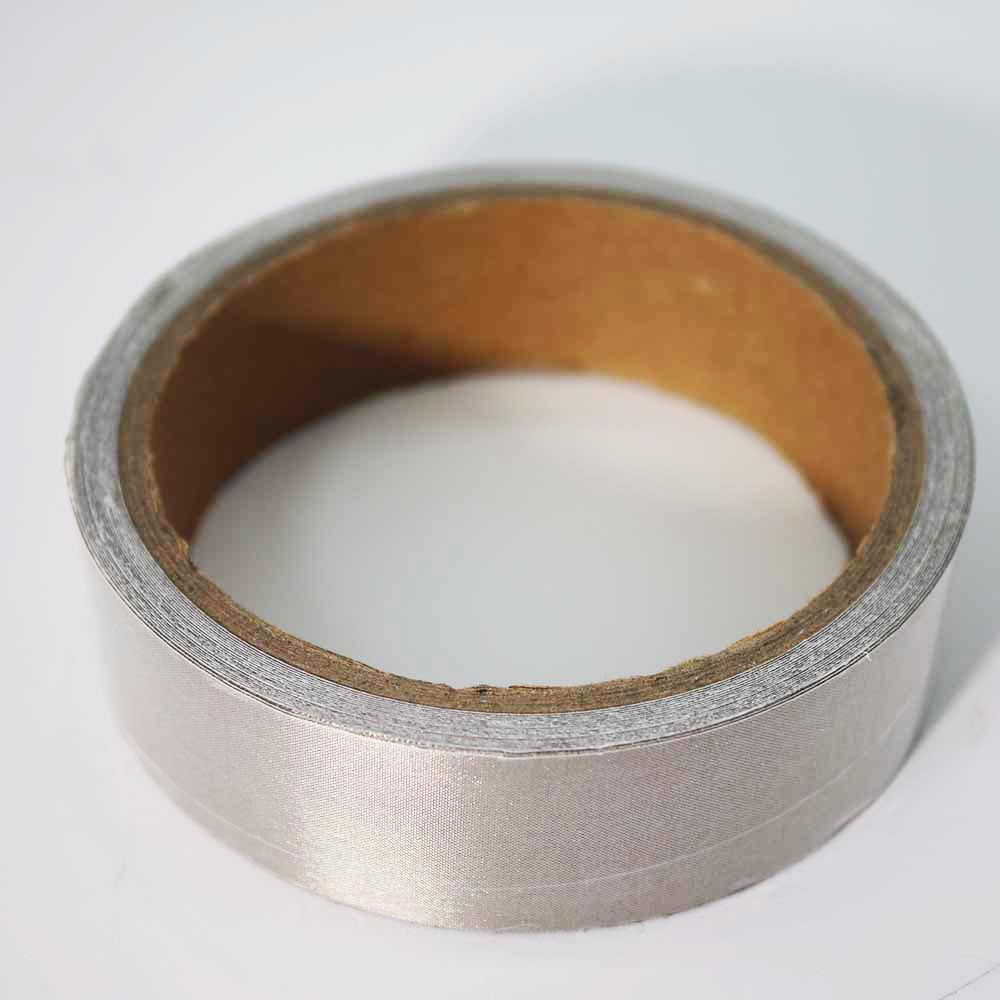 Does Double-Sided Conductive Fabric Tape Actually Replace Traditional EMI Gaskets in Compact Electronics?
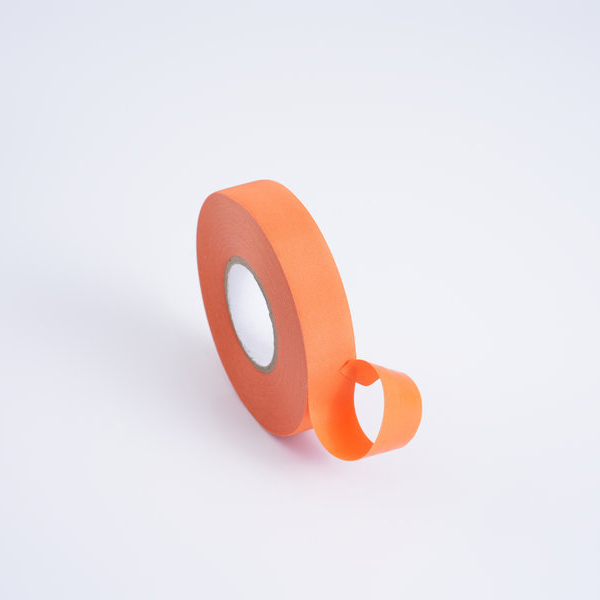 Will a Flame-Retardant Orange Fabric Wire Harness Tape Withstand 150 degrees Under the Hood Without Leaving Residue?
 Can a Single Light-Blocking Tape Replace Multiple Shielding Layers in Display Assembly?
 Can a 0.05mm Light Blocking Tape Really Deliver 99.9 percent Blackout for Sensitive Optics?
 Is Acetate Cloth Tape the Ultimate Flame-Retardant Solution for Electrical Insulation?
 Why High-Temperature Orange Automotive Wire Harness Tape is the Smart Choice for High-Heat Engine Bays
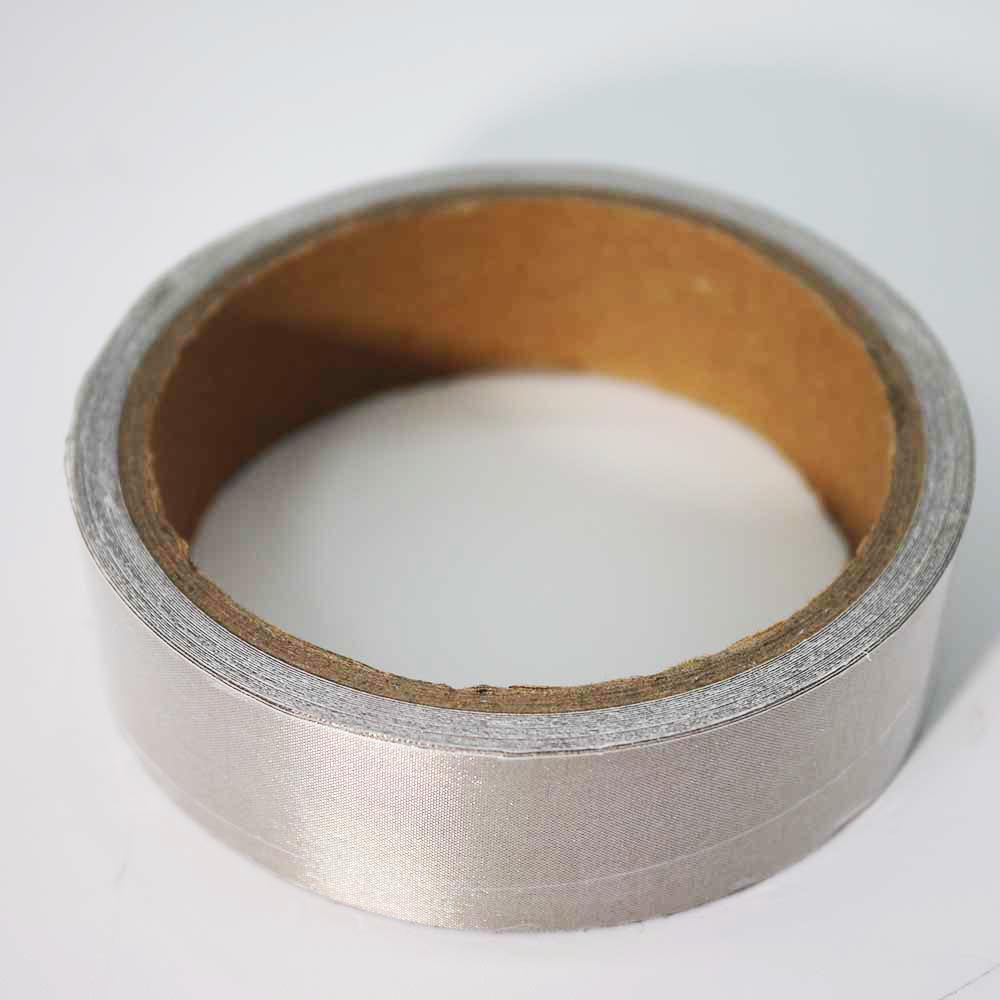 Can Double-Sided Conductive Fabric Tape Replace Traditional EMI Gaskets?
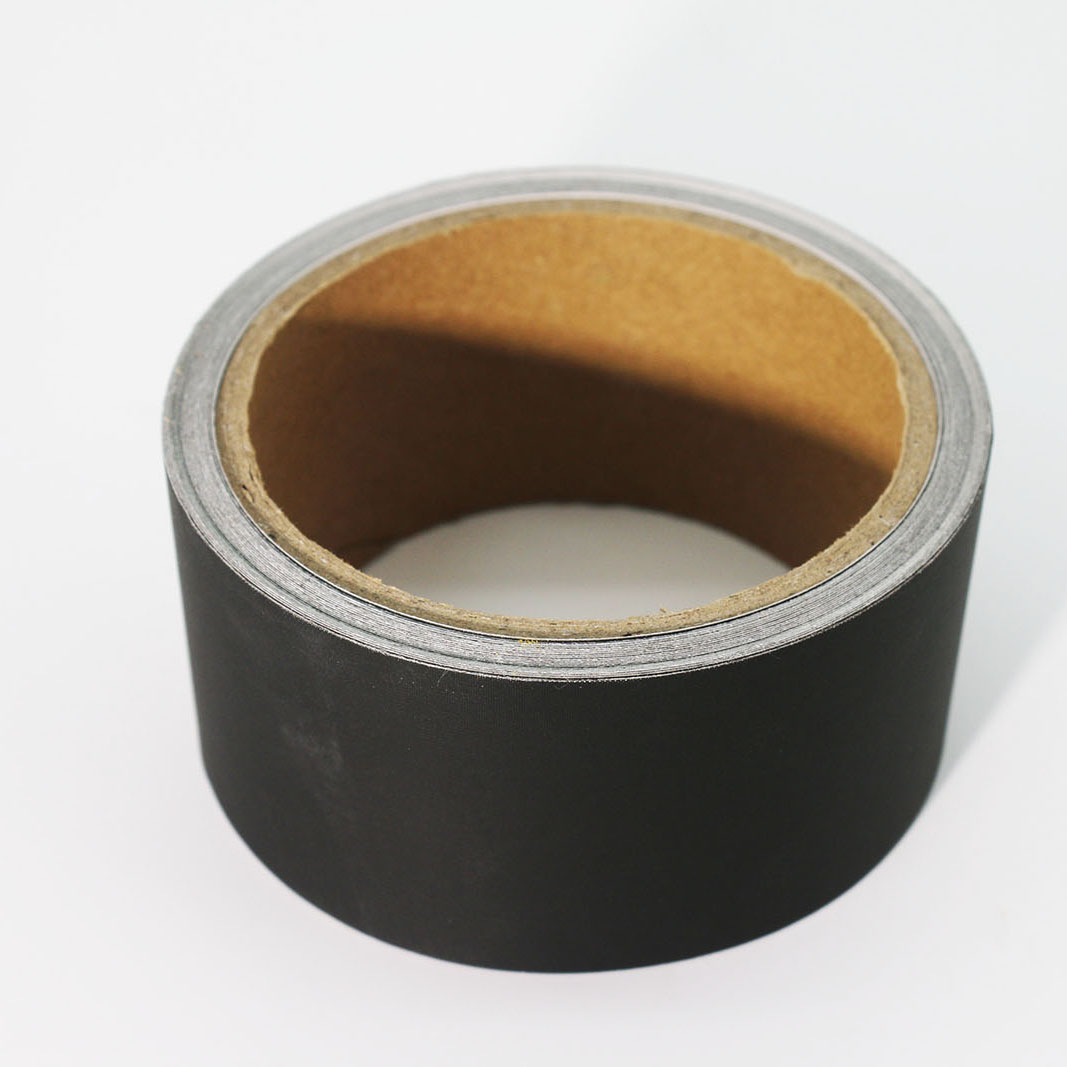 Why Black Conductive Fabric Tape is the Go-To for Light-Sensitive Electronics