
Why Nylon Cloth Tape Is Preferred for Industrial Control Panels?
If you open almost any industrial control panel that has been running for years, you’ll often notice one thing:
nylon cloth tape shows up far more often than PVC tape.
This isn’t coincidence. Control panels create a working environment that slowly exposes weak materials. Over time, nylon cloth tape simply performs more reliably in real-world industrial conditions.
Let’s break down why engineers, maintenance teams, and OEMs increasingly prefer nylon cloth tape in control panels.
1. Control Panels Create Long-Term Heat Stress
Industrial control panels operate continuously. Even if the external temperature seems normal, internal components like:
-
Power supplies
-
PLCs
-
Inverters
-
Relays
generate steady heat.
PVC tape softens under long-term heat exposure, and its adhesive can migrate or fail.
Nylon cloth tape, by contrast, is designed to withstand continuous thermal aging without losing shape or adhesion.
This makes nylon cloth tape far more stable for 24/7 operating environments.
2. Nylon Cloth Tape Resists Aging Better Over Time
A common complaint in control panels is tape that:
-
dries out
-
curls at the edges
-
becomes brittle
-
loses holding strength
PVC tape ages mainly because of plasticizer loss, which is unavoidable over time.
Nylon cloth tape does not rely on plasticizers for flexibility, so it maintains performance much longer.
After 2–3 years inside a panel, the difference becomes very obvious.
3. Mechanical Stability Matters More Than You Think
Control panels experience constant micro-vibration:
-
cabinet doors opening and closing
-
nearby machinery vibration
-
cooling fan operation
PVC tape relies heavily on stretch, which gradually relaxes and loses tension.
Nylon cloth tape relies on woven fabric reinforcement, so it stays tight and stable even when cables move slightly.
This helps prevent:
-
loose bundles
-
tape slippage
-
exposed wire sections
4. Cleaner Maintenance and Rework
Long-term installations eventually need service.
When PVC tape is removed after aging, it often:
-
leaves sticky residue
-
contaminates wires
-
attracts dust
Nylon cloth tape is much more maintenance-friendly. It removes more cleanly, which saves time during:
-
rewiring
-
component replacement
-
control panel upgrades
This small detail actually makes a big difference for maintenance teams.
5. Better Appearance = Better Inspection Results
Industrial panels are regularly inspected.
Aged PVC tape often looks:
-
yellowed
-
uneven
-
wrinkled
Nylon cloth tape maintains a clean, professional appearance over time.
This makes panels easier to inspect visually and gives a better impression during audits or factory acceptance checks.
6. Where Nylon Cloth Tape Is Commonly Used in Control Panels
You’ll often find nylon cloth tape used for:
-
wire harness bundling
-
cable routing inside cabinets
-
strain relief near terminals
-
vibration-prone areas
-
high-density wiring zones
It’s not just about holding wires—it’s about maintaining system order long-term.
Final Thoughts
PVC tape is fine for short-term fixes.
But industrial control panels are designed to run for years.
That’s why nylon cloth tape becomes the preferred choice:
it handles heat better, ages slower, stays mechanically stable, and makes maintenance easier.
When reliability matters, material choice stops being optional.
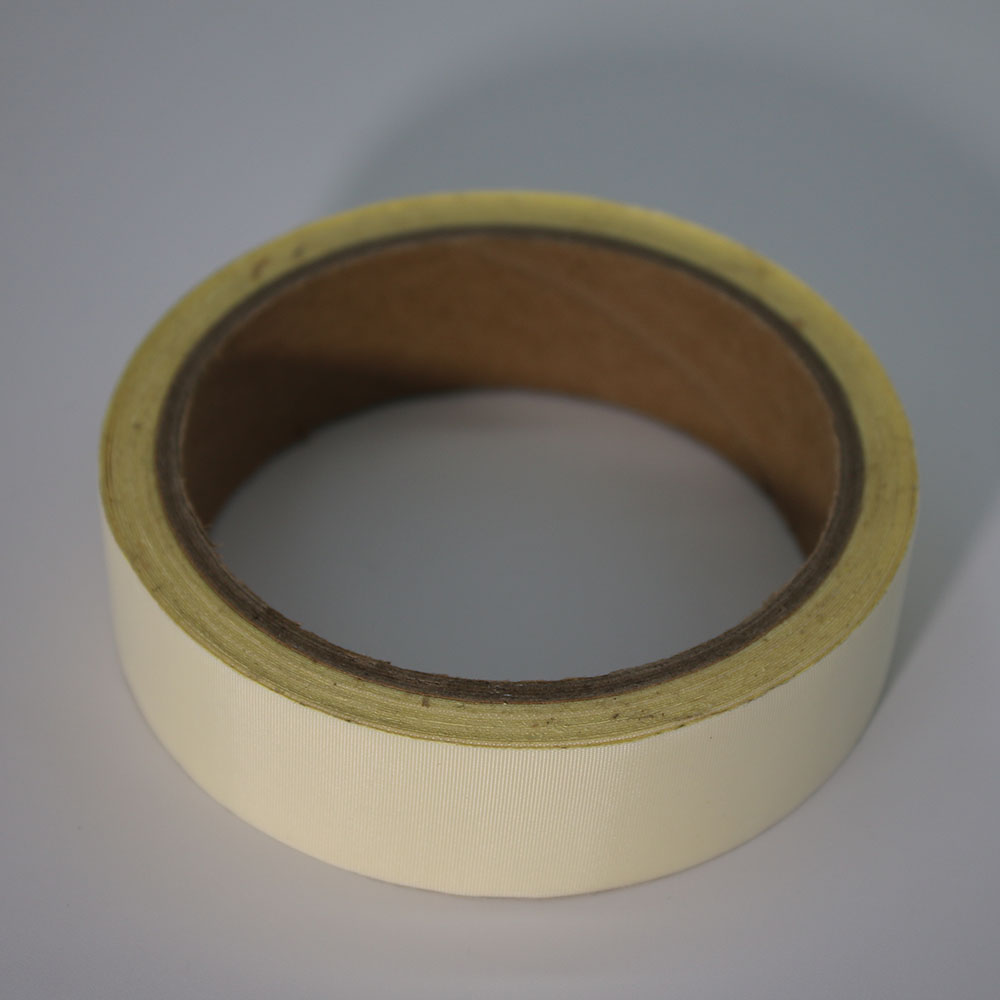 Can a Multi-Layer Nylon Cloth Tape with Optional Aluminum Foil Backing Really Bundle Hot-Engine Wiring and Absorb Minor Vibration in One Wrap
 Can a Laser Inkjet and Thermal Transfer Compatible Printable Adhesive Label Tape Really Survive Warehouse Scuffs and Freezer Storage While Staying Scannable
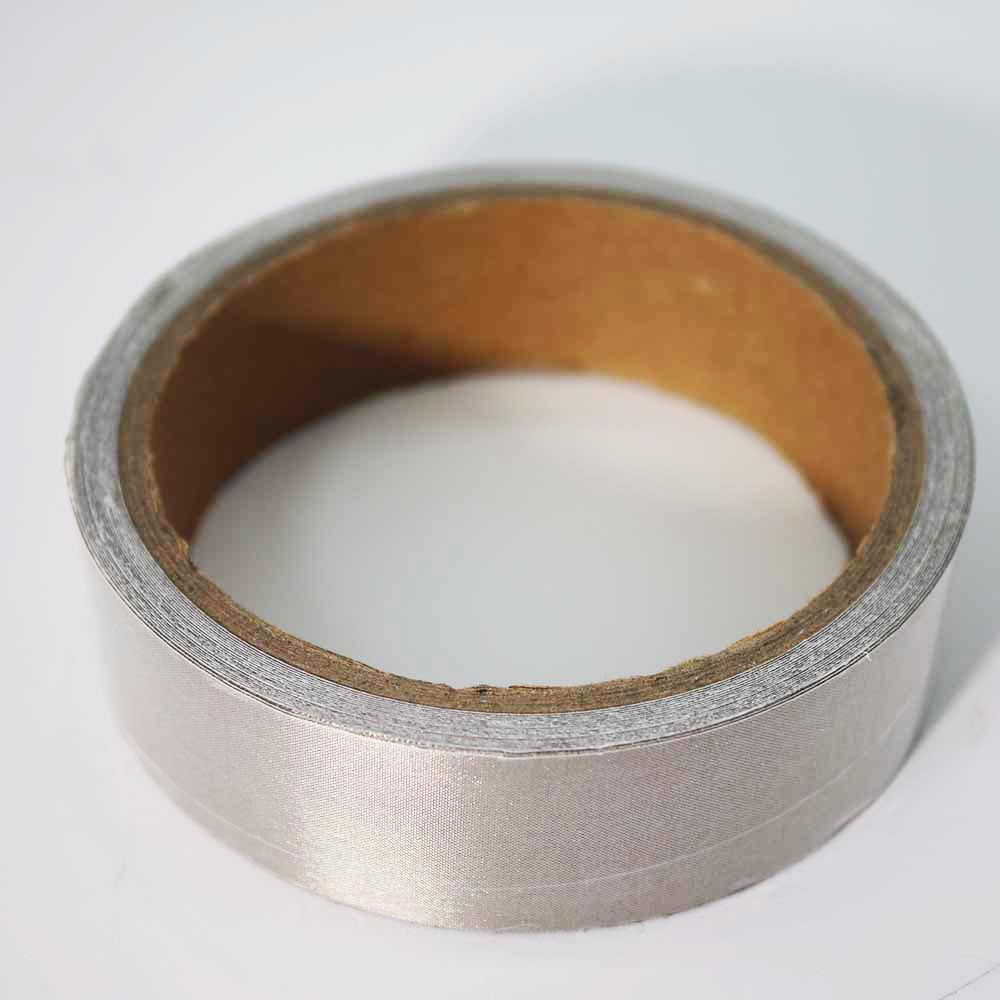 Does Double-Sided Conductive Fabric Tape Actually Replace Traditional EMI Gaskets in Compact Electronics?
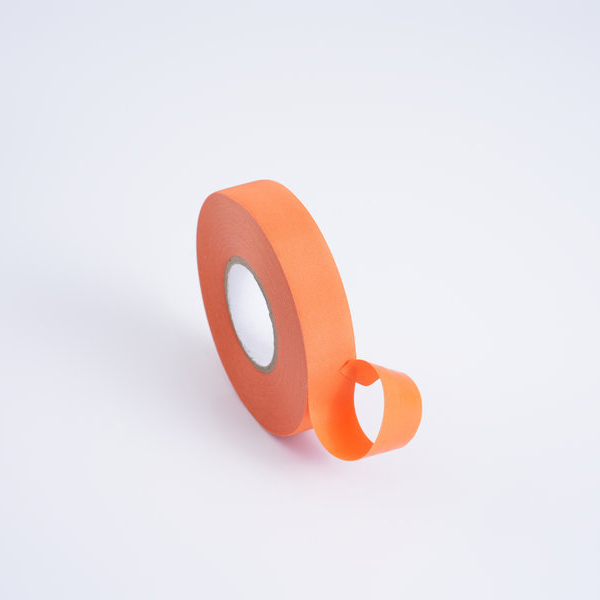 Will a Flame-Retardant Orange Fabric Wire Harness Tape Withstand 150 degrees Under the Hood Without Leaving Residue?
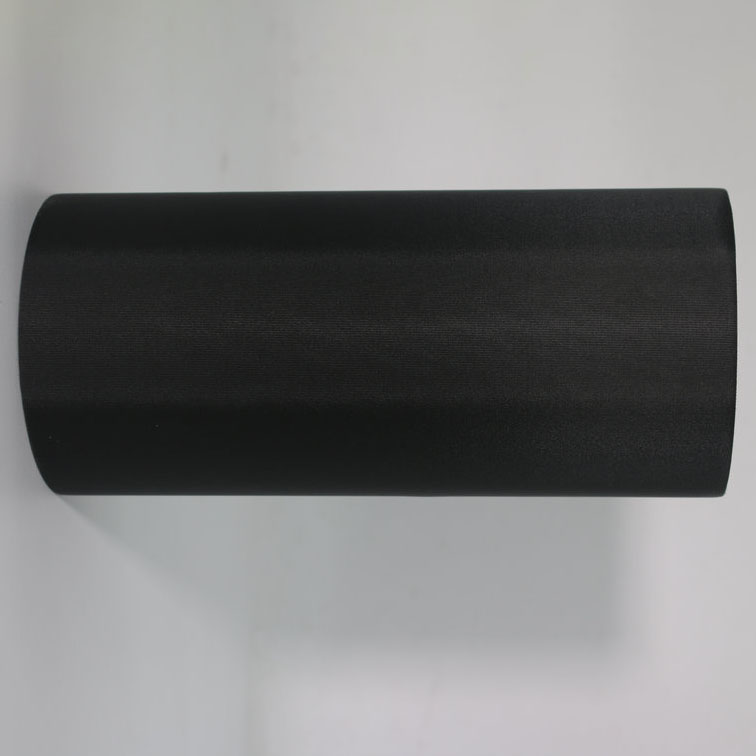 Can a Single Light-Blocking Tape Replace Multiple Shielding Layers in Display Assembly?
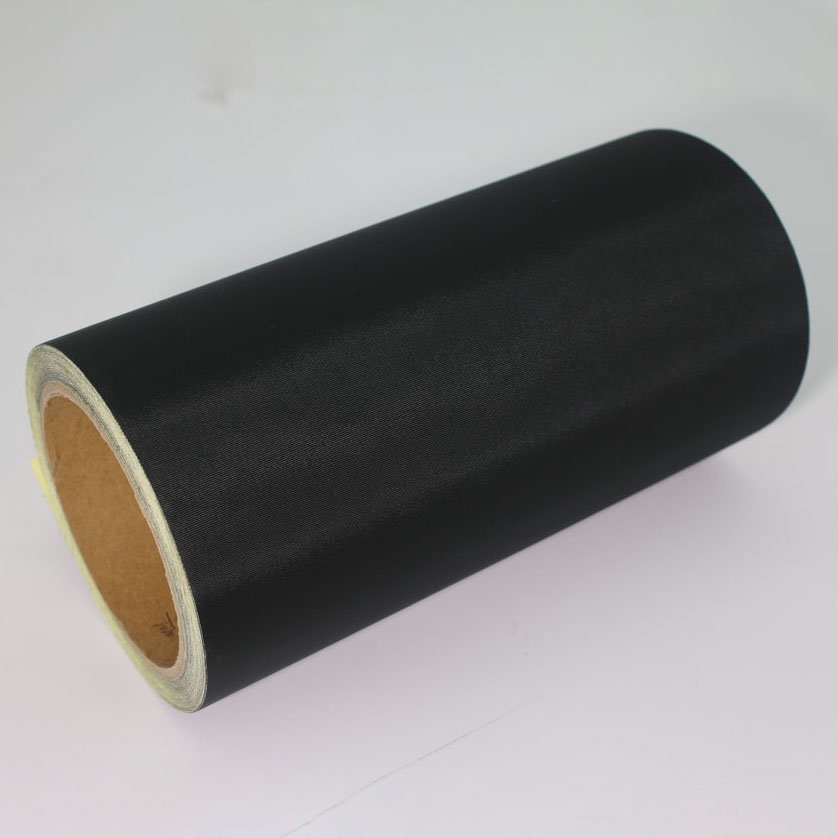 Can a 0.05mm Light Blocking Tape Really Deliver 99.9 percent Blackout for Sensitive Optics?
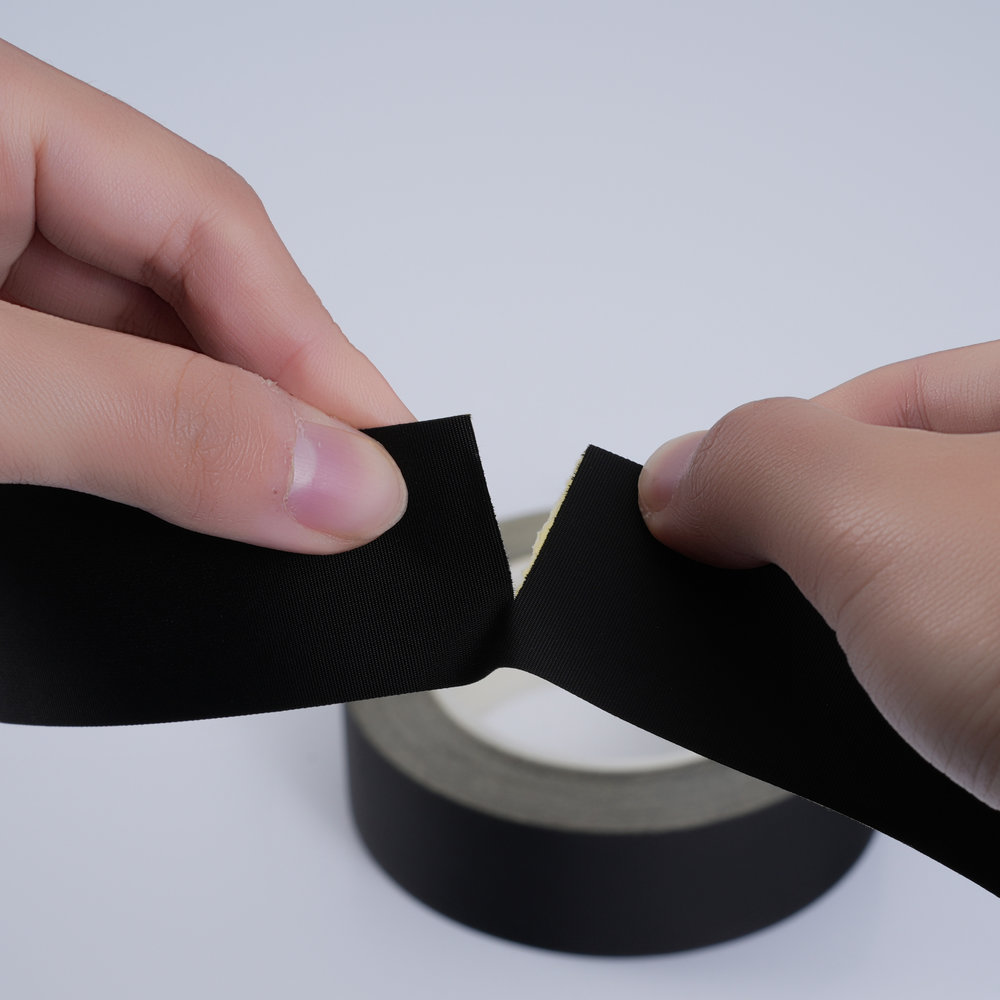 Is Acetate Cloth Tape the Ultimate Flame-Retardant Solution for Electrical Insulation?
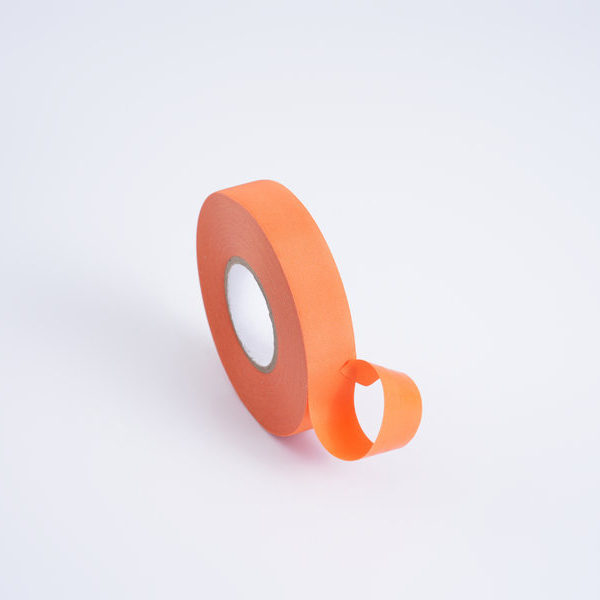 Why High-Temperature Orange Automotive Wire Harness Tape is the Smart Choice for High-Heat Engine Bays
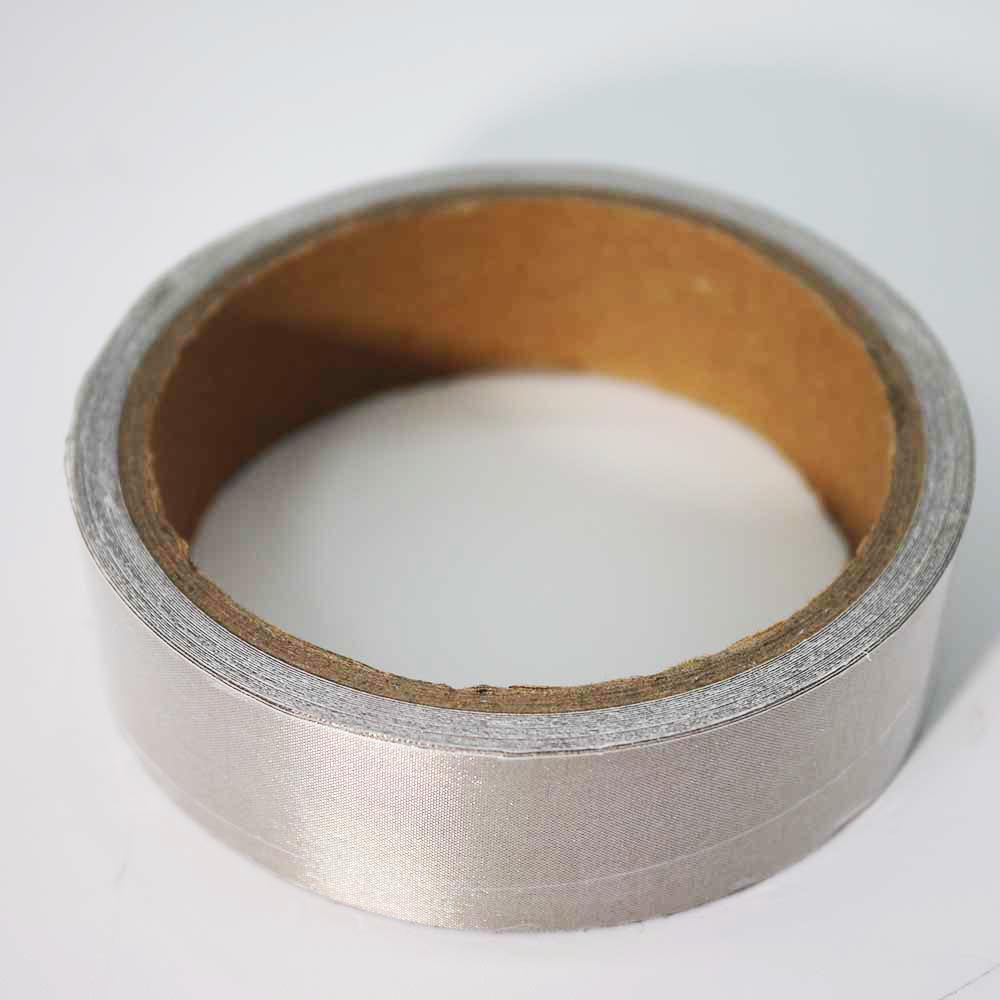 Can Double-Sided Conductive Fabric Tape Replace Traditional EMI Gaskets?
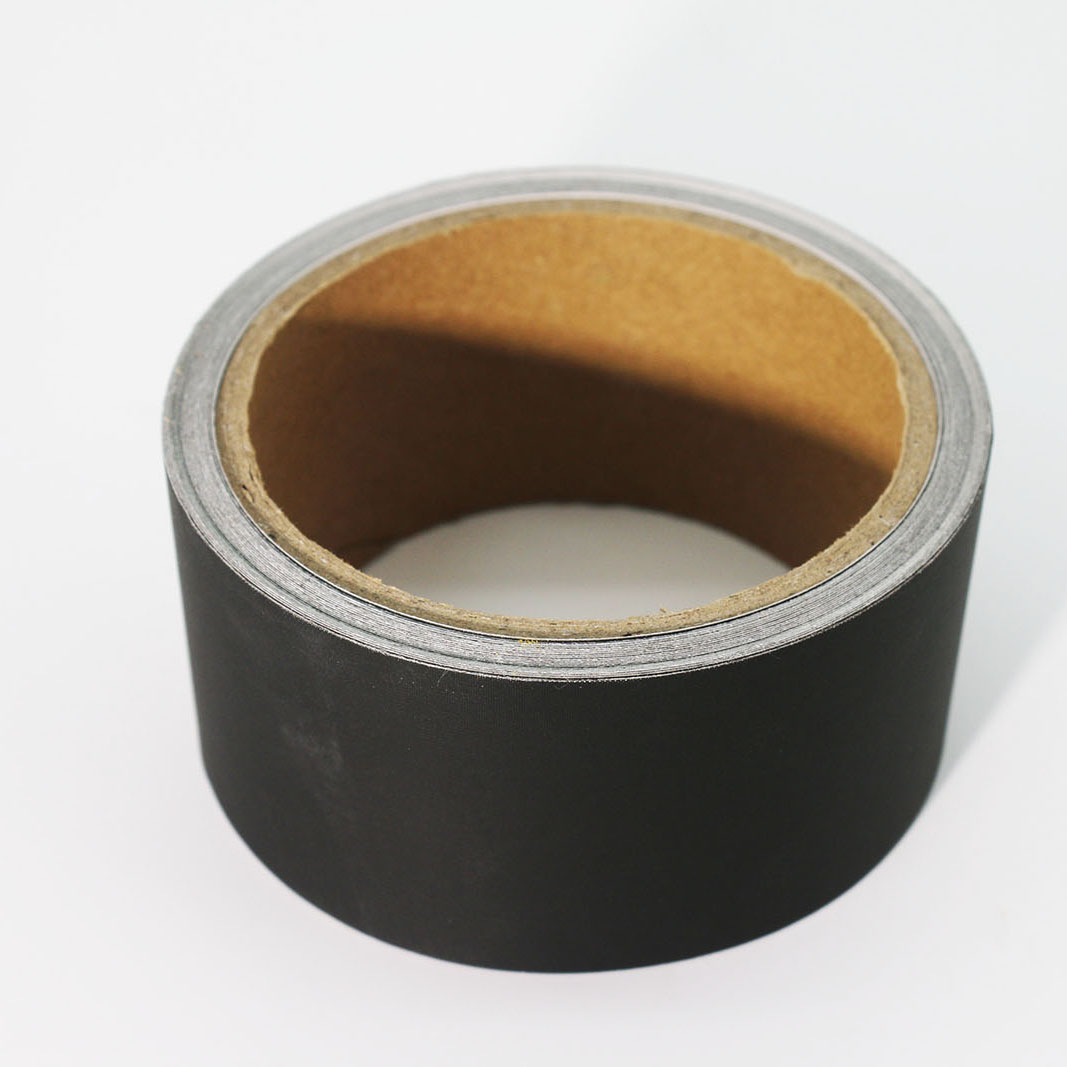 Why Black Conductive Fabric Tape is the Go-To for Light-Sensitive Electronics