
Cloth Tape vs PVC Tape: Which Lasts Longer in Control Cabinets?
At first glance, a control cabinet looks like a “safe” environment for electrical tape.
No rain, no sunlight, no direct mechanical impact—so any tape should last, right?
In reality, control cabinets create a unique aging environment that exposes the real difference between cloth tape and PVC tape over time.
So, which one actually lasts longer?
Let’s look at what really happens inside a cabinet.
1. Why Control Cabinets Are Tougher Than They Look
Control cabinets operate quietly—but continuously.
Inside, you’ll usually find:
-
Constant heat from power supplies and relays
-
Limited airflow
-
Long operating hours
-
Small but continuous vibration
These conditions don’t cause immediate failure, but they slowly age electrical tape day after day.
2. PVC Tape in Control Cabinets: Short-Term Convenience
PVC electrical tape is everywhere, mainly because it’s:
-
Cheap
-
Easy to apply
-
Widely available
In short-term or low-load wiring, PVC tape performs fine. But inside control cabinets, problems tend to appear over time.
Common PVC Tape Issues
-
Adhesive softening under heat
-
Edge lifting after months of operation
-
Loss of elasticity as plasticizers migrate
-
Sticky residue left behind during maintenance
PVC tape often looks “okay” at first, but after 12–24 months, performance can drop fast.
3. Cloth Tape: Designed for Long-Term Stability
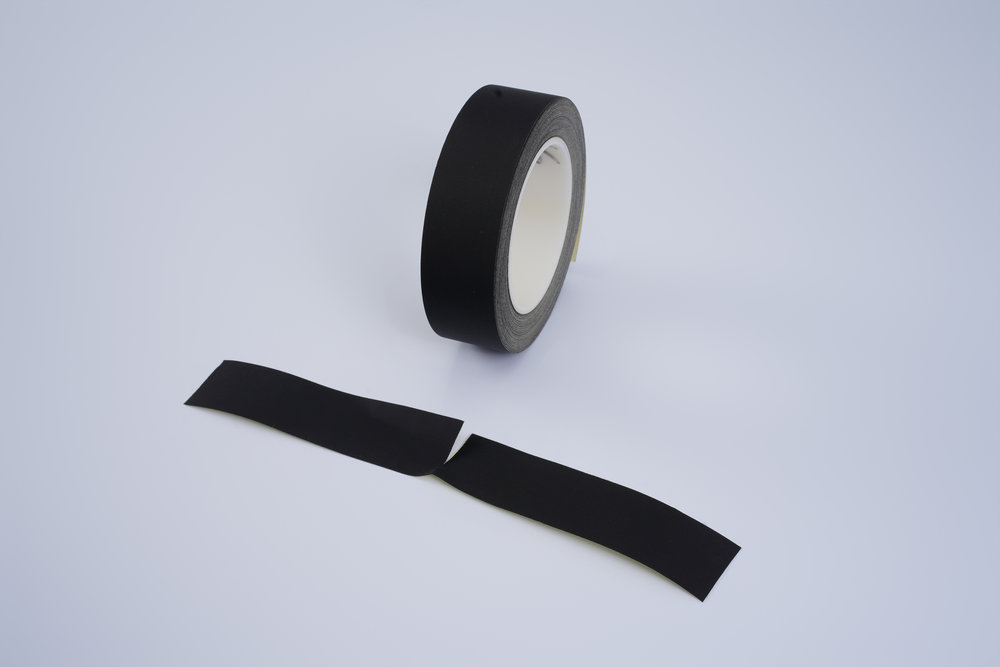
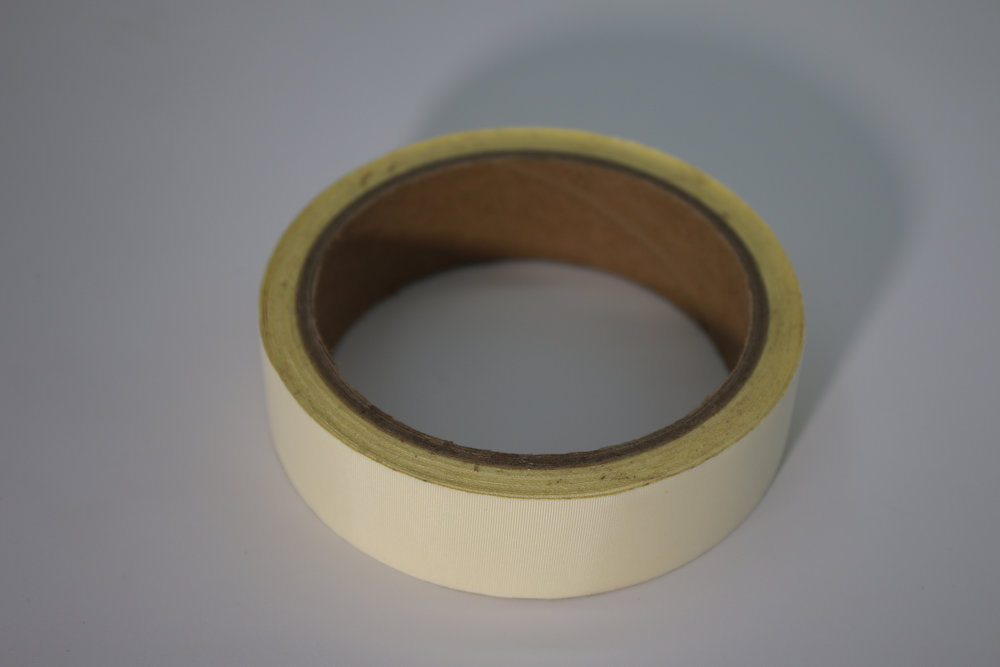
Cloth-based electrical tapes (acetate cloth or nylon cloth) behave very differently.
Instead of relying on stretch, they rely on:
-
Fabric reinforcement
-
Dimensional stability
-
Heat-resistant adhesive systems
This makes cloth tape far more predictable over long service periods.
4. Heat Resistance: The Key Difference
Control cabinets usually operate in the 40–80°C range, sometimes higher near power components.
-
PVC tape gradually hardens or shrinks under constant heat
-
Cloth tape maintains shape and adhesion for much longer
That’s why cloth tape is commonly found in:
-
Industrial control cabinets
-
PLC panels
-
Automation systems
Heat aging is slow—but unavoidable.
5. Mechanical Stability Over Time
Even small vibrations matter.
Inside cabinets:
-
Doors open and close
-
Fans start and stop
-
Nearby equipment causes micro-movement
PVC tape depends on elasticity, which degrades over time.
Cloth tape relies on woven backing, making it far more resistant to loosening and creep.
6. Maintenance Reality: Removal Matters Too
Longevity isn’t only about how long tape stays in place—it’s also about what happens when it’s removed.
After long-term use:
-
PVC tape often leaves adhesive residue
-
Cloth tape usually peels cleanly
For maintenance teams, clean removal saves time and avoids secondary problems like dust adhesion or rewiring delays.
7. So, Which One Lasts Longer in Control Cabinets?
In real industrial control cabinets:
-
PVC Tape
Best for temporary fixes or low-heat, short-term use. -
Cloth Tape (especially nylon cloth)
Clearly lasts longer in terms of:-
Adhesion stability
-
Heat resistance
-
Mechanical reliability
-
Maintenance friendliness
-
That’s why cloth tape is increasingly specified for long-term control cabinet wiring.
Final Takeaway
If a control cabinet is expected to operate continuously for years, tape selection matters more than most people think.
PVC tape works—but cloth tape lasts.
And in industrial environments, lasting longer often means fewer failures, less maintenance, and better overall system reliability.
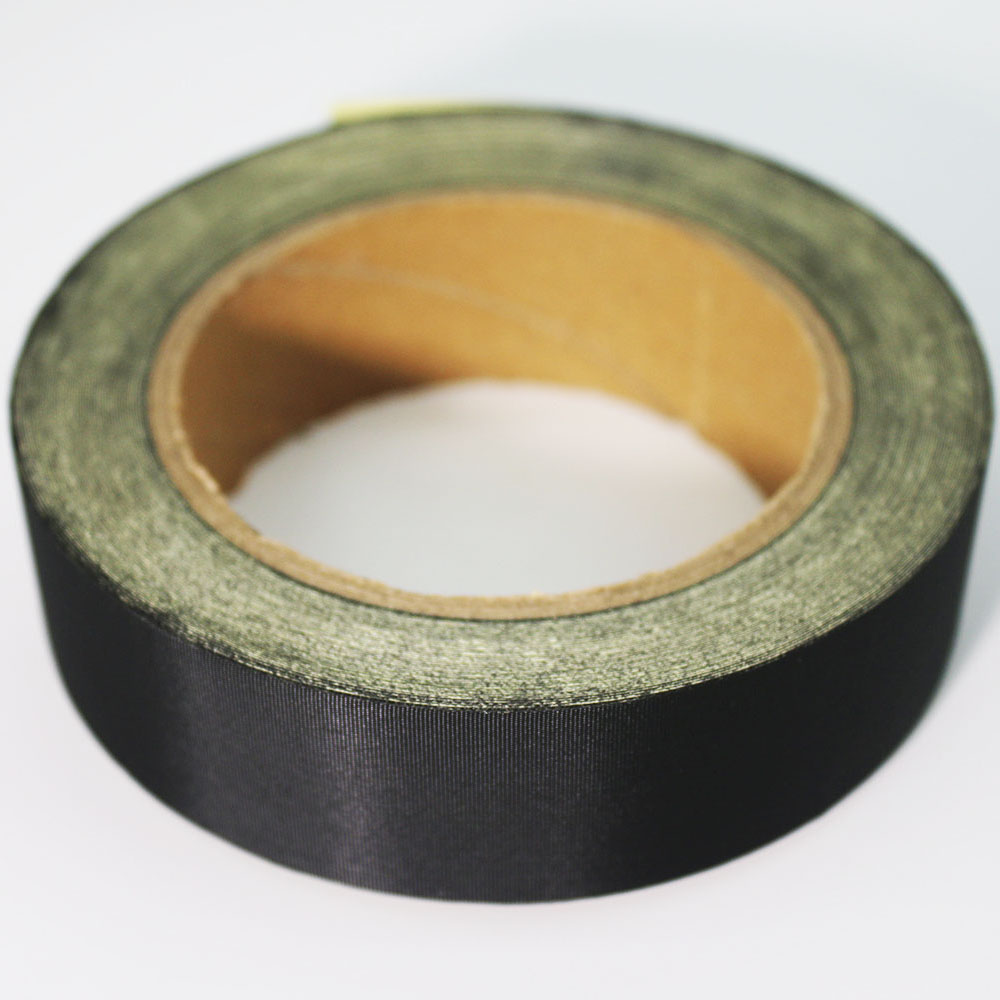 Can Flame Retardant Acetate Cloth Tape Really Stop Electrical Fires?
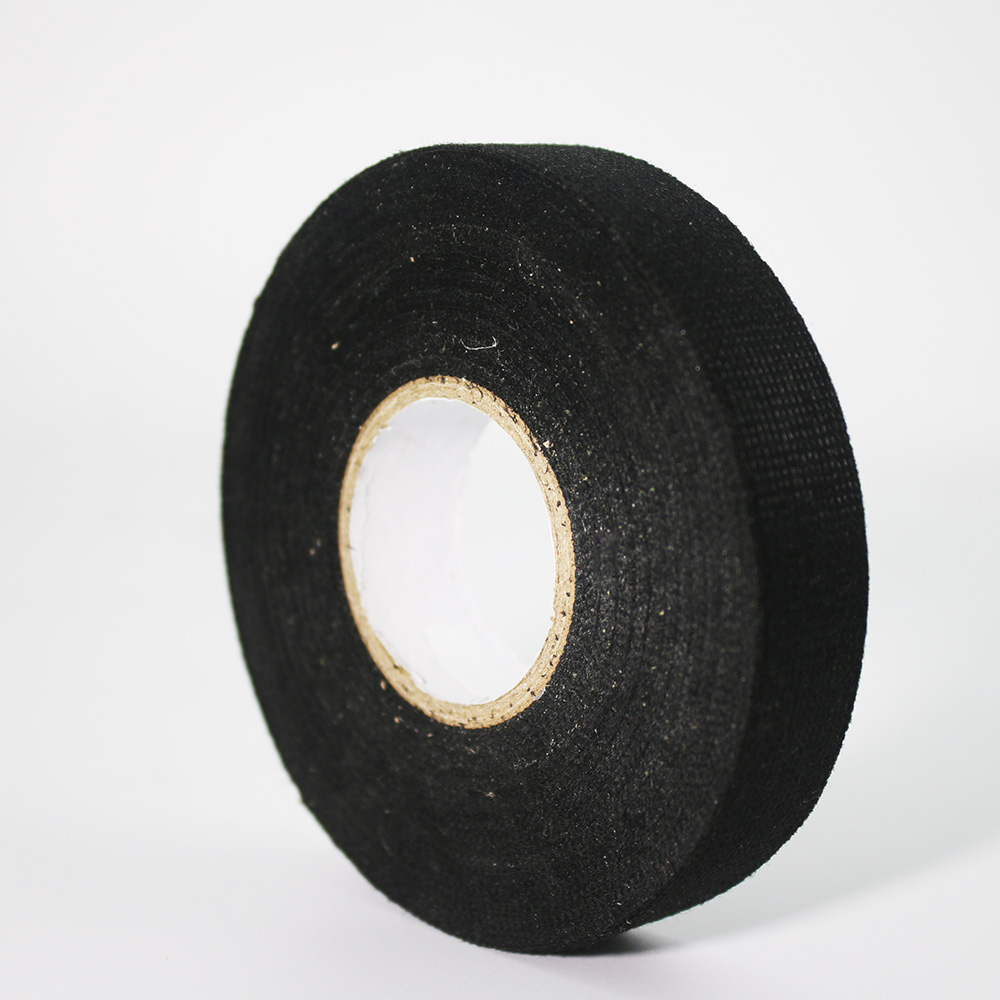 Does Automotive Fleece Tape Really Eliminate Wire Harness Noise?
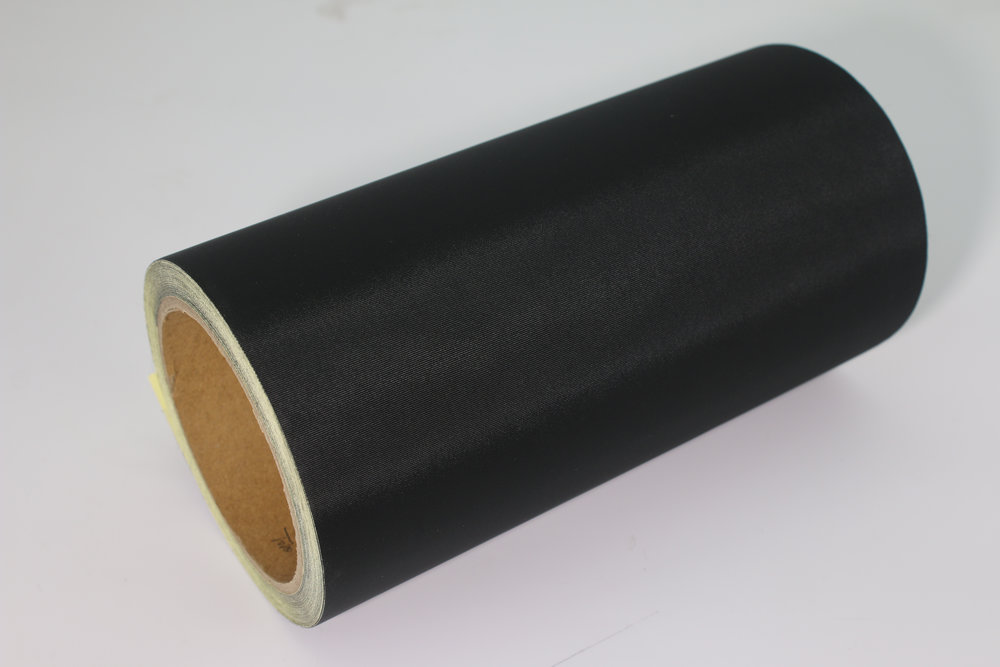 How to Choose Electrical Tape Based on Adhesive Technology
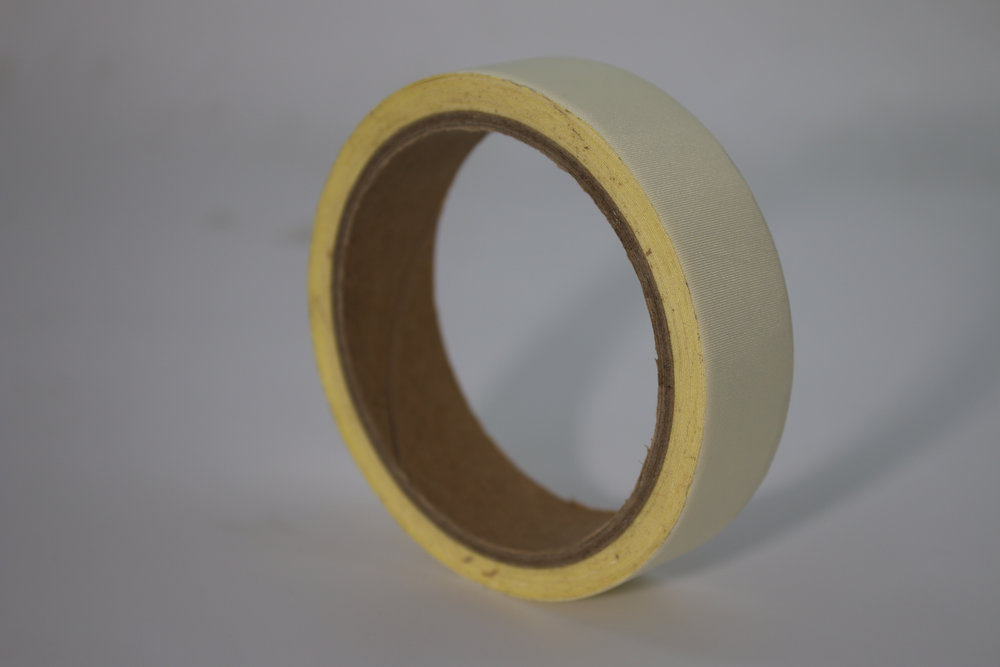 Common Adhesive Failures in Industrial Electrical Tapes
 How to Test Adhesive Performance for Industrial Electrical Tapes
 Why Acrylic Adhesive Cloth Tape Is Preferred for Long-Term Industrial Wiring
 Comparing Adhesive Types Used in Industrial Cloth Electrical Tapes
 Why Low-Quality Electrical Tape Increases Long-Term Maintenance Costs
 How Often Should Electrical Tape Be Replaced in Industrial Cabinets?
 Nylon Cloth Tape vs Acetate Cloth Tape: Which Is Better for Control Cabinets?