
Common Electrical Tape Failures and How to Avoid Them in Industrial Use
Electrical tape is widely used across industrial environments—factories, control cabinets, motors, transformers, automotive wiring, and electronic assemblies. However, many electrical failures are not caused by complex system defects, but by tape failure over time.
In previous blogs, we discussed electrical safety, tape layering, and heat resistance. Now, let’s take a step further and answer a very practical question: what are the most common electrical tape failures in industrial use, and how can they be avoided?
1. Adhesive Failure Under Heat
One of the most common problems is adhesive softening or loss of bonding at elevated temperatures.
Why it happens:
-
Tape is used beyond its rated temperature
-
Low-quality adhesive formulations
-
Long-term exposure to motors, transformers, or engine compartments
How to avoid it:
-
Choose heat-resistant electrical tapes (acetate cloth tape or nylon cloth tape for high-temperature zones)
-
Confirm real working temperature, not just ambient temperature
-
Work with a professional manufacturer that controls adhesive formulation
If the adhesive fails, insulation becomes loose and safety is immediately compromised.
2. Insulation Breakdown and Short Circuits
Another frequent failure is loss of insulation performance, which can result in leakage current or short circuits.
Typical causes:
-
Tape thickness too thin for voltage level
-
Poor dielectric strength
-
Aging or chemical exposure
Prevention tips:
-
Use high-insulation acetate cloth tape for transformers and coils
-
Avoid general-purpose tapes in high-voltage areas
-
Verify dielectric strength data before selection
This is where many users realize—too late—that not all tapes are created equal.
3. Mechanical Damage from Abrasion and Vibration
In automotive and industrial machinery, wires constantly move, vibrate, and rub against surfaces.
What goes wrong:
-
Tape tears due to poor tensile strength
-
Edges lift after repeated vibration
-
Wire bundles loosen over time
Better solutions:
-
Nylon cloth tape for wire harnesses and abrasion resistance
-
Proper wrapping tension and overlap
-
Avoid over-stretching during application
Honestly, vibration-related failures are sneaky. Everything looks fine at first, then problems show up months later.
4. EMI Problems Caused by Wrong Tape Selection
Using only insulating tape in EMI-sensitive environments can lead to interference issues.
Common mistakes:
-
Ignoring electromagnetic shielding needs
-
Using insulation where grounding is required
Correct approach:
-
Combine conductive cloth tape with insulating tape
-
Use conductive tape for grounding and EMI shielding
-
Apply layered tape structures for safety + performance
As we discussed in earlier blogs, conductive and insulating tapes are not competitors—they are teammates.
5. Poor Identification and Human Error
Tape failure isn’t always physical. Sometimes it’s human error caused by unclear wiring identification.
Issues include:
-
Wrong wire cut during maintenance
-
Confusing cable routing
-
No documentation after installation
How to fix it:
-
Use printable tape for labeling and identification
-
Mark voltage levels, circuits, or maintenance dates
-
Choose durable, oil-resistant printable tapes for industry
This small step can save hours of troubleshooting—and a lot of frustration.
6. Choosing the Wrong Supplier
Even the right tape type can fail if quality is inconsistent.
Risks:
-
Batch-to-batch variation
-
Unstable adhesive performance
-
No customization support
Smart move:
-
Work with an experienced China electrical tape manufacturer and supplier
-
Ensure stable quality control and testing
-
Choose suppliers that offer custom sizes, thickness, and materials
For B2B buyers, supplier reliability is just as important as product specs.
Conclusion
Most electrical tape failures in industrial use are preventable. By understanding real working conditions, selecting the correct tape type, and sourcing from reliable manufacturers, electrical systems become safer, more stable, and easier to maintain.
As our content matrix shows, tape is not a minor accessory—it’s a functional component of electrical safety.
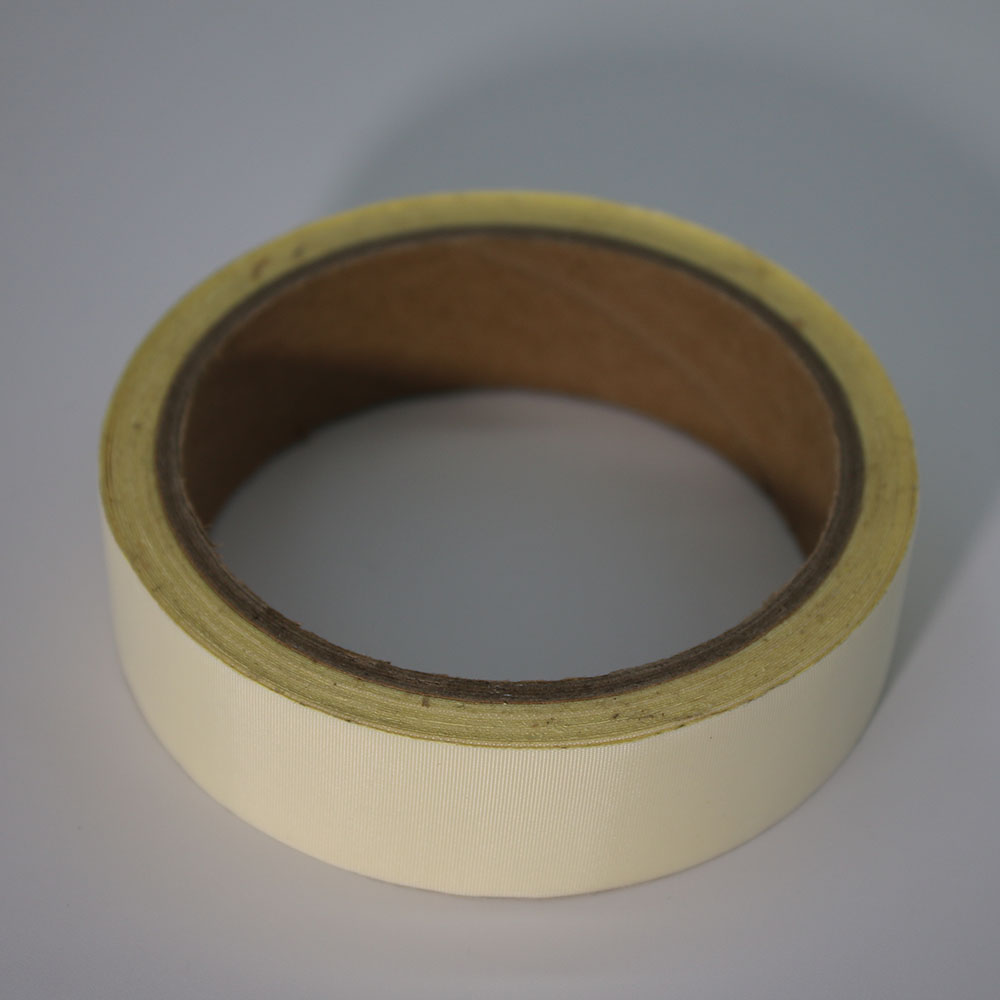 Can a Multi-Layer Nylon Cloth Tape with Optional Aluminum Foil Backing Really Bundle Hot-Engine Wiring and Absorb Minor Vibration in One Wrap
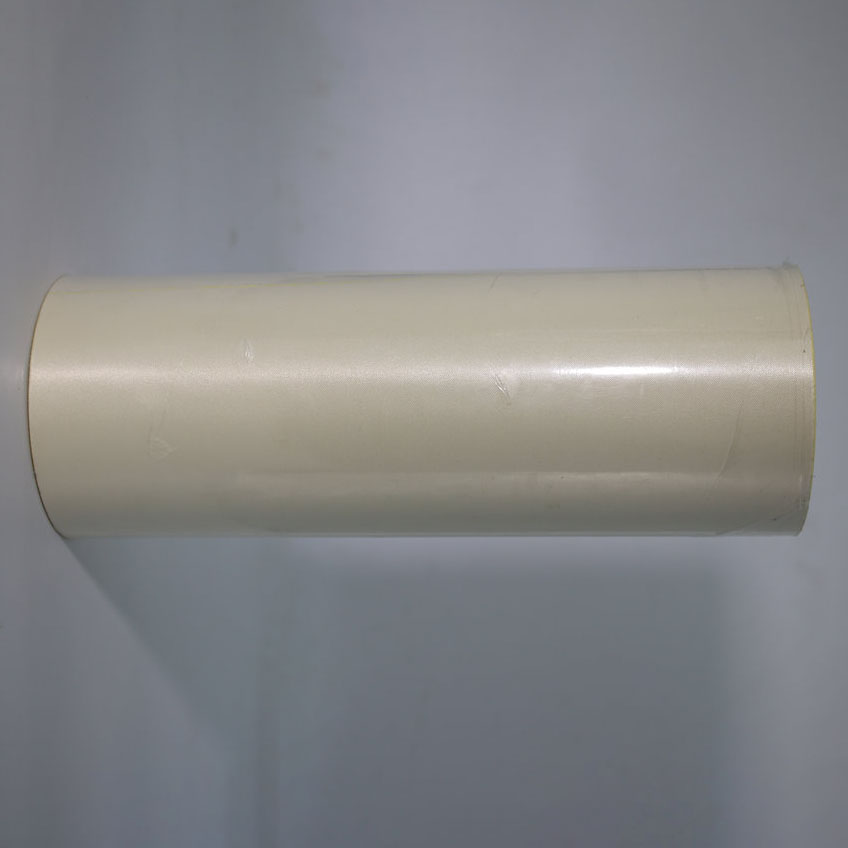 Can a Laser Inkjet and Thermal Transfer Compatible Printable Adhesive Label Tape Really Survive Warehouse Scuffs and Freezer Storage While Staying Scannable
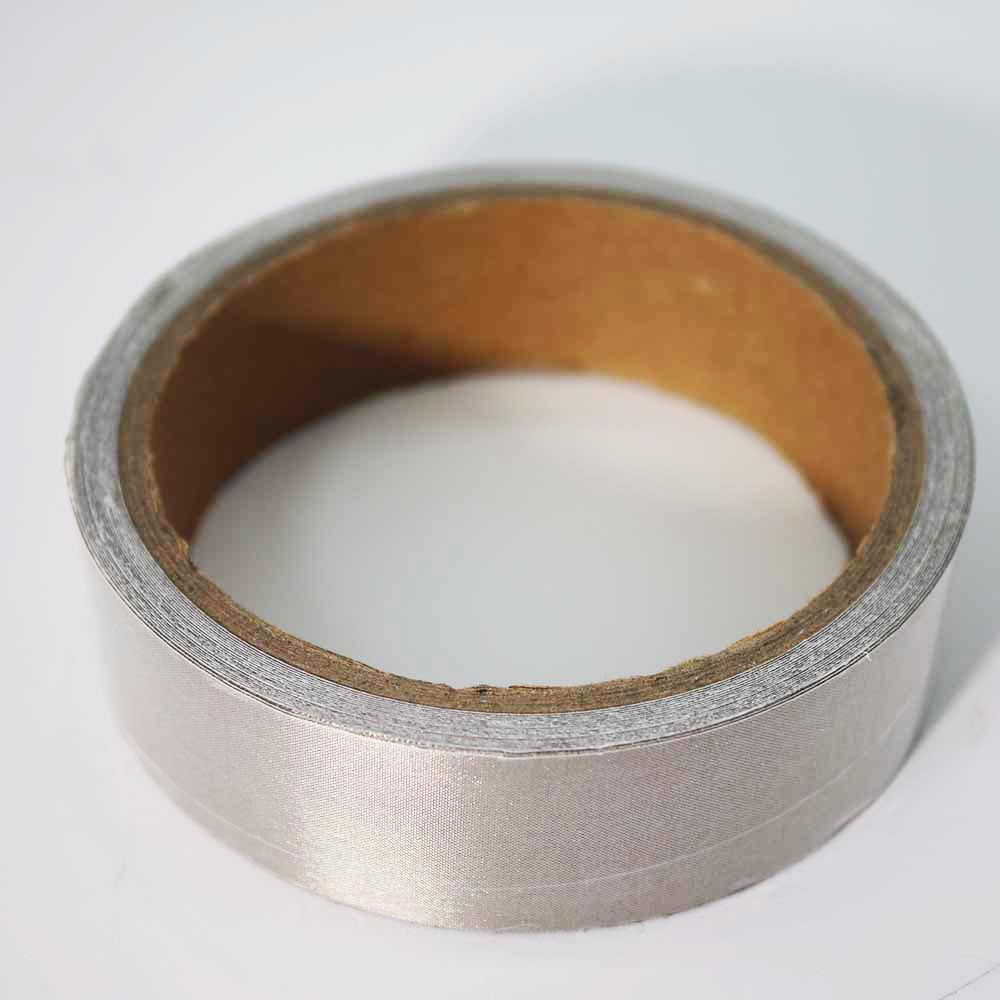 Does Double-Sided Conductive Fabric Tape Actually Replace Traditional EMI Gaskets in Compact Electronics?
 Will a Flame-Retardant Orange Fabric Wire Harness Tape Withstand 150 degrees Under the Hood Without Leaving Residue?
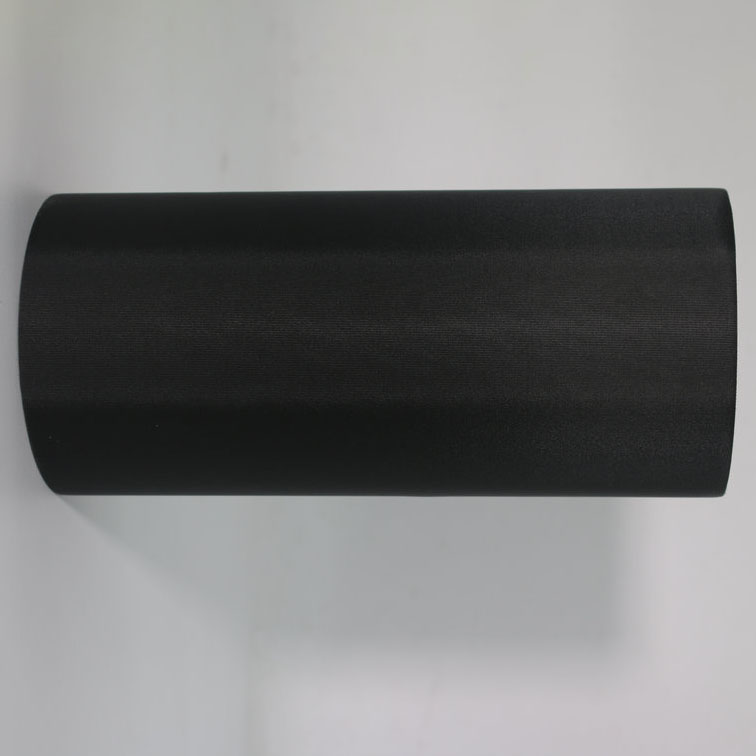 Can a Single Light-Blocking Tape Replace Multiple Shielding Layers in Display Assembly?
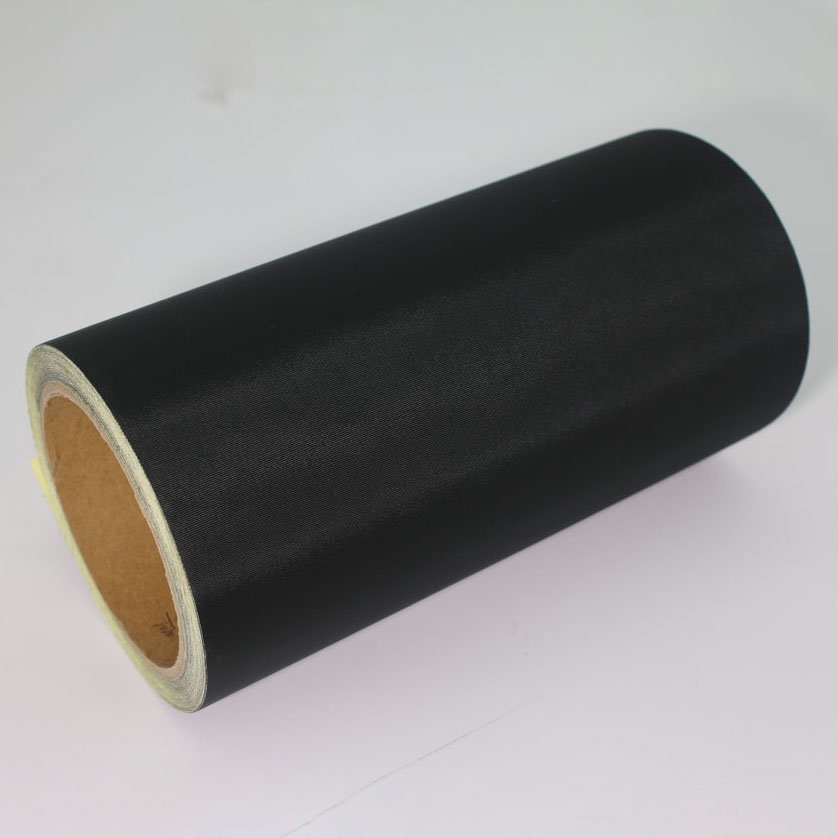 Can a 0.05mm Light Blocking Tape Really Deliver 99.9 percent Blackout for Sensitive Optics?
 Is Acetate Cloth Tape the Ultimate Flame-Retardant Solution for Electrical Insulation?
 Why High-Temperature Orange Automotive Wire Harness Tape is the Smart Choice for High-Heat Engine Bays
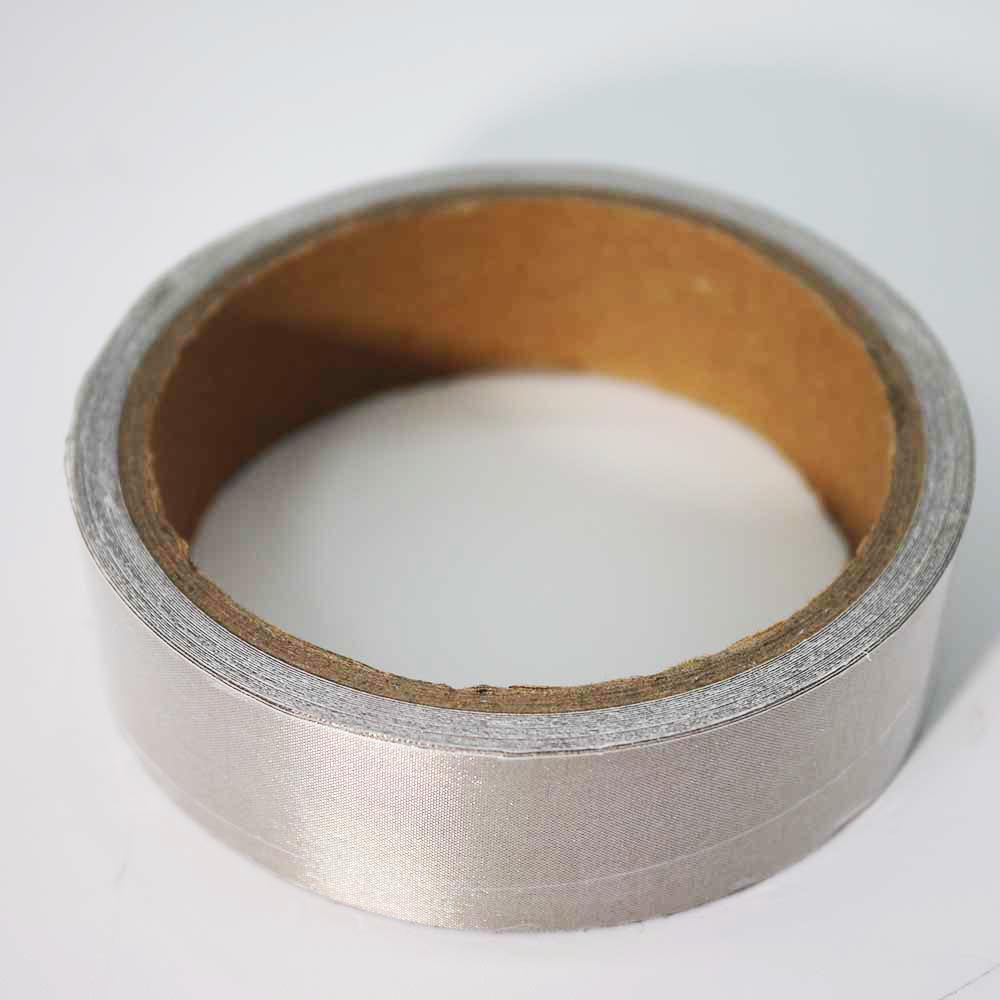 Can Double-Sided Conductive Fabric Tape Replace Traditional EMI Gaskets?
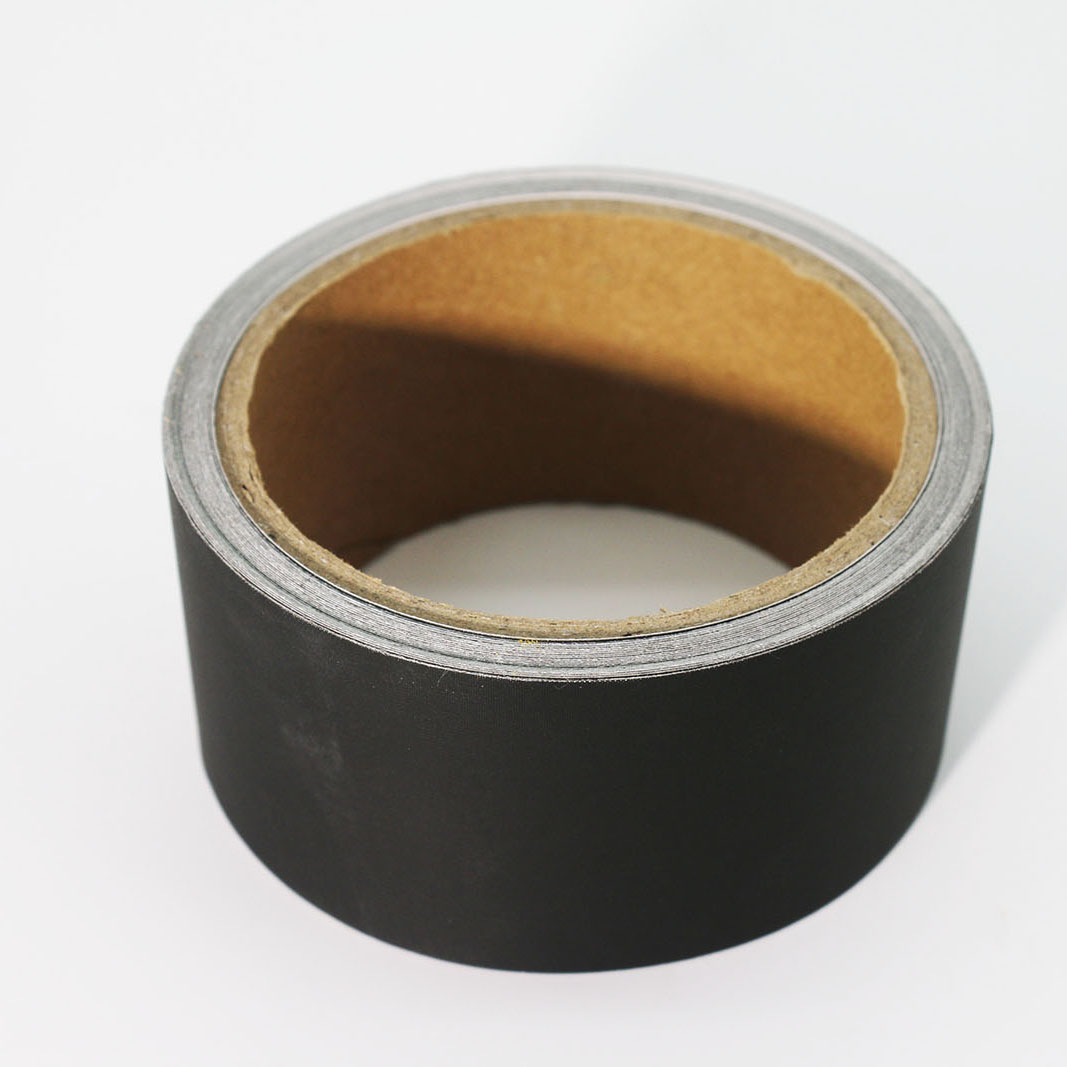 Why Black Conductive Fabric Tape is the Go-To for Light-Sensitive Electronics