
How to Customize Die-Cut Tape for Electronics Assembly: A U.S. Buyer's Guide
When it comes to electronics assembly, precision is everything. Whether you're building smartphones, smartwatches, or circuit boards, your adhesive solution needs to be just as advanced as your tech. That's where custom die-cut tape really shines. In this post, we’ll dive into how U.S. electronics manufacturers can get the perfect-fit die-cut tape from a China-based supplier, saving time and cutting costs.
Why Electronics Need Die-Cut Tape
In electronics manufacturing, adhesives do more than stick parts together. They provide insulation, EMI shielding, thermal conductivity, shock absorption, and even flame resistance. But here's the thing: generic tape just won’t do.
Die-cut tape allows for ultra-precise application with no trimming, no waste, and no room for error. From mounting camera modules to insulating batteries, die-cut tapes are your go-to invisible helper.
Key Properties for Electronics Die-Cut Tape
When customizing die-cut tape for electronics, U.S. buyers should consider:
-
Material: PET, PI (polyimide), foam, copper foil, or conductive fabric
-
Adhesive Type: Acrylic (permanent), silicone (heat-resistant), or rubber (flexible)
-
Thickness: Ultra-thin 0.05mm for tight spaces to 1mm foam for cushioning
-
Tolerance: ±0.1mm or better for high-precision components
-
Special Properties: Flame retardant, anti-static, low VOC, RoHS/UL approved
By customizing these parameters, you get tape that performs exactly as needed—without compromising your design.
Customization Options Offered by Chinese Factories
Sourcing from a Chinese die-cut tape manufacturer? Here's what we typically offer:
-
Custom shapes (L-shape, ring, U-shape, etc.)
-
Perforated or tabbed designs for easy peel
-
Multi-layer laminations (with PET liner, release film, or double-sided layers)
-
Anti-static or EMI shielding layers
-
Roll-fed or sheet formats
Plus, most suppliers (including us) offer free samples or prototyping for bulk orders. So you don’t gotta worry about trying before buying.
Real-World Applications in Electronics
Let’s take a quick look at how die-cut tapes are actually used in devices:
-
Smartphones/Tablets: camera foam rings, speaker mesh adhesives
-
Laptops/PCBs: insulating polyimide die-cuts between components
-
LEDs/Displays: thermal conductive tapes for heat dissipation
-
Battery Packs: flame-retardant adhesive for lithium-ion safety
-
EMI Solutions: conductive fabric tapes for shielding sensitive signals
Pretty neat, right?
Tips for U.S. Buyers When Ordering Custom Die-Cut Tape
Ordering from overseas doesn’t have to be scary. Just follow these tips:
-
🔹 Always send a CAD or DXF drawing with tolerances marked
-
🔹 Ask about available tooling options (flatbed, rotary, laser)
-
🔹 Confirm adhesive specs match your environmental conditions (heat, humidity)
-
🔹 Request a pre-production sample if ordering 10k+ pcs
-
🔹 Choose suppliers with full in-house production to avoid quality inconsistency
Why Choose a China Manufacturer for Die-Cut Tape?
Truth be told, many U.S. converters mark up die-cut tapes heavily. When you work with a China-based factory supplier like us, you cut out the middleman and get:
-
Lower unit cost
-
Fast lead times
-
Flexible customization
-
One-stop support (materials + cutting)
And our team knows how to work with international engineering standards.
Conclusion
For U.S. electronics manufacturers, custom die-cut tape is more than just a sticking solution—it's a performance component. By working directly with a die-cut tape supplier in China, you gain access to custom materials, precision cutting, and OEM-level support.
If you’re sourcing for your electronics project, let’s talk specs!
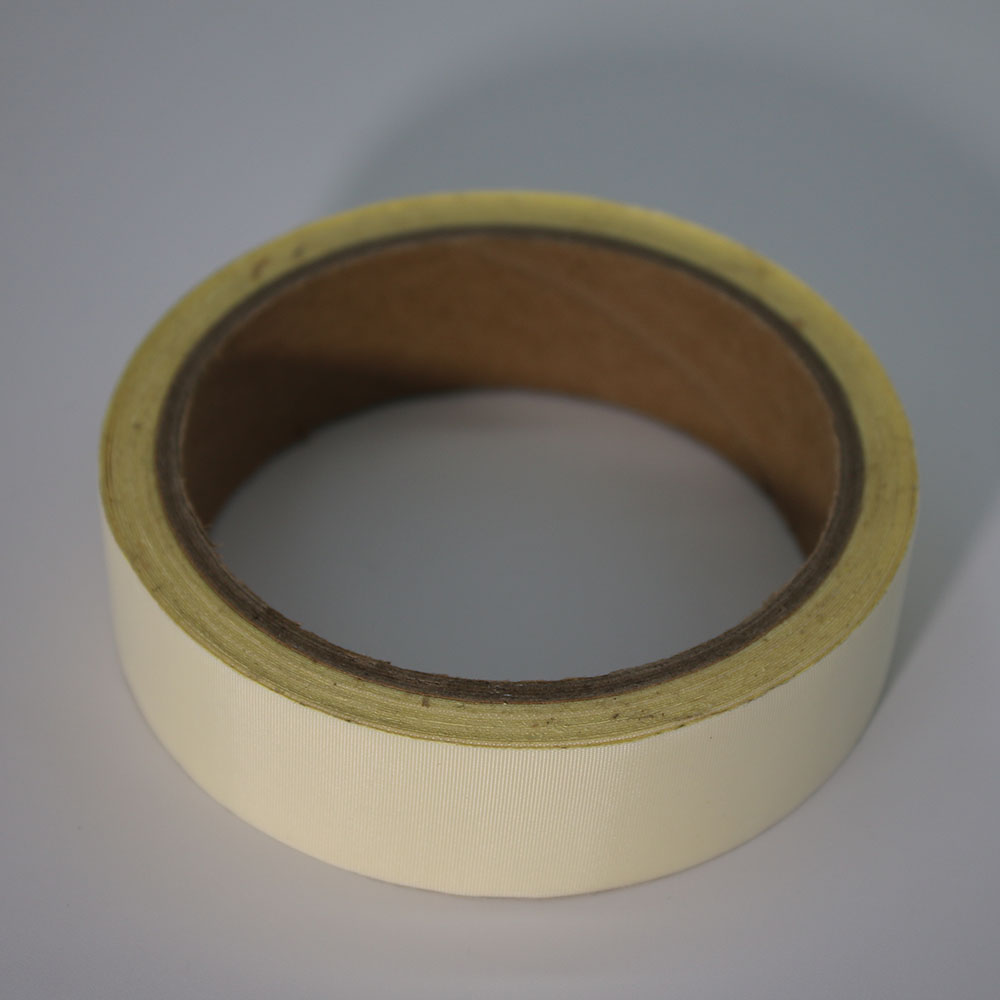 Can a Multi-Layer Nylon Cloth Tape with Optional Aluminum Foil Backing Really Bundle Hot-Engine Wiring and Absorb Minor Vibration in One Wrap
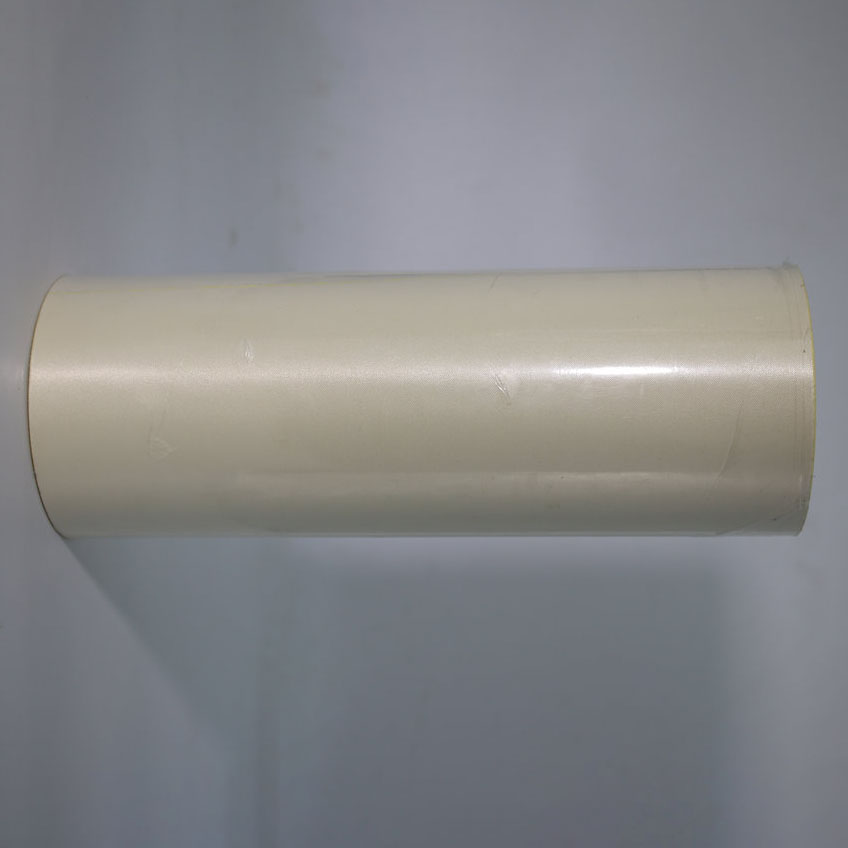 Can a Laser Inkjet and Thermal Transfer Compatible Printable Adhesive Label Tape Really Survive Warehouse Scuffs and Freezer Storage While Staying Scannable
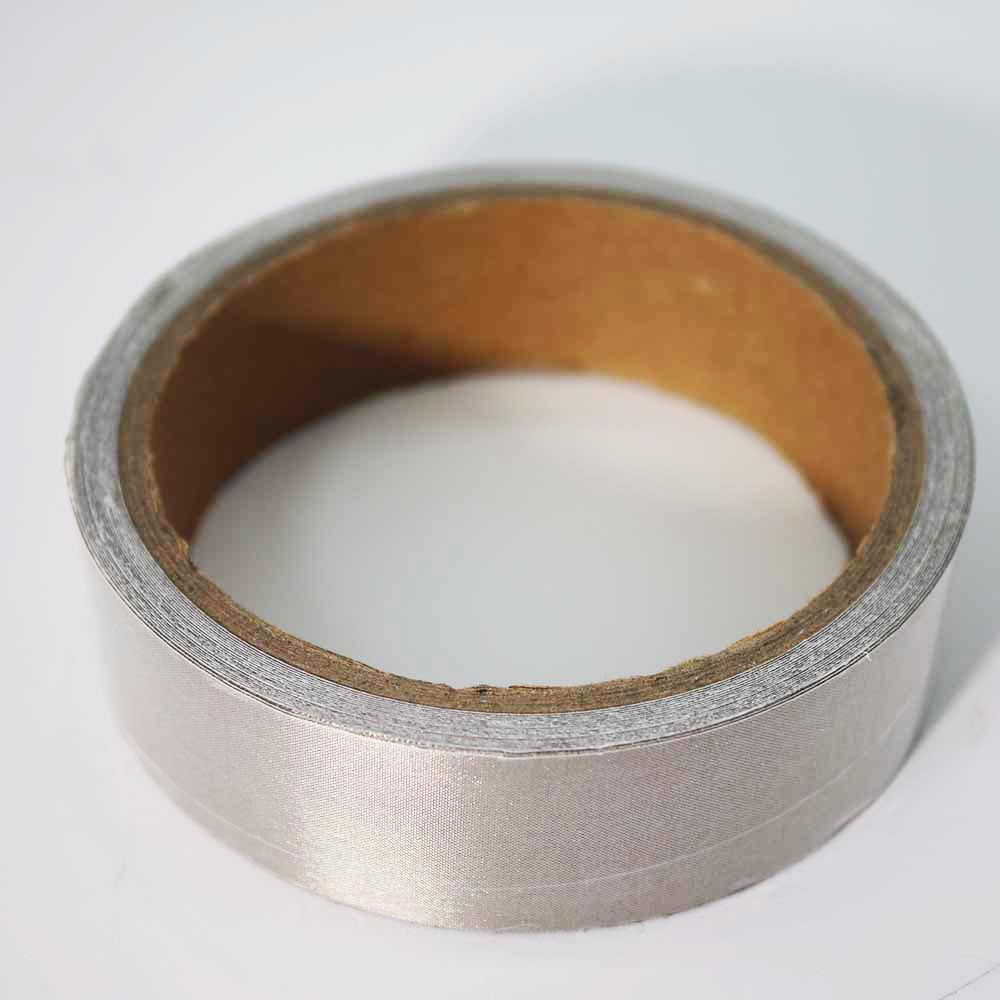 Does Double-Sided Conductive Fabric Tape Actually Replace Traditional EMI Gaskets in Compact Electronics?
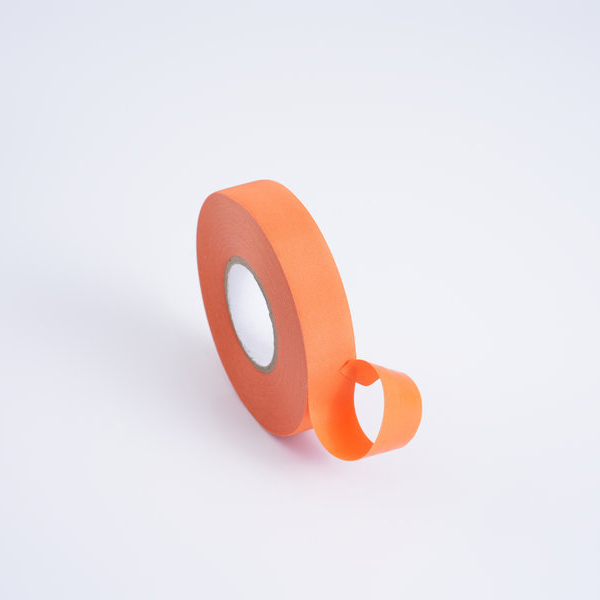 Will a Flame-Retardant Orange Fabric Wire Harness Tape Withstand 150 degrees Under the Hood Without Leaving Residue?
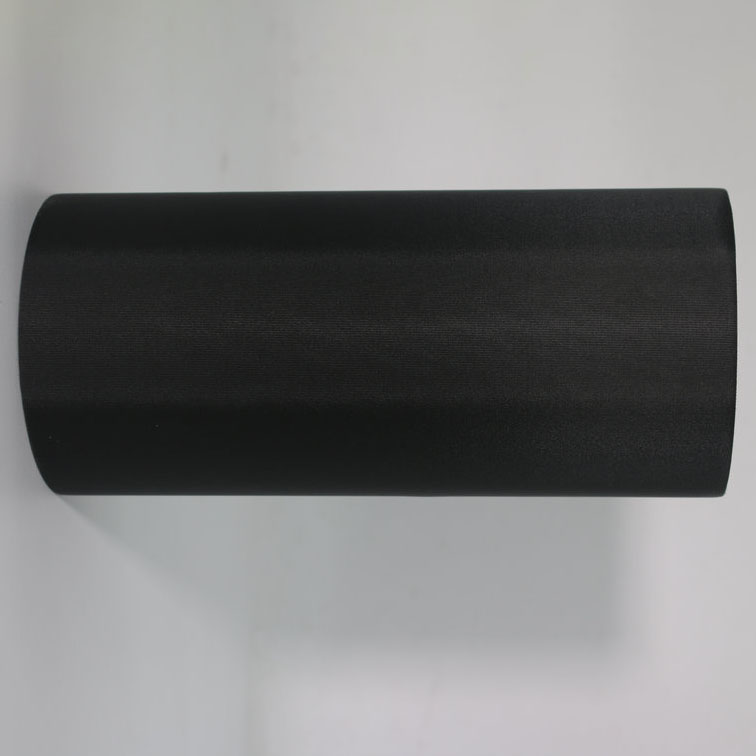 Can a Single Light-Blocking Tape Replace Multiple Shielding Layers in Display Assembly?
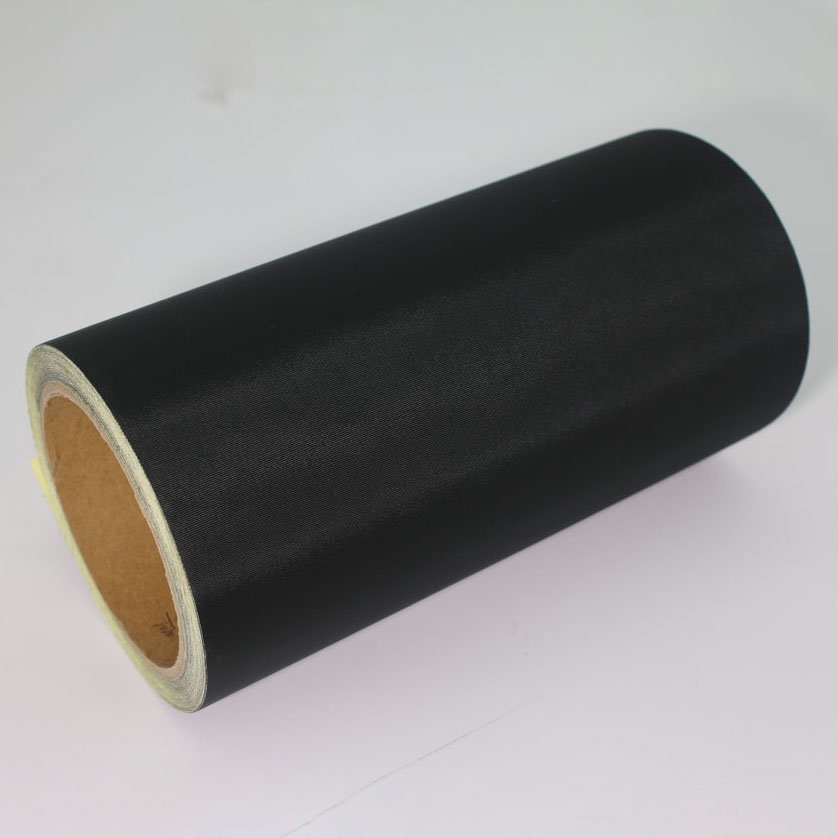 Can a 0.05mm Light Blocking Tape Really Deliver 99.9 percent Blackout for Sensitive Optics?
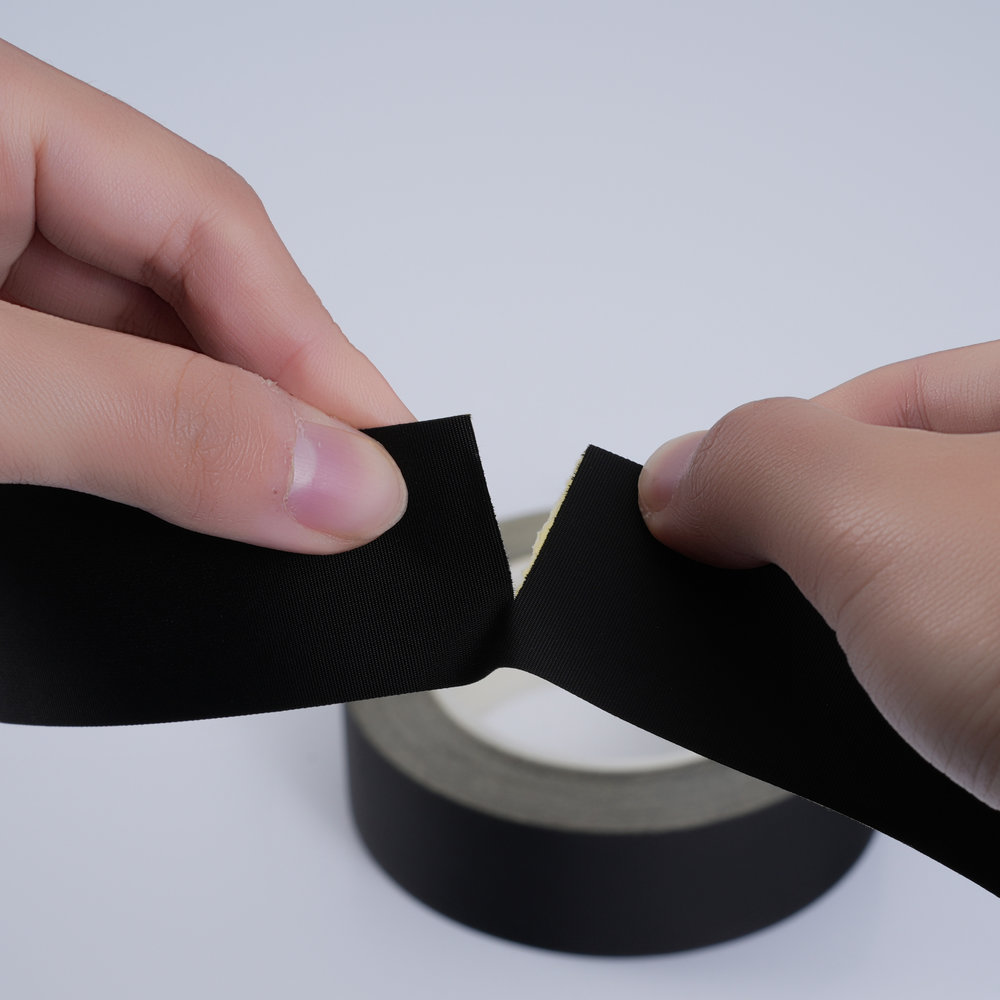 Is Acetate Cloth Tape the Ultimate Flame-Retardant Solution for Electrical Insulation?
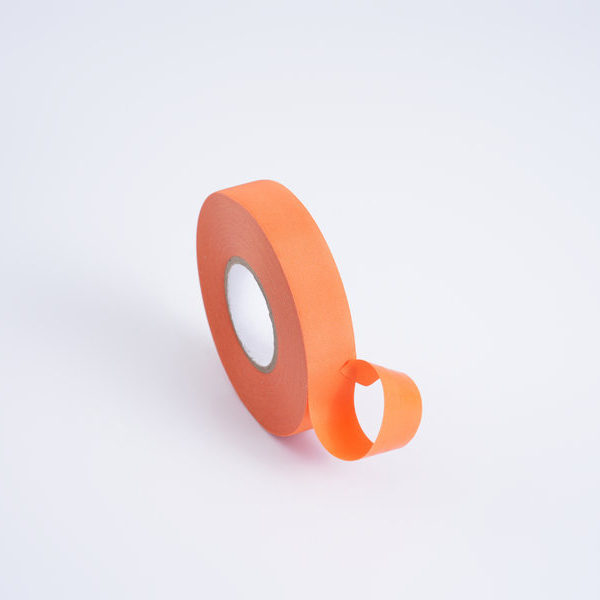 Why High-Temperature Orange Automotive Wire Harness Tape is the Smart Choice for High-Heat Engine Bays
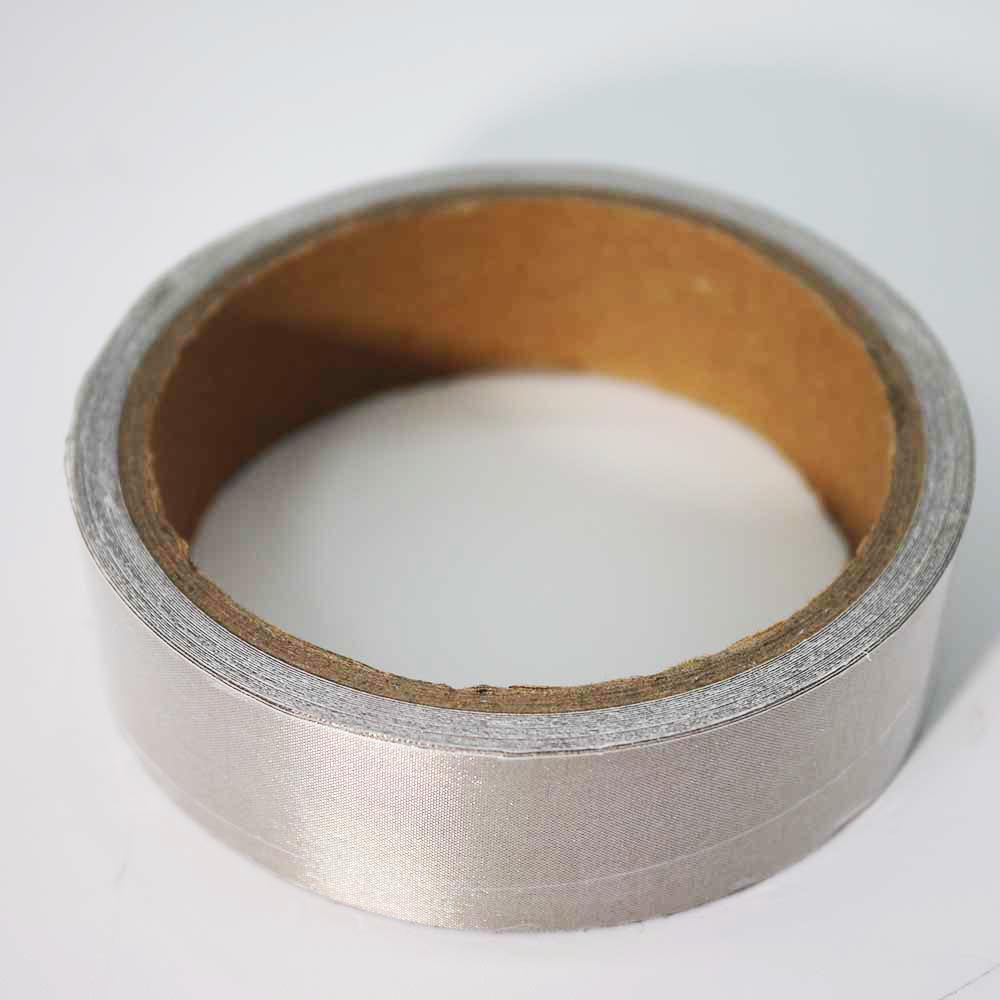 Can Double-Sided Conductive Fabric Tape Replace Traditional EMI Gaskets?
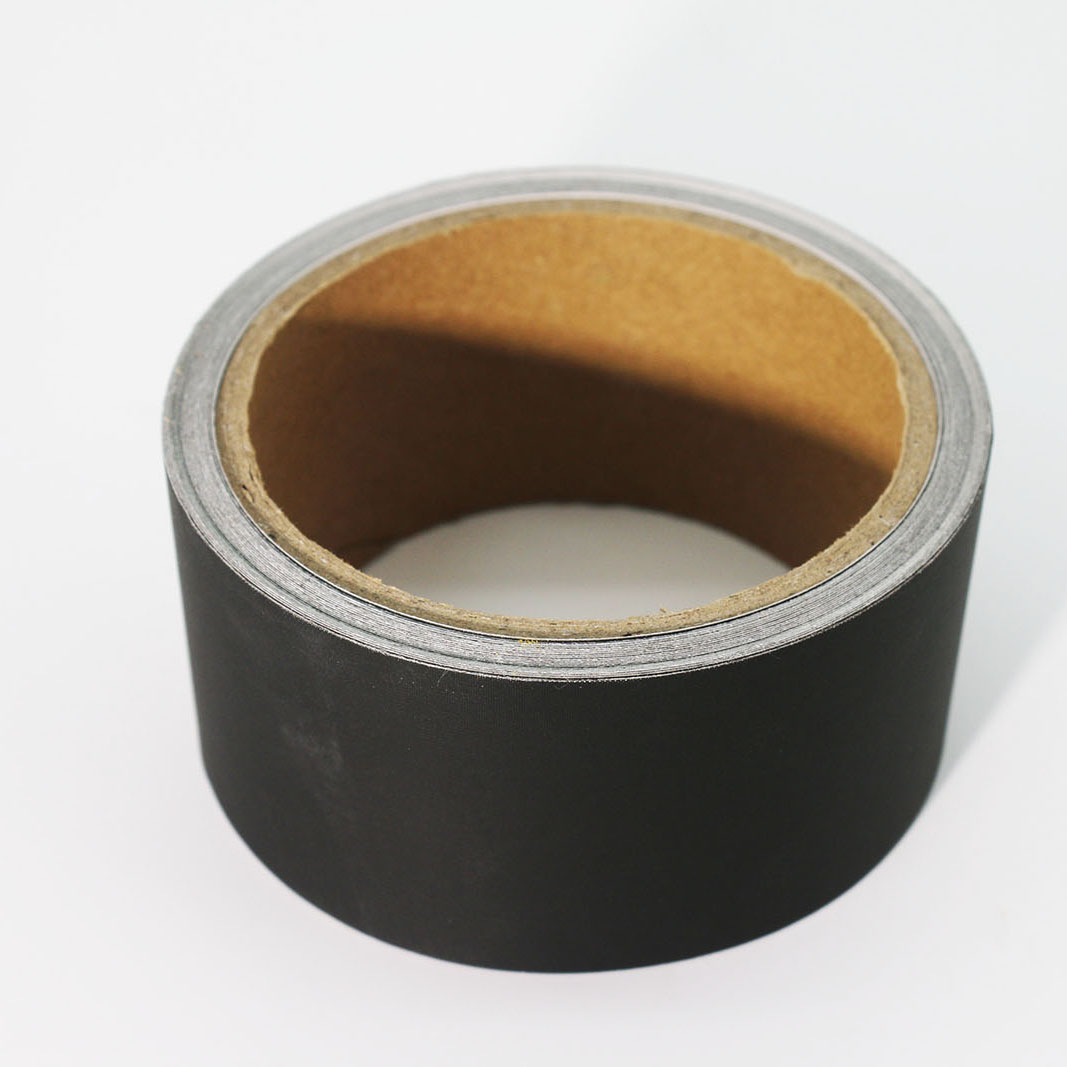 Why Black Conductive Fabric Tape is the Go-To for Light-Sensitive Electronics