
Choosing the Right Adhesive for Heat-Resistant Electrical Tapes
When it comes to electrical equipment, heat-resistant tapes are often the first line of defense against high temperatures, insulation failure, and long-term wear. But did you know that the adhesive used on these tapes is just as important as the tape material itself? Choosing the right adhesive can make the difference between a reliable installation and frequent maintenance headaches.
In our previous blogs, we discussed heat resistance in tapes, conductive vs insulating tapes, and applications in transformers, motors, and wire harnesses. Now, let’s focus on the adhesive side of things.
Why Adhesive Choice Matters
The adhesive is the component that keeps the tape in place, ensures proper bonding, and maintains insulation or EMI protection over time. The wrong adhesive can cause:
-
Tape lifting or peeling
-
Reduced thermal resistance
-
Short circuits or poor insulation
-
Premature wear under vibration or humidity
For heat-resistant electrical tapes, you need adhesives that can withstand temperature extremes, adhere to various surfaces, and remain durable over the product’s lifetime.
Types of Adhesives for High-Temperature Tapes
-
Acrylic Adhesives
-
High thermal stability (often up to 150–200°C)
-
Excellent aging and UV resistance
-
Ideal for long-term insulation and industrial applications
-
-
Silicone Adhesives
-
Exceptional heat resistance (can exceed 250°C)
-
Flexible and soft, suitable for uneven surfaces
-
Common in high-temperature electronics, motors, and automotive components
-
-
Rubber-Based Adhesives
-
Strong initial tack, sticks quickly to surfaces
-
Moderate heat resistance (typically up to 120°C)
-
Great for temporary or lower-temperature applications
-
-
Specialty Adhesives
-
Conductive adhesives for EMI/EMC shielding
-
Flame-retardant adhesives for fire safety compliance
-
Matching Adhesive to Application
When choosing the right adhesive, consider the following:
-
Operating Temperature: Ensure the adhesive can withstand the maximum temperature of your application. For transformers, motors, and engine compartments, silicone or high-temp acrylic adhesives are preferred.
-
Surface Type: Smooth metals, plastics, or wires may require different adhesive strengths. Rubber adhesives are flexible but may not stick well to slick surfaces.
-
Environmental Factors: Exposure to humidity, oils, or UV light can degrade some adhesives. Acrylic adhesives are generally more resistant to these conditions.
-
Longevity vs Removability: Some adhesives are permanent, while others allow clean removal. Choose based on whether the tape needs future maintenance.
Practical Tips for Installation
-
Clean surfaces before applying tape for maximum adhesion.
-
Avoid stretching the tape too much, as it can reduce adhesive performance.
-
Layer tapes carefully when using conductive and insulating combinations; adhesive compatibility matters.
-
Store tapes in cool, dry conditions to maintain adhesive properties.
By carefully selecting the adhesive that fits your heat-resistant tape and application, you ensure reliable insulation, safety, and long-term performance.
Conclusion
Not all heat-resistant electrical tapes are created equal, and neither are their adhesives. Whether you’re working on automotive wiring, industrial machinery, or high-temperature electronic components, choosing the right adhesive is key to long-term success. High-quality adhesives like acrylic and silicone offer durability, thermal stability, and resistance to environmental stress, ensuring your tapes perform as intended.
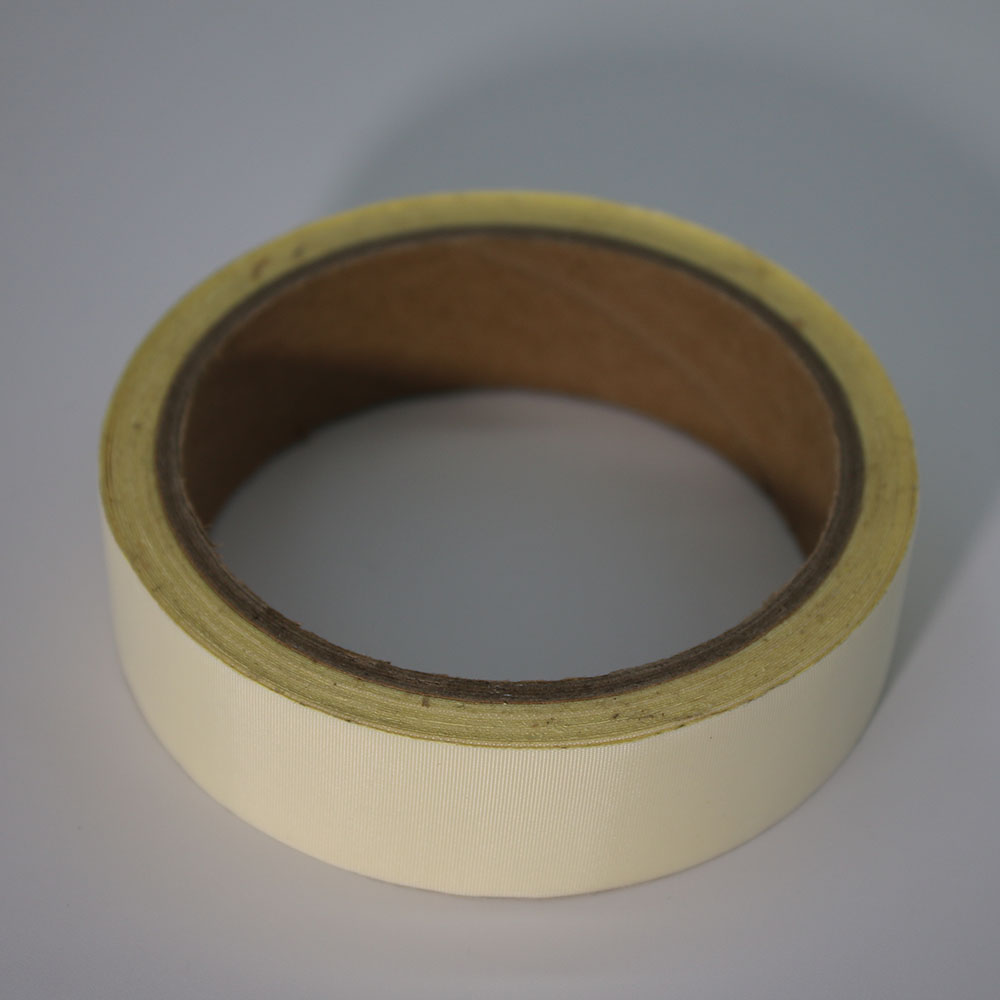 Can a Multi-Layer Nylon Cloth Tape with Optional Aluminum Foil Backing Really Bundle Hot-Engine Wiring and Absorb Minor Vibration in One Wrap
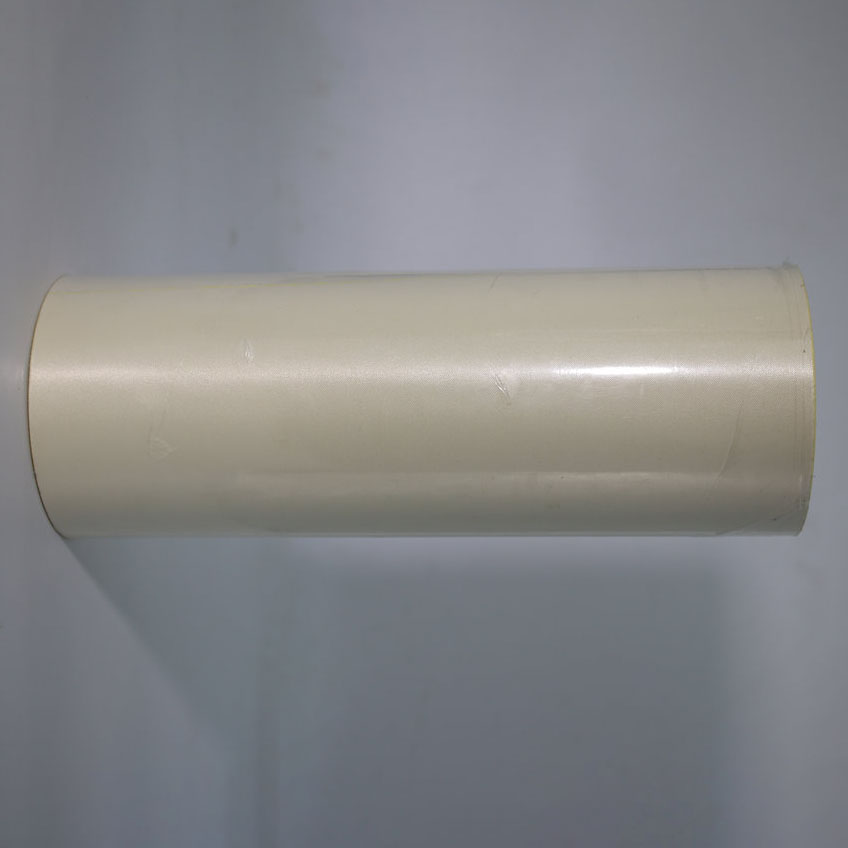 Can a Laser Inkjet and Thermal Transfer Compatible Printable Adhesive Label Tape Really Survive Warehouse Scuffs and Freezer Storage While Staying Scannable
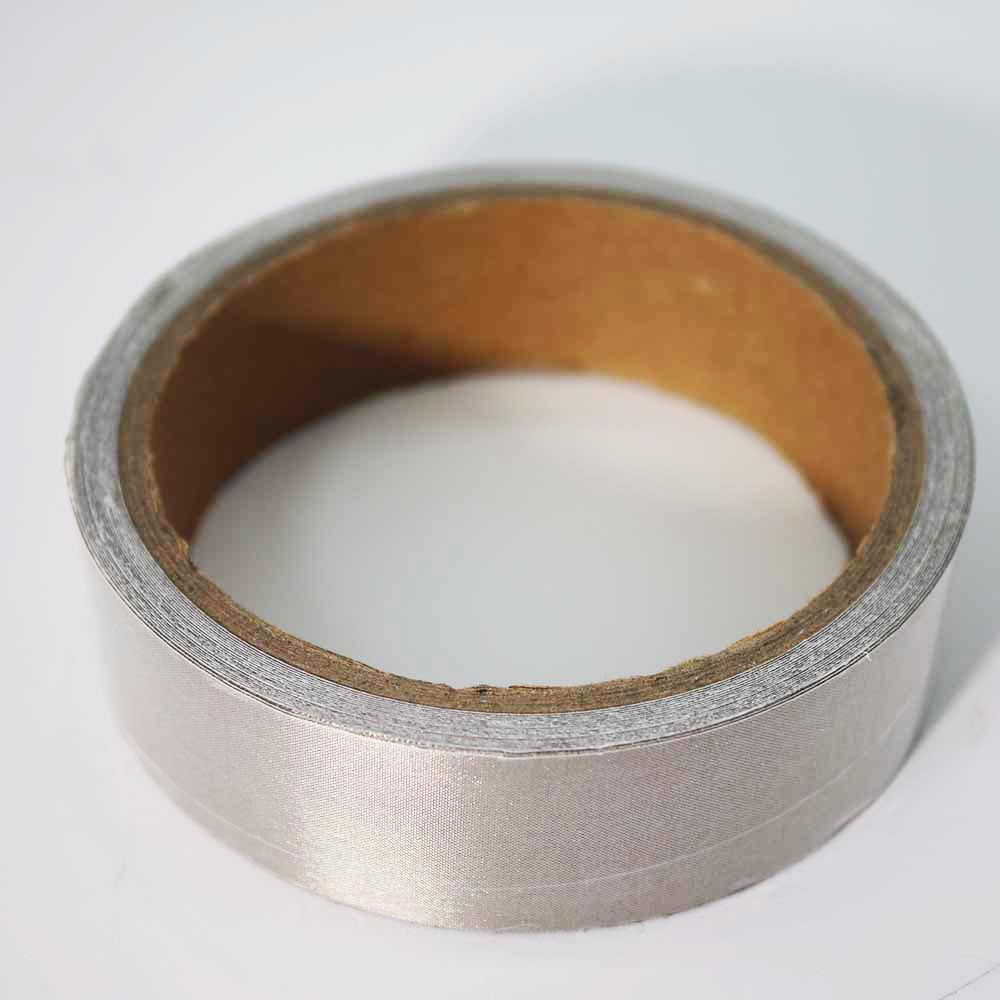 Does Double-Sided Conductive Fabric Tape Actually Replace Traditional EMI Gaskets in Compact Electronics?
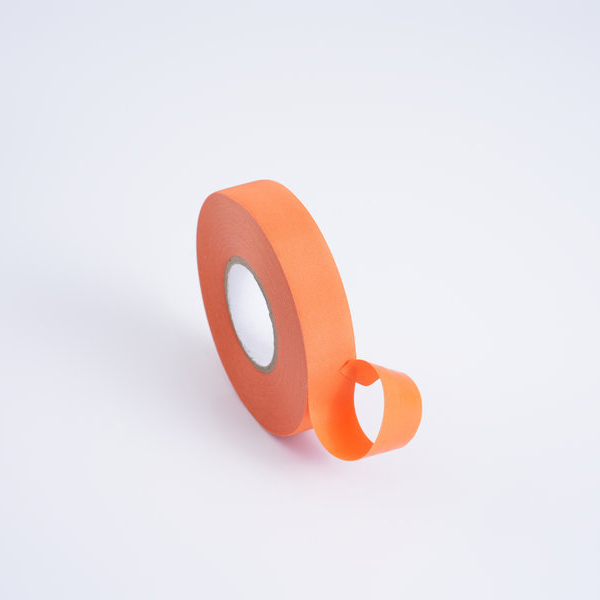 Will a Flame-Retardant Orange Fabric Wire Harness Tape Withstand 150 degrees Under the Hood Without Leaving Residue?
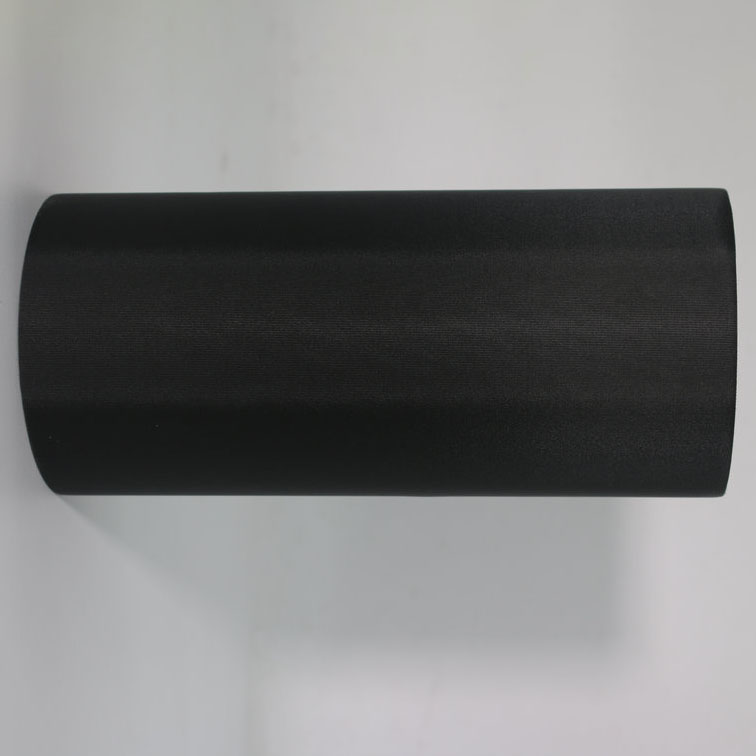 Can a Single Light-Blocking Tape Replace Multiple Shielding Layers in Display Assembly?
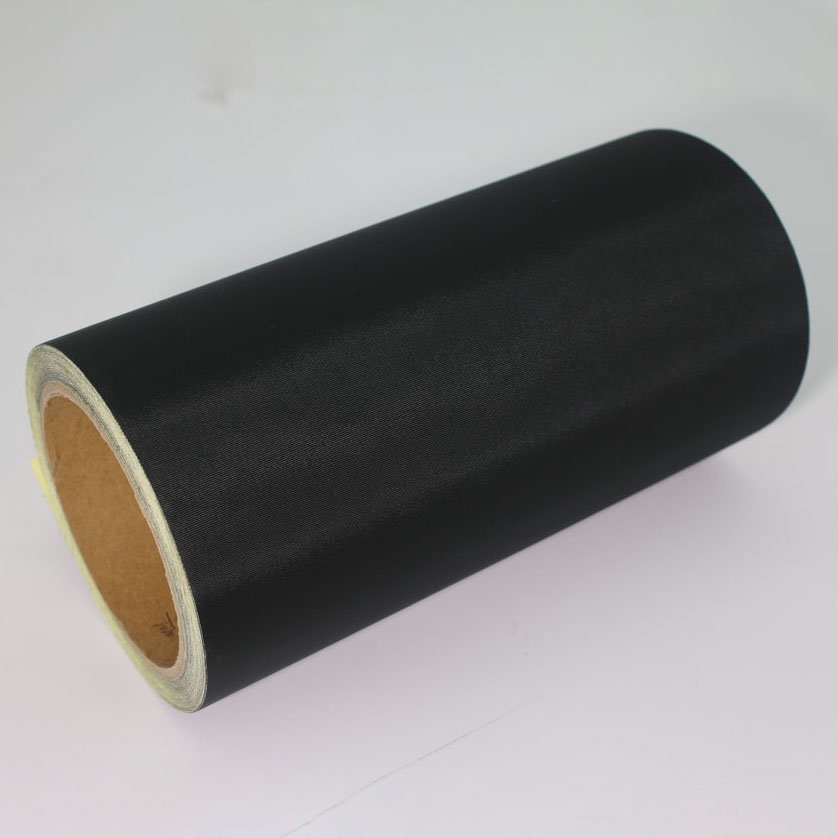 Can a 0.05mm Light Blocking Tape Really Deliver 99.9 percent Blackout for Sensitive Optics?
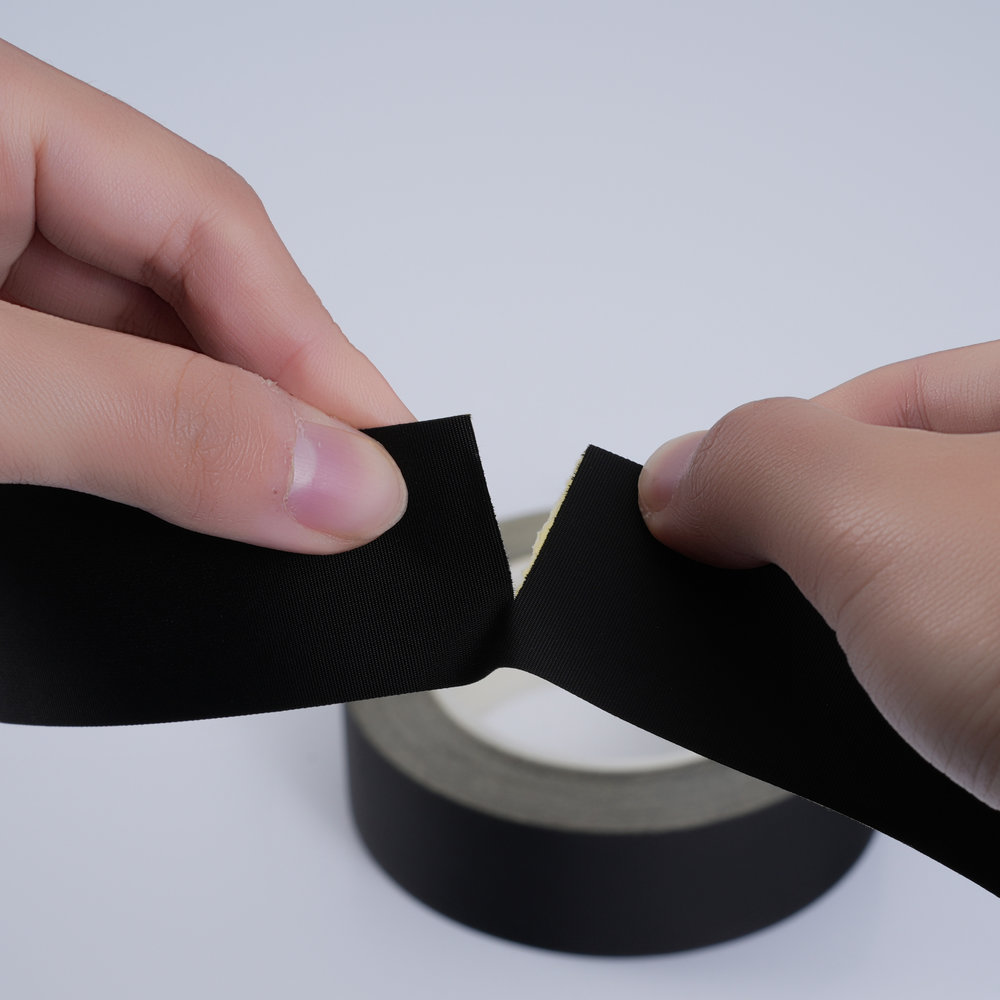 Is Acetate Cloth Tape the Ultimate Flame-Retardant Solution for Electrical Insulation?
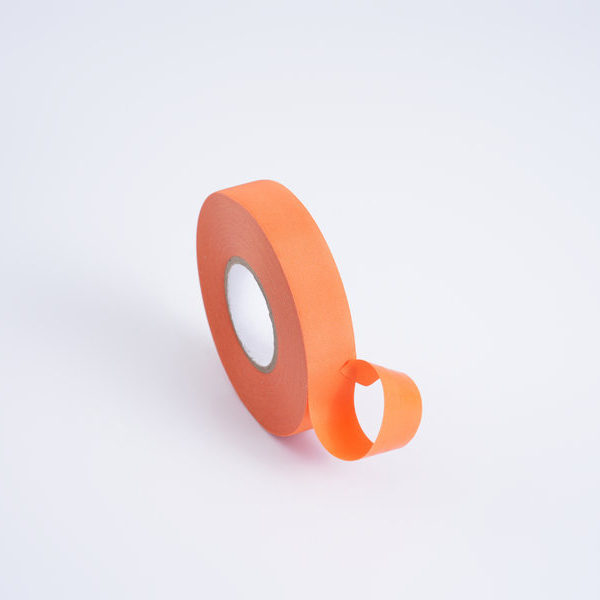 Why High-Temperature Orange Automotive Wire Harness Tape is the Smart Choice for High-Heat Engine Bays
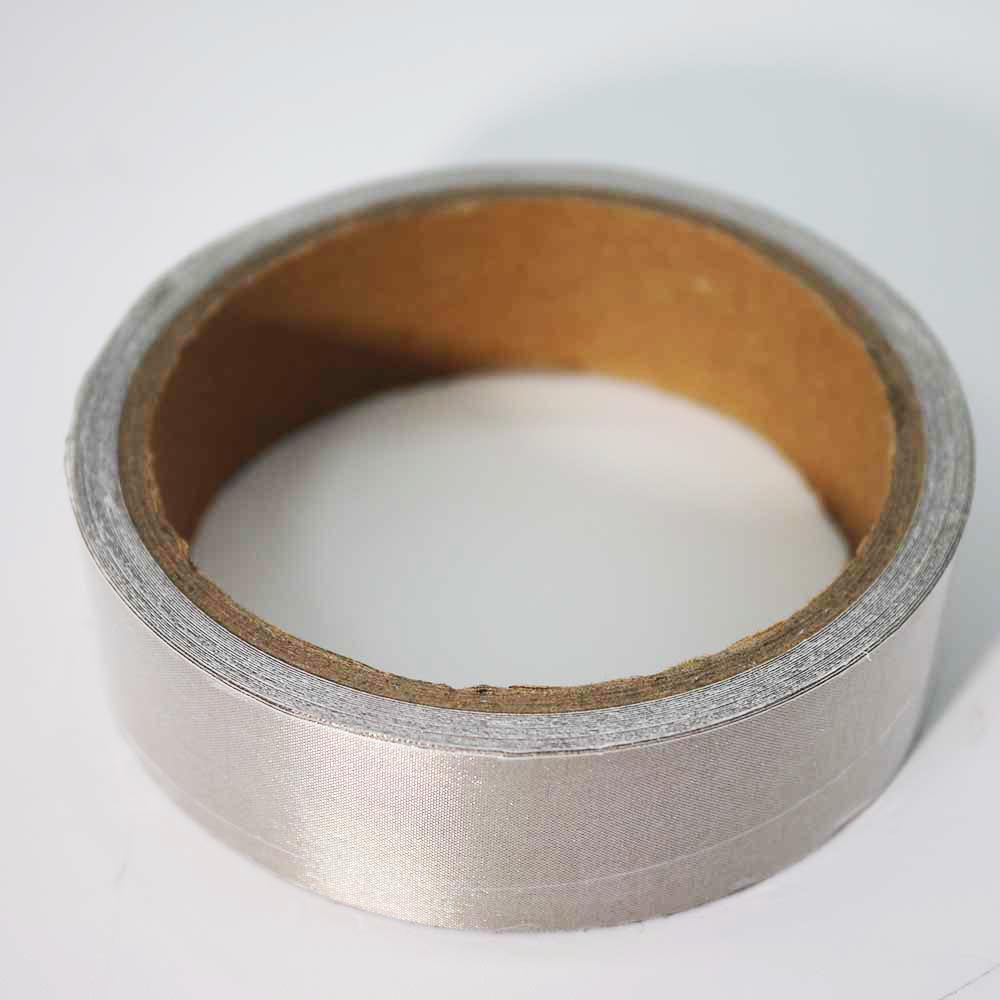 Can Double-Sided Conductive Fabric Tape Replace Traditional EMI Gaskets?
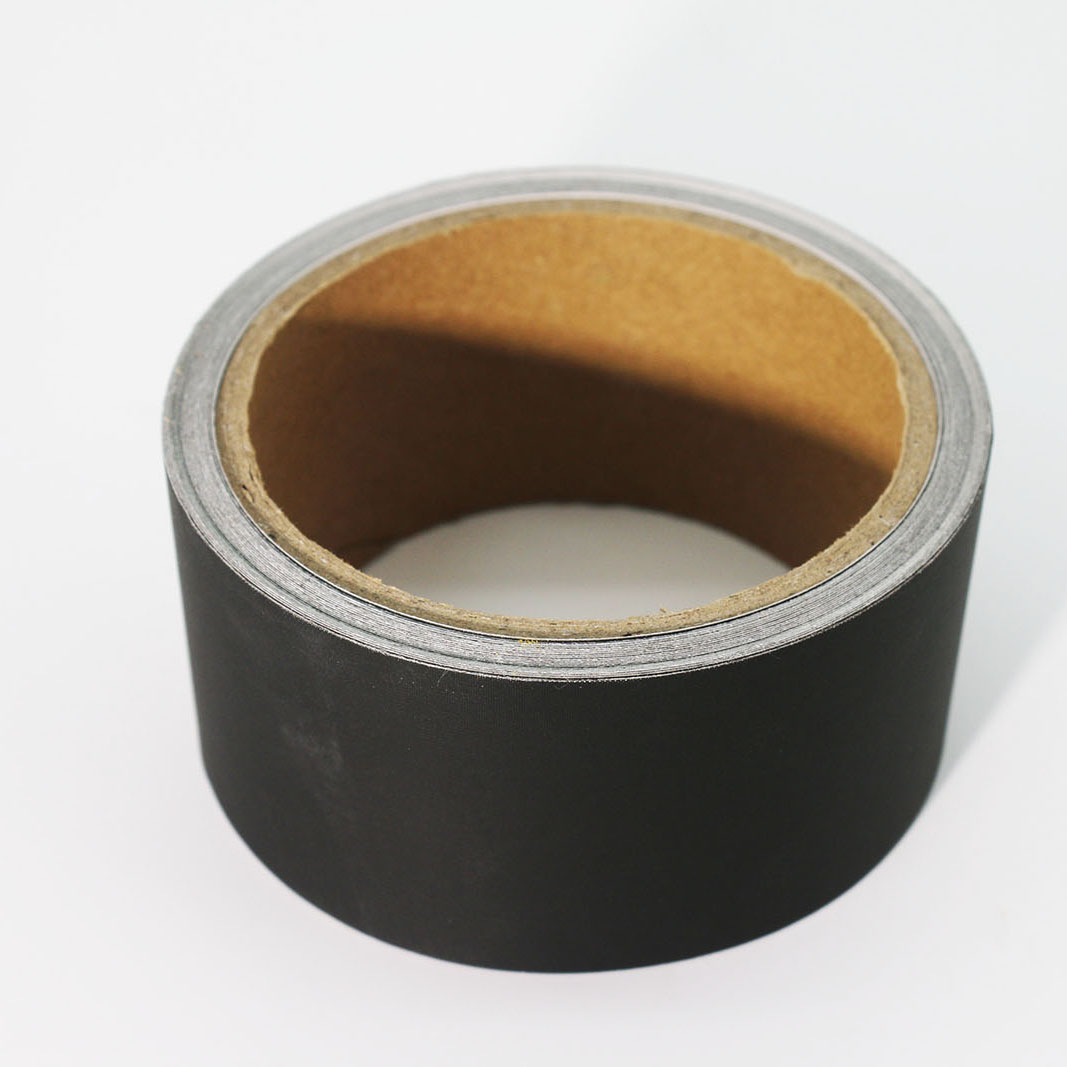 Why Black Conductive Fabric Tape is the Go-To for Light-Sensitive Electronics