
What Is Die-Cut Tape and Why It Matters for Industrial Applications
Whether you’re in electronics manufacturing, automotive assembly, or industrial labeling, chances are you've heard of die-cut tape—but maybe you're not quite sure what sets it apart or how it’s actually used across so many industries.
This guide will explain what die-cut tape is, why it's so important in modern production lines, and how China-based die-cut tape suppliers are helping global manufacturers reduce waste, save costs, and improve efficiency.
What Exactly Is Die-Cut Tape?
Simply put, die-cut tape refers to pressure-sensitive adhesive tape that’s been pre-cut into custom shapes or sizes using specialized tooling—called dies. Unlike traditional rolls, these custom-cut pieces can be designed to fit into complex assemblies without manual trimming.
There are different cutting methods, like:
-
Flat-bed die cutting (good for short runs or thick material)
-
Rotary die cutting (ideal for high-speed roll processing)
-
Laser die cutting (perfect for ultra-precise and intricate designs)
These methods allow for mass production of parts like:
-
Insulation pads
-
EMI shielding layers
-
Masking tape for PCB processes
-
Sealing tape in smartphones
-
Thermal transfer pads
And you know what? It’s super customizable. Like, insanely so.
Why Die-Cut Tape Matters in Industrial Settings
Let’s be real—industrial production is all about precision, speed, and reliability. Die-cut tape hits all three:
-
Precision
Each tape piece is made to fit exactly where it needs to go—no trimming, no extra cutting, just peel and stick. -
Efficiency
Pre-cut tapes reduce manual labor and speed up production lines. You don’t need to measure and cut each piece on-site. -
Clean Application
Since there's no on-site cutting, there's no dust, burrs, or adhesive mess. That’s huge for electronics or optics. -
Material Savings
By designing the die layout smartly, you minimize scrap. That means lower cost per unit. -
Packaging Flexibility
You can get die-cut tape in rolls, sheets, kiss-cut on liners, or even as individual parts. Whatever fits your line best.
Industries That Rely on Die-Cut Tape
Here’s a peek at where die-cut tape really shines:
-
Electronics & PCB assembly
Used for masking, insulation, bonding, and EMI shielding. -
Automotive sensors & dashboards
Precision-cut tapes help with heat resistance, bonding parts, and vibration damping. -
Medical device manufacturing
Die-cut hypoallergenic tapes help with skin adhesion, device sealing, and sterilization integrity. -
Home appliances & consumer goods
Used to fix LED panels, secure screens, or mount components without visible fasteners. -
Logistics & barcode systems
Die-cut printable tapes support on-demand labeling in warehouses.
Common Materials Used in Die-Cut Tape
You can source die-cut adhesive tapes in a huge variety of materials:
-
PET for transparency and strength
-
Foam tape for cushioning and sealing
-
Kapton/PI for high heat resistance
-
Conductive fabric for EMI applications
-
Double-sided tapes for structural bonding
-
Non-woven fabric for flexible and lightweight parts
Quick note: We seen buyers pick the wrong material pretty often (yes, on accident). That can lead to delamination, weak bonding, or adhesive residue—so always confirm your specs.
Why Work With a China Die-Cut Tape Manufacturer?
If you’re sourcing in bulk, China-based die-cut tape suppliers offer some serious advantages:
-
Custom shape design based on your CAD files or physical samples
-
Factory-direct pricing (no middlemen markup)
-
Fast prototyping for new product launches
-
Material certification (RoHS, UL, REACH available)
-
Flexible order volumes, from samples to mass production
-
OEM/ODM support for branded or private-label tape
Basically, it’s your one-stop shop for all things tape.
Final Thoughts
Die-cut tape isn’t just another packaging product—it’s a smart solution that improves accuracy, productivity, and consistency across industries. Whether you're producing medical devices, automotive sensors, or mobile phones, custom die-cut adhesive solutions can transform your process.
So, if you're planning your next sourcing move, don’t forget to consider die-cut tape—and maybe partner with a reliable China manufacturer and supplier who knows their stuff.
Got questions? Don’t be shy—reach out and let’s talk tape.
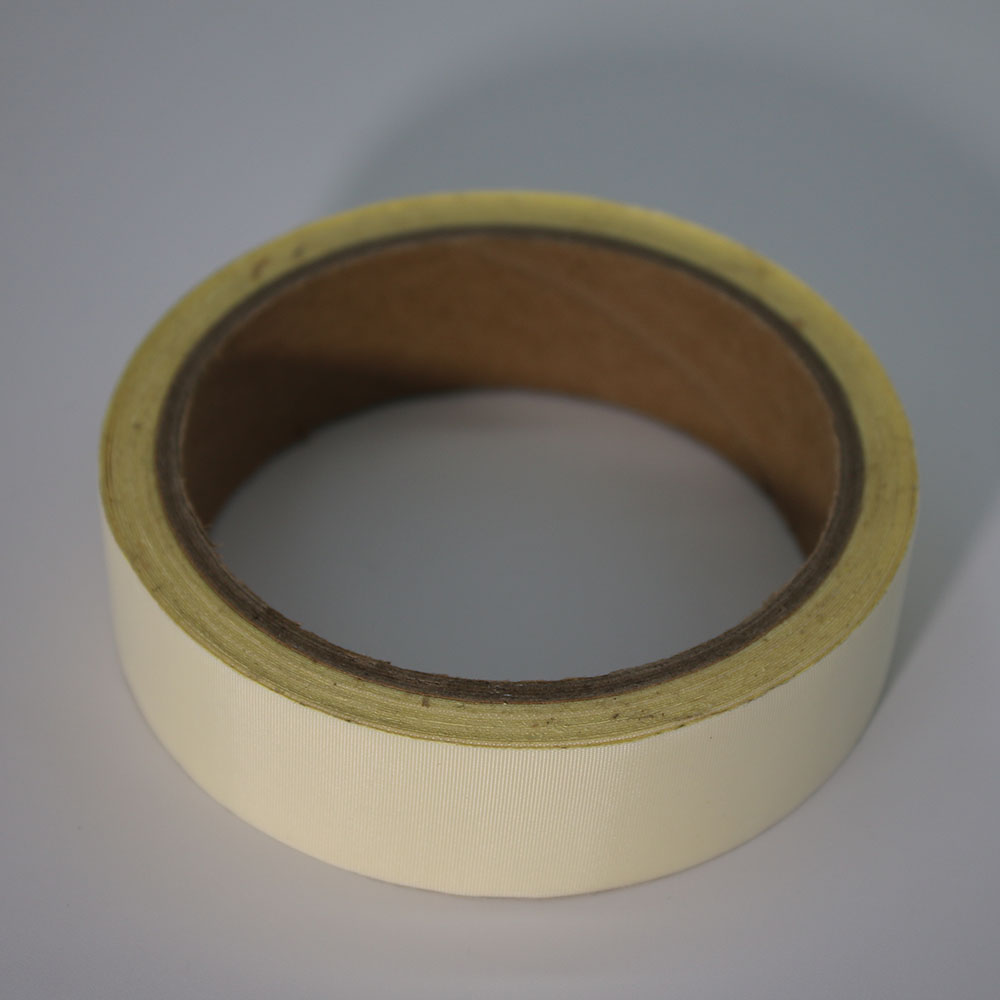 Can a Multi-Layer Nylon Cloth Tape with Optional Aluminum Foil Backing Really Bundle Hot-Engine Wiring and Absorb Minor Vibration in One Wrap
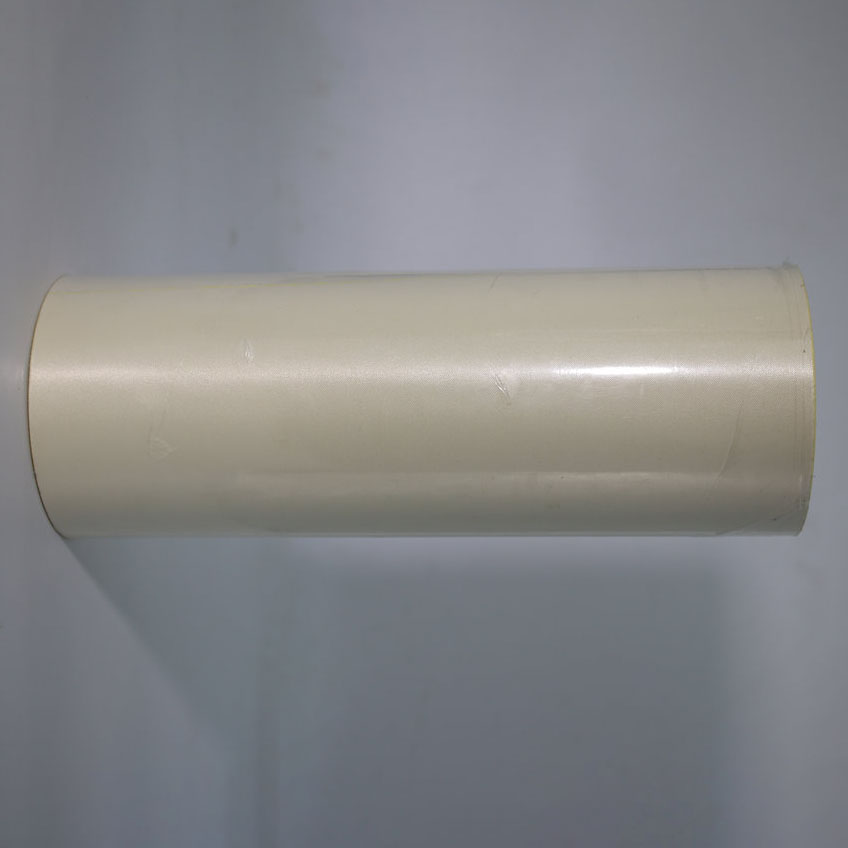 Can a Laser Inkjet and Thermal Transfer Compatible Printable Adhesive Label Tape Really Survive Warehouse Scuffs and Freezer Storage While Staying Scannable
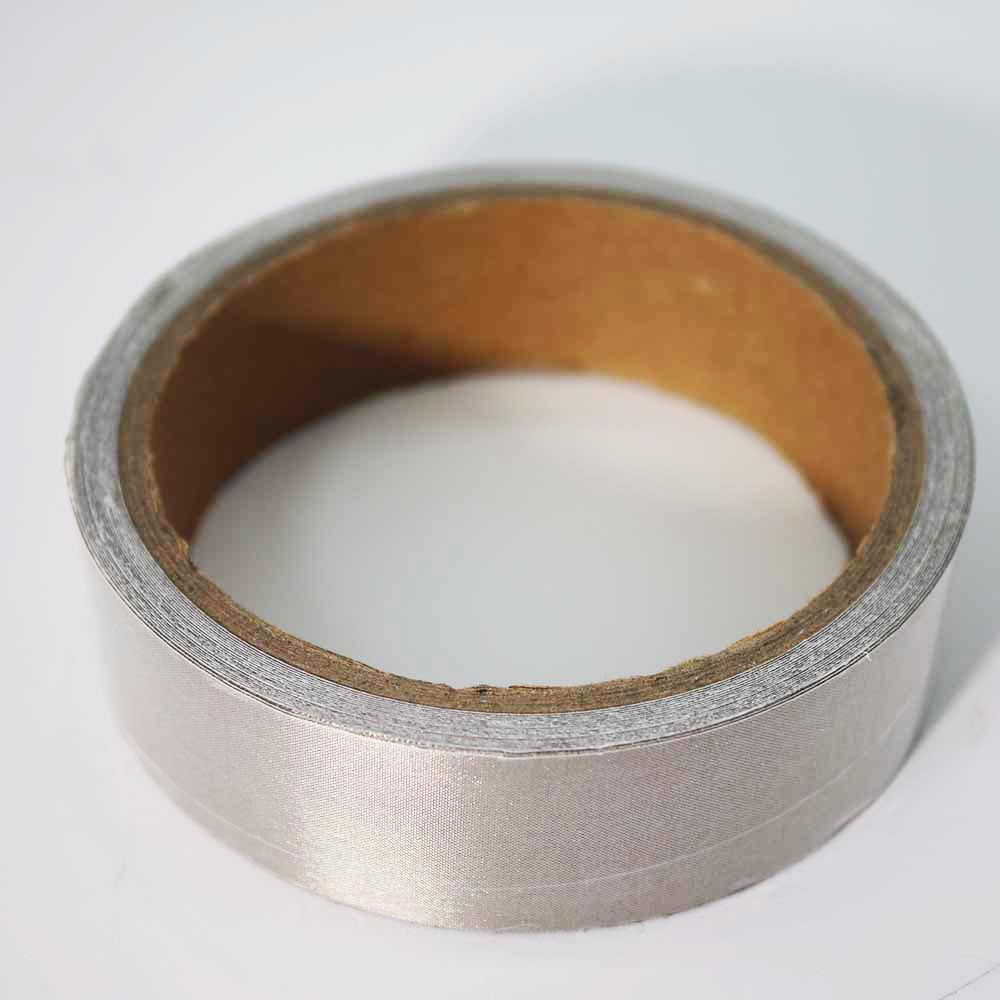 Does Double-Sided Conductive Fabric Tape Actually Replace Traditional EMI Gaskets in Compact Electronics?
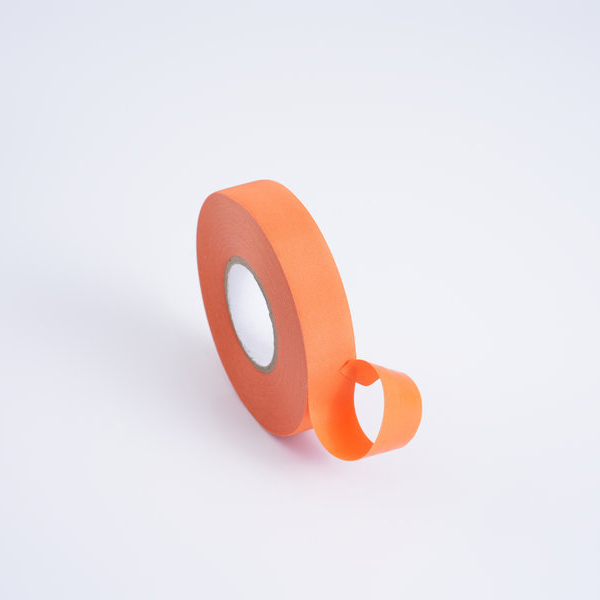 Will a Flame-Retardant Orange Fabric Wire Harness Tape Withstand 150 degrees Under the Hood Without Leaving Residue?
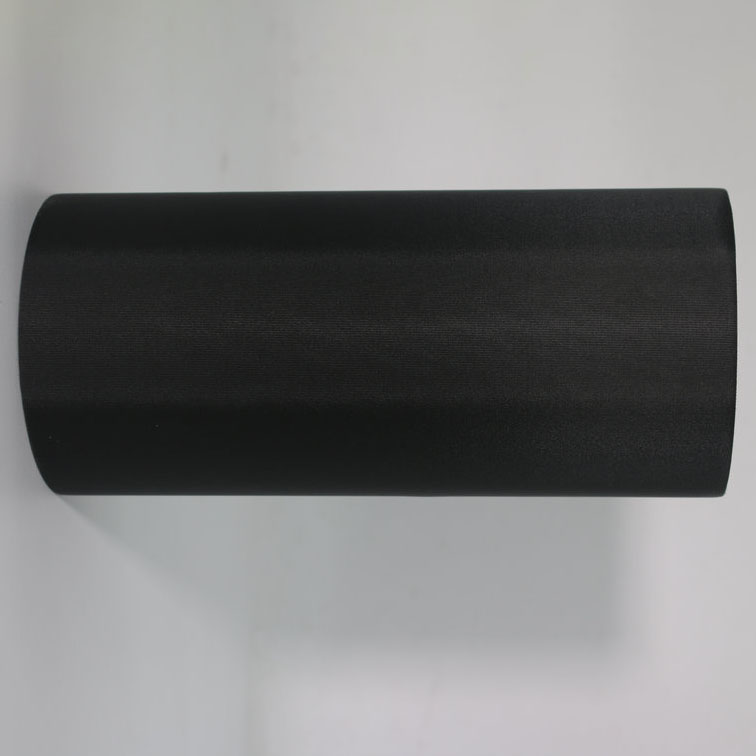 Can a Single Light-Blocking Tape Replace Multiple Shielding Layers in Display Assembly?
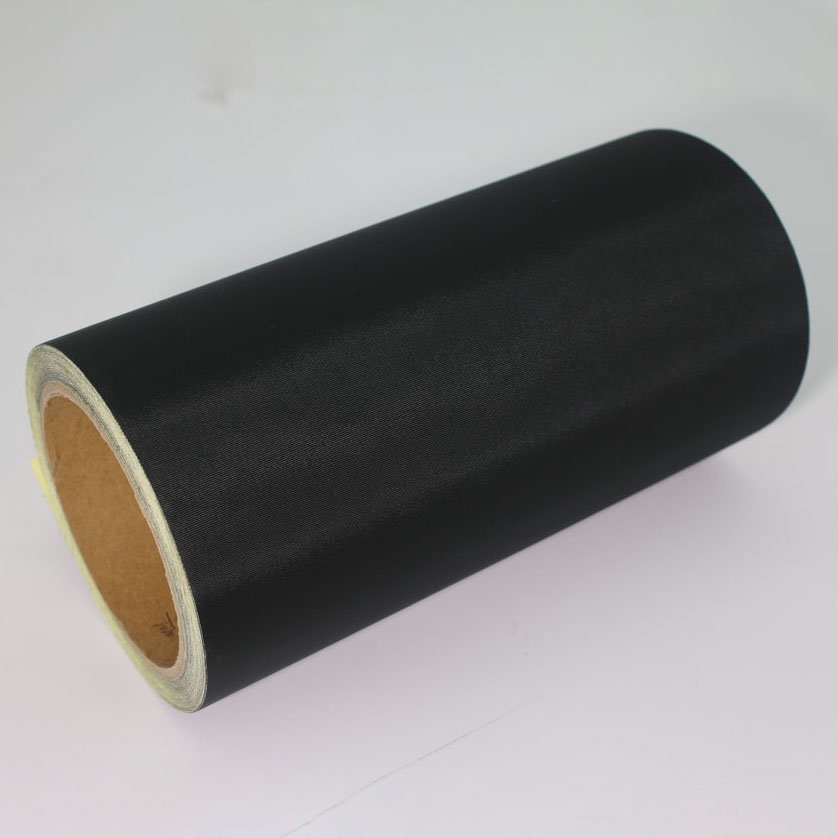 Can a 0.05mm Light Blocking Tape Really Deliver 99.9 percent Blackout for Sensitive Optics?
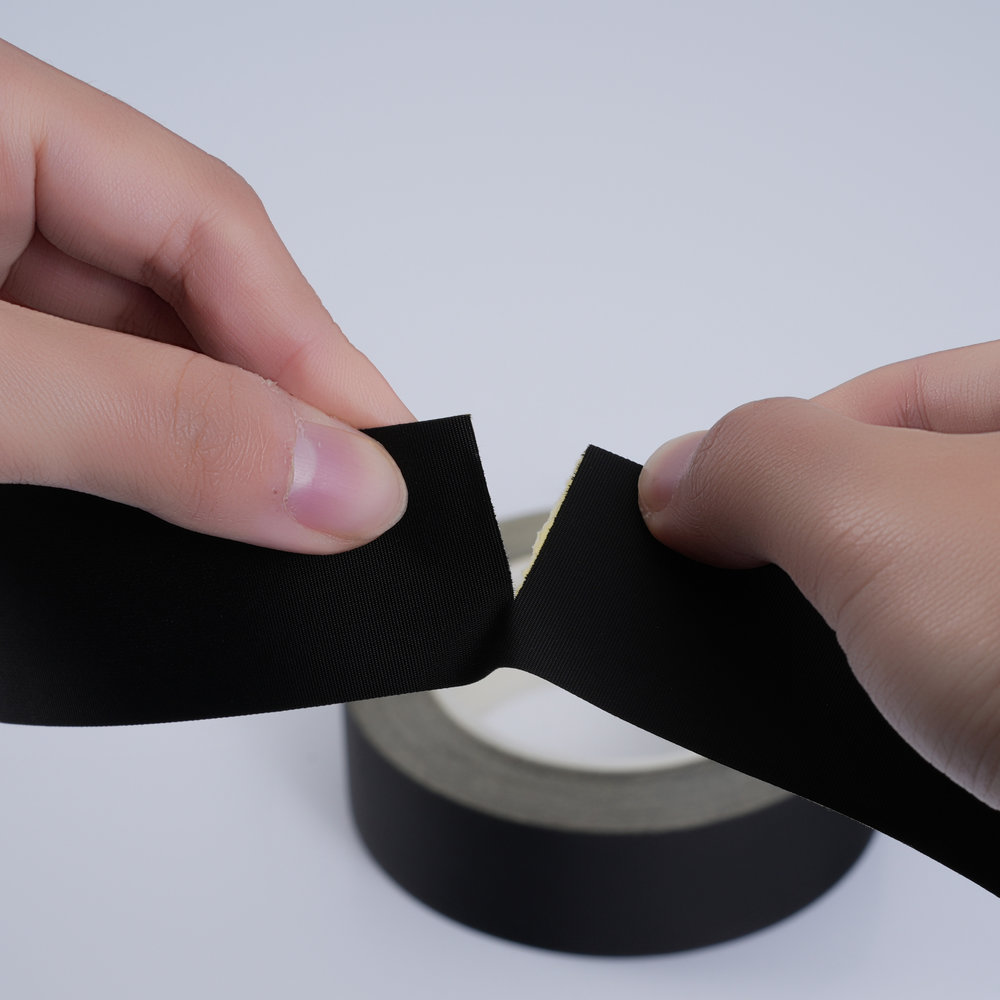 Is Acetate Cloth Tape the Ultimate Flame-Retardant Solution for Electrical Insulation?
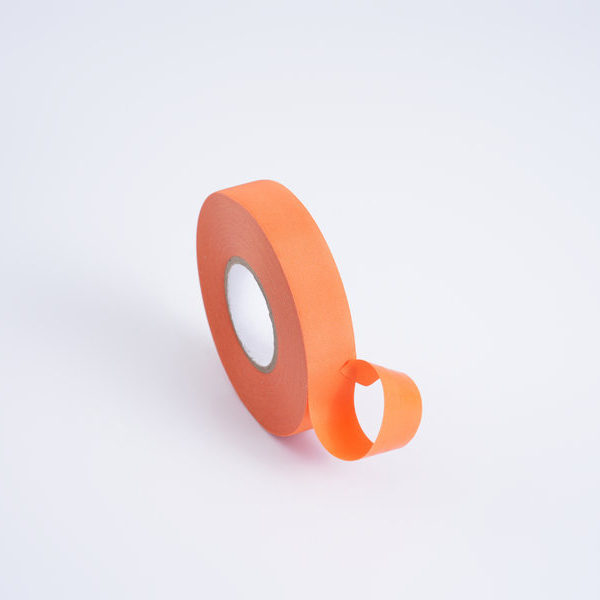 Why High-Temperature Orange Automotive Wire Harness Tape is the Smart Choice for High-Heat Engine Bays
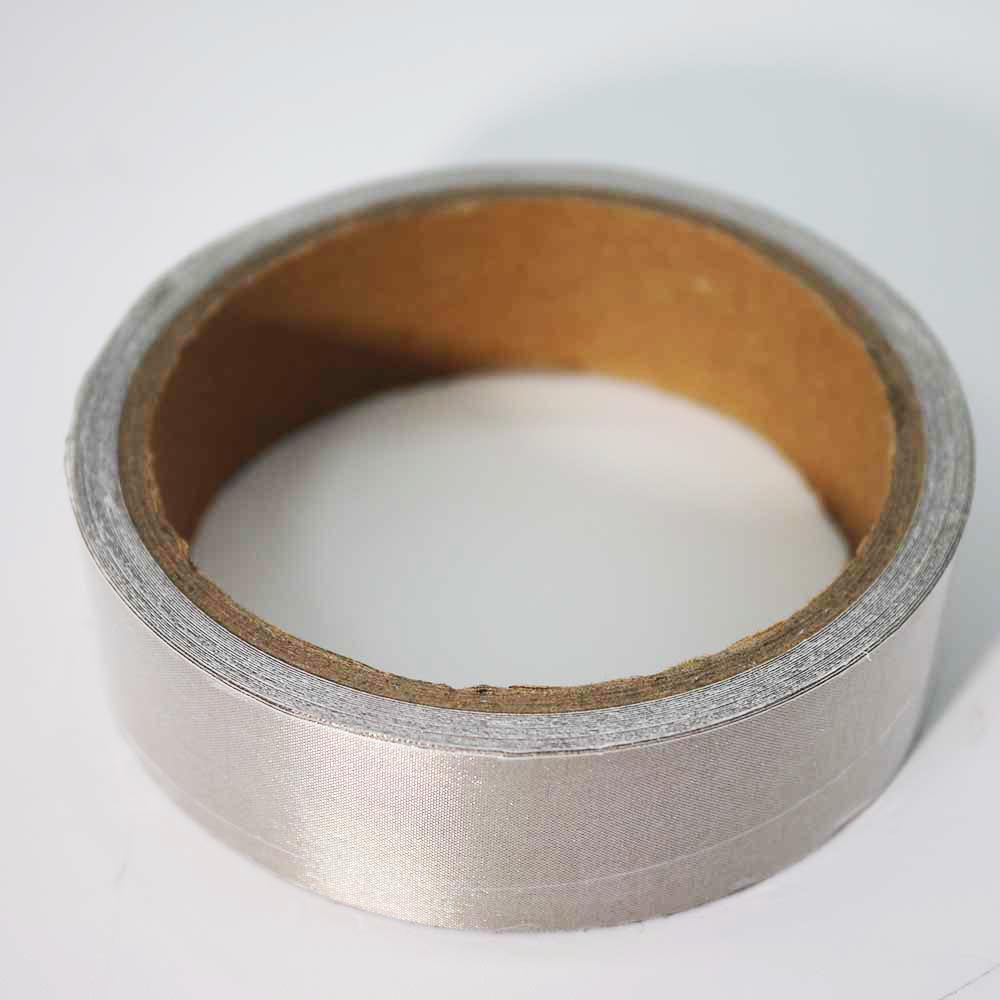 Can Double-Sided Conductive Fabric Tape Replace Traditional EMI Gaskets?
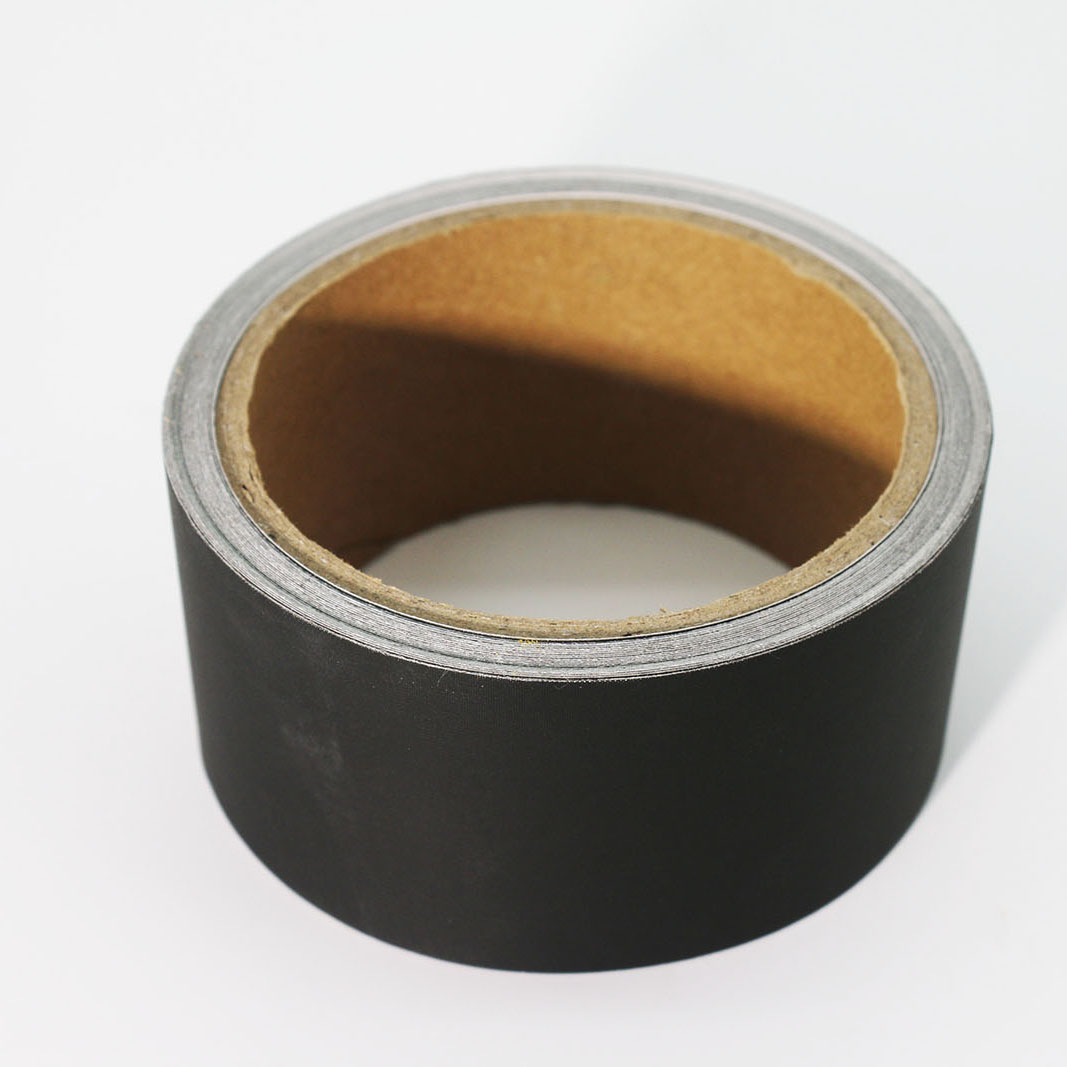 Why Black Conductive Fabric Tape is the Go-To for Light-Sensitive Electronics