
Why Low-Quality Electrical Tape Increases Long-Term Maintenance Costs
Electrical tape may look like a small, low-cost consumable item inside industrial cabinets. But in reality, choosing low-quality electrical tape can significantly increase long-term maintenance costs.
The purchase price difference between high-quality and low-quality tape is often minimal. However, the hidden costs caused by early failure, rework, and downtime can be substantial.
Let’s break down how low-grade electrical tape quietly drives up operational expenses.
1. Frequent Replacements Add Hidden Labor Costs
Low-quality electrical tape typically:
-
Loses adhesion faster
-
Hardens or cracks under heat
-
Unravels in vibration-prone areas
When tape fails, maintenance teams must:
-
Open control cabinets
-
Re-bundle wires
-
Clean adhesive residue
-
Reapply new tape
Even a 20-minute repair multiplied across dozens of panels becomes a major labor expense over time.
2. Downtime Is More Expensive Than Tape
In industrial environments, downtime costs far more than materials.
If tape failure leads to:
-
Loose wire bundles
-
Insulation exposure
-
Short circuits
-
Fault alarms
The resulting equipment shutdown may cost thousands per hour in lost production.
Choosing heat-resistant cloth electrical tape instead of low-grade PVC tape can significantly reduce these risks.
3. Adhesive Residue Increases Maintenance Complexity
Cheap electrical tape often uses lower-grade adhesive systems. Over time, these adhesives:
-
Soften under heat
-
Migrate onto wire insulation
-
Leave sticky residue
During maintenance, technicians must spend extra time cleaning wires before reinstallation. Residue can also attract dust, increasing contamination risk.
High-quality industrial cloth tapes are formulated for stable, low-residue aging, improving long-term serviceability.
4. Reduced Mechanical Stability Leads to Wiring Damage
Low-quality tape usually lacks mechanical strength.
In vibration environments, this can result in:
-
Wire bundle loosening
-
Cable rubbing against sharp edges
-
Stress on terminals
Over time, insulation wear or terminal stress may occur—leading to more serious and costly electrical repairs.
Stronger materials such as nylon cloth tape provide better reinforcement, preventing secondary damage.
5. Poor Appearance Affects Audit and Compliance Results
Industrial control cabinets are often inspected for:
-
Safety compliance
-
Manufacturing quality
-
Customer acceptance
Aged, discolored, peeling tape creates a poor visual impression and may raise questions about overall workmanship.
Investing in durable, heat-resistant electrical tape improves not only reliability but also professional presentation.
6. The Real Cost Equation
Let’s compare:
| Factor | Low-Quality Tape | High-Quality Industrial Tape |
|---|---|---|
| Initial Cost | Low | Slightly Higher |
| Replacement Frequency | High | Low |
| Labor Cost | Repeated | Reduced |
| Downtime Risk | Higher | Lower |
| Long-Term Cost | High | Lower |
Over the full lifecycle of industrial cabinets, higher-quality electrical tape almost always delivers better total cost efficiency.
Final Thoughts
Low-quality electrical tape may reduce upfront material expenses, but it increases:
-
Maintenance labor
-
Downtime risk
-
Rework frequency
-
Long-term operational costs
For industrial control panels and wiring systems, investing in reliable, heat-resistant cloth electrical tape is not a luxury—it’s a cost-control strategy.
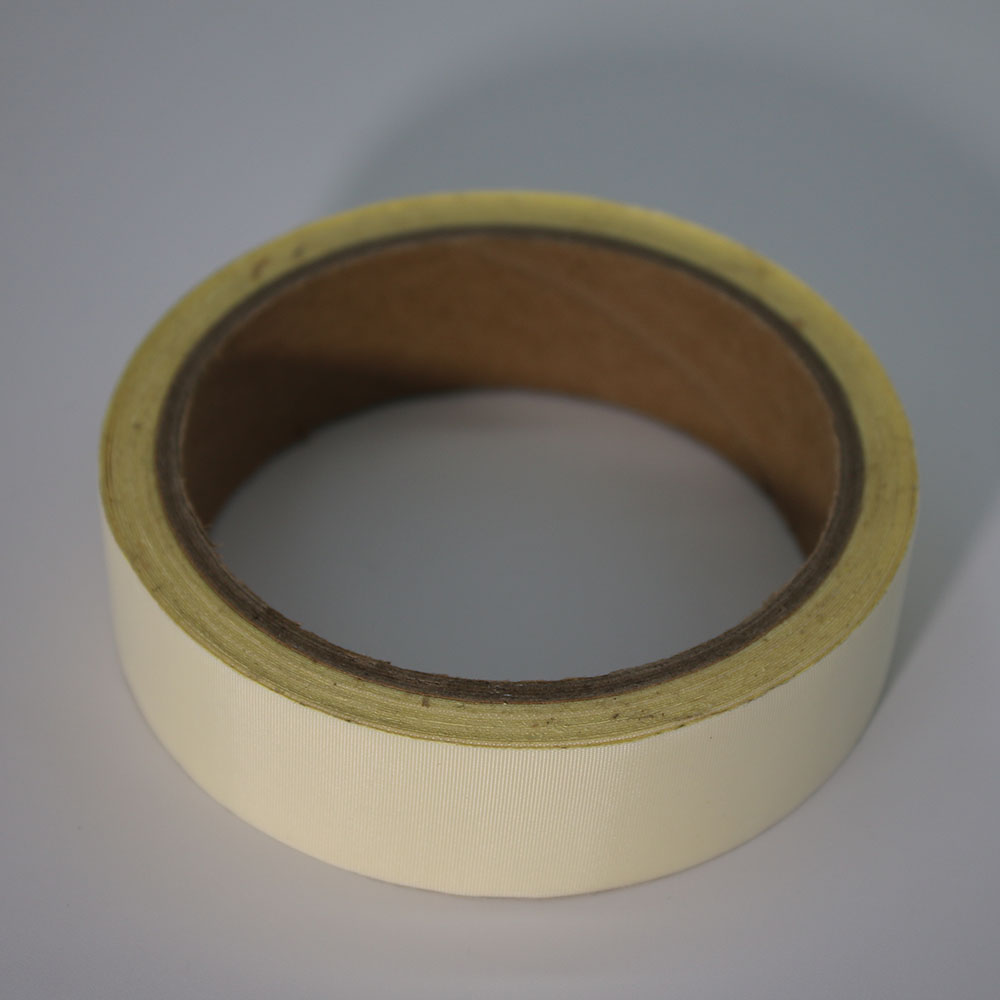 Can a Multi-Layer Nylon Cloth Tape with Optional Aluminum Foil Backing Really Bundle Hot-Engine Wiring and Absorb Minor Vibration in One Wrap
 Can a Laser Inkjet and Thermal Transfer Compatible Printable Adhesive Label Tape Really Survive Warehouse Scuffs and Freezer Storage While Staying Scannable
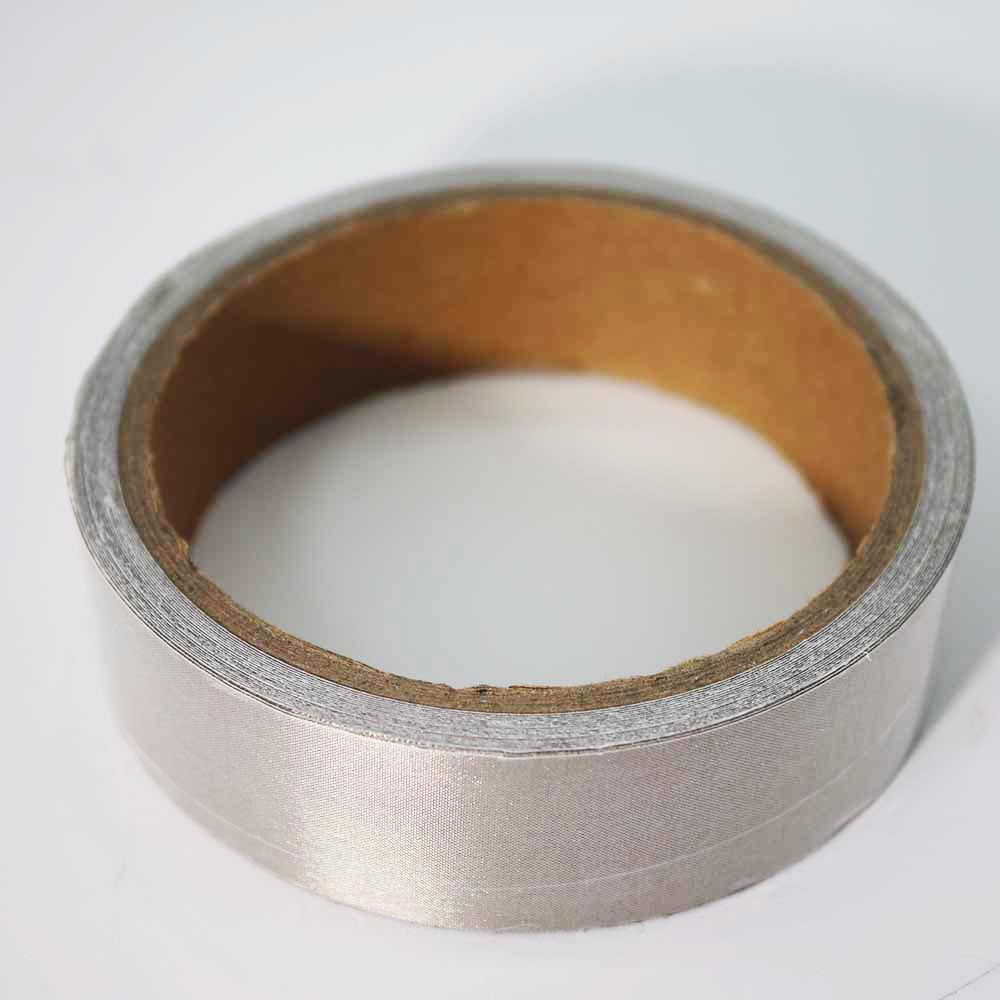 Does Double-Sided Conductive Fabric Tape Actually Replace Traditional EMI Gaskets in Compact Electronics?
 Will a Flame-Retardant Orange Fabric Wire Harness Tape Withstand 150 degrees Under the Hood Without Leaving Residue?
 Can a Single Light-Blocking Tape Replace Multiple Shielding Layers in Display Assembly?
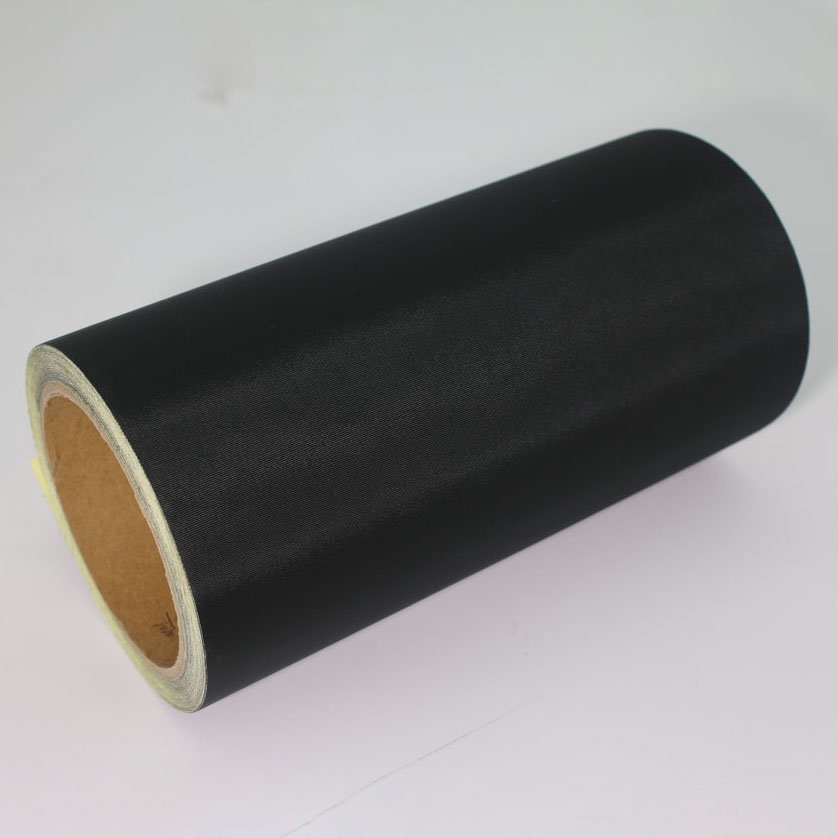 Can a 0.05mm Light Blocking Tape Really Deliver 99.9 percent Blackout for Sensitive Optics?
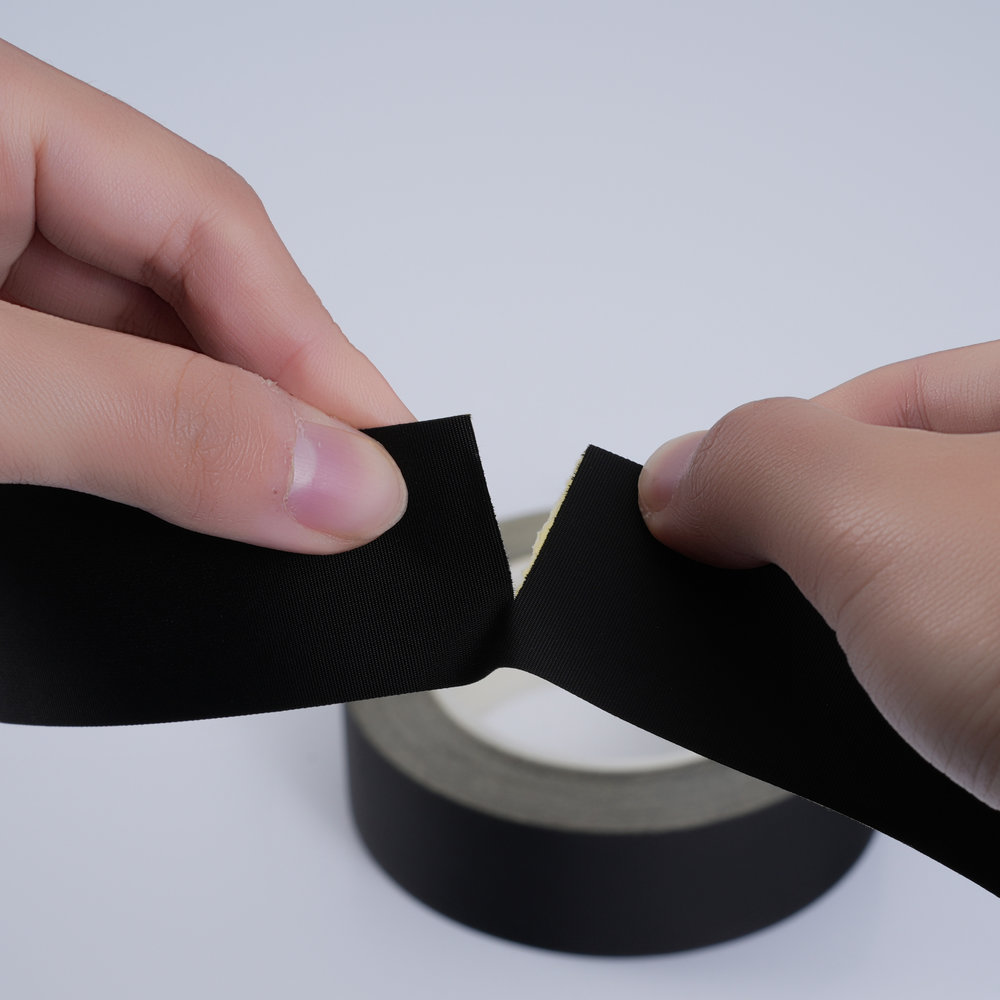 Is Acetate Cloth Tape the Ultimate Flame-Retardant Solution for Electrical Insulation?
 Why High-Temperature Orange Automotive Wire Harness Tape is the Smart Choice for High-Heat Engine Bays
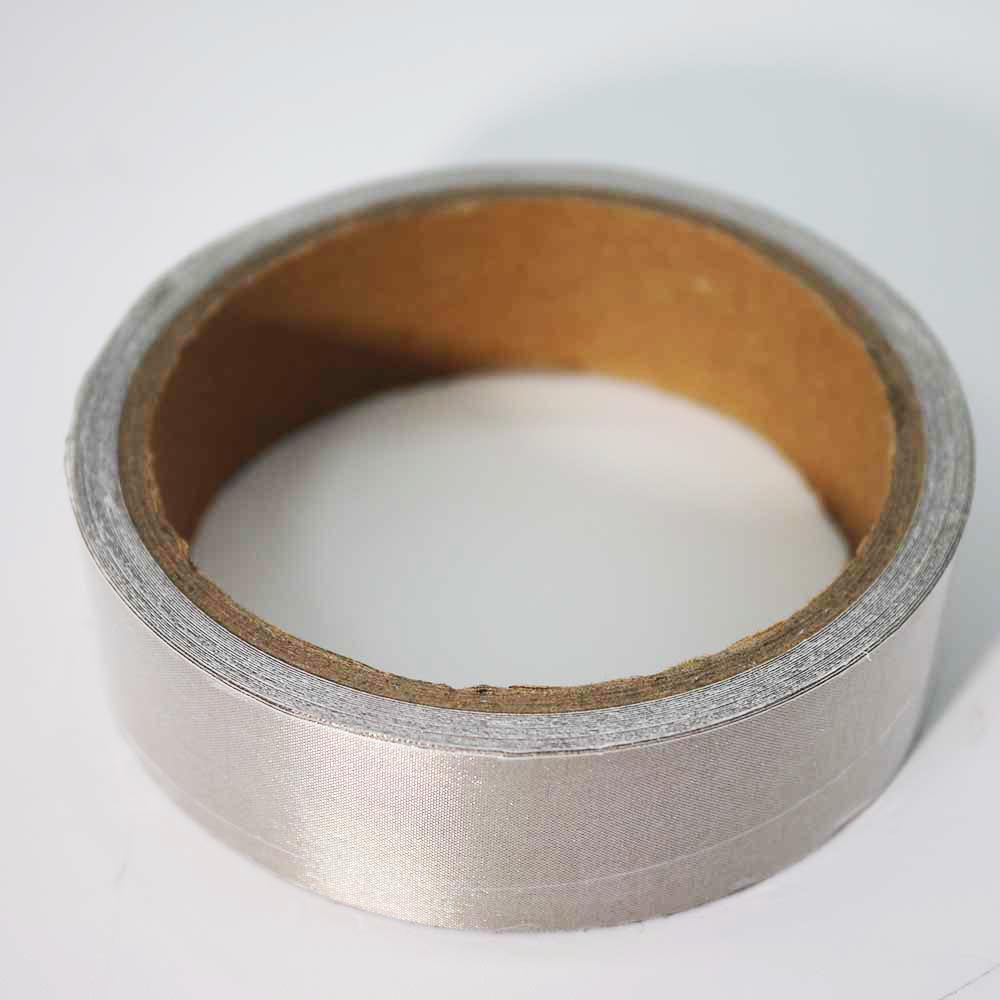 Can Double-Sided Conductive Fabric Tape Replace Traditional EMI Gaskets?
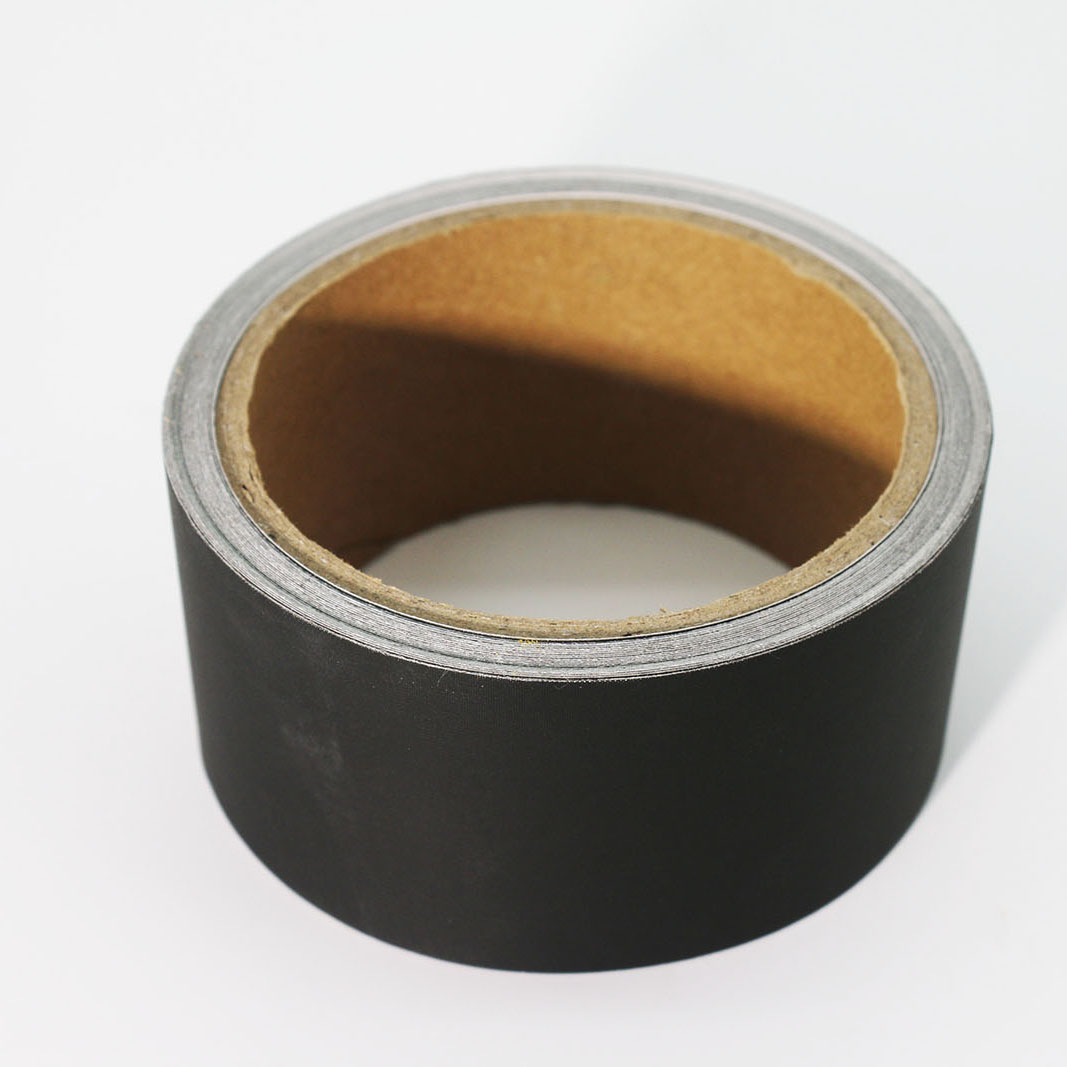 Why Black Conductive Fabric Tape is the Go-To for Light-Sensitive Electronics